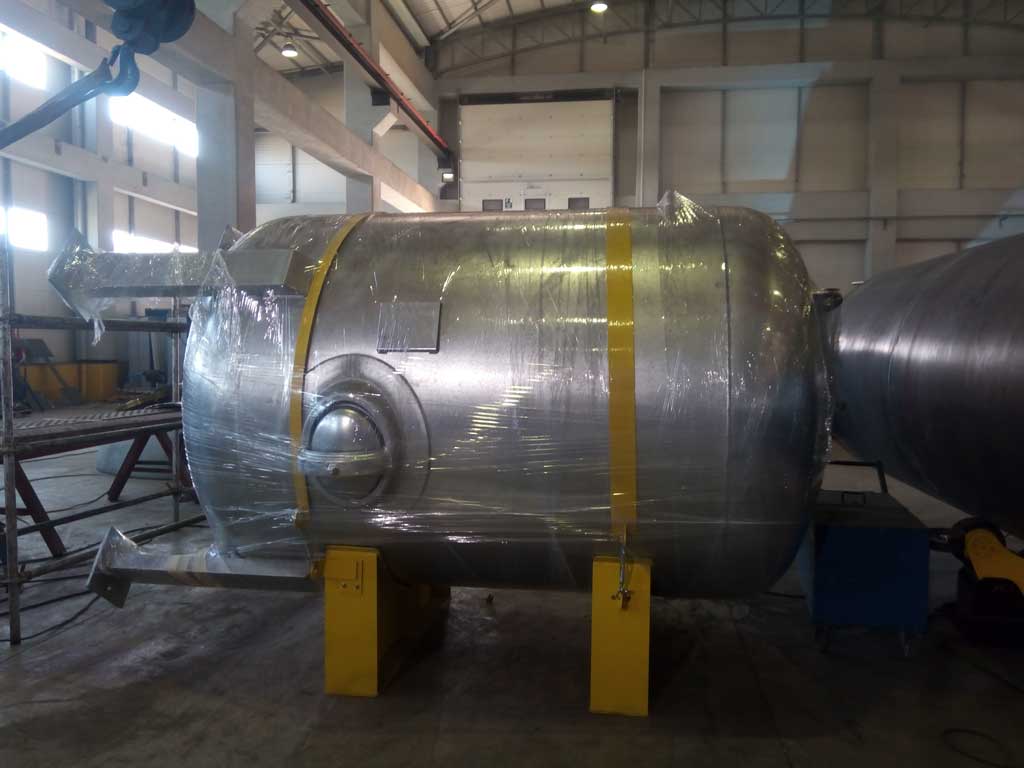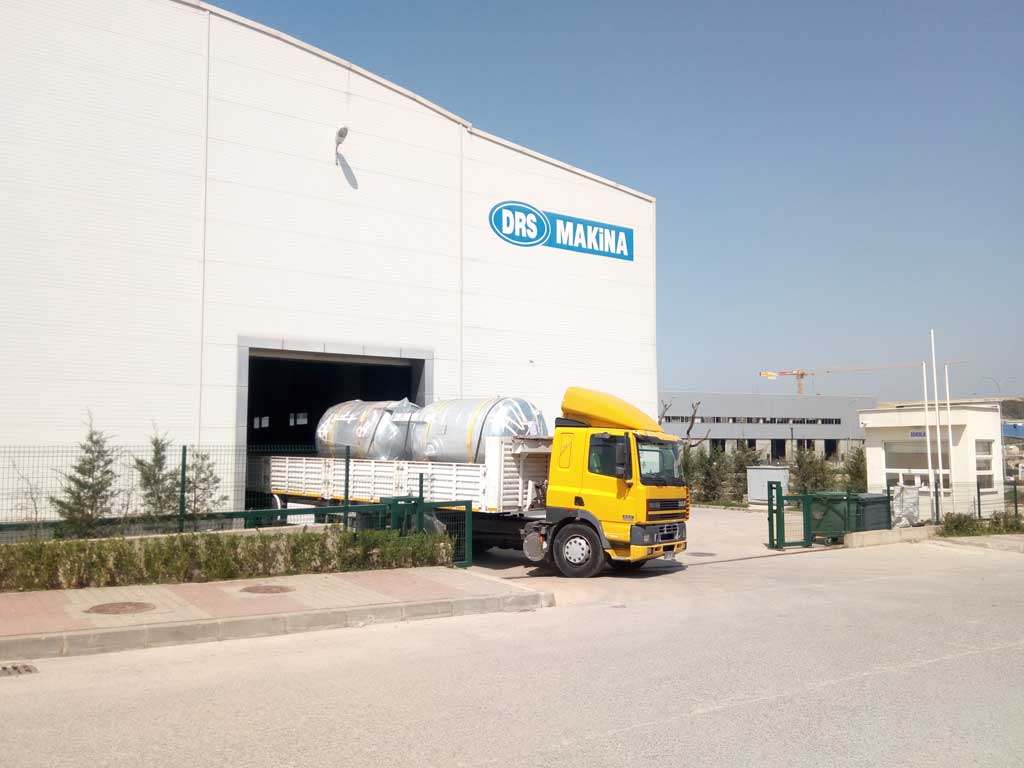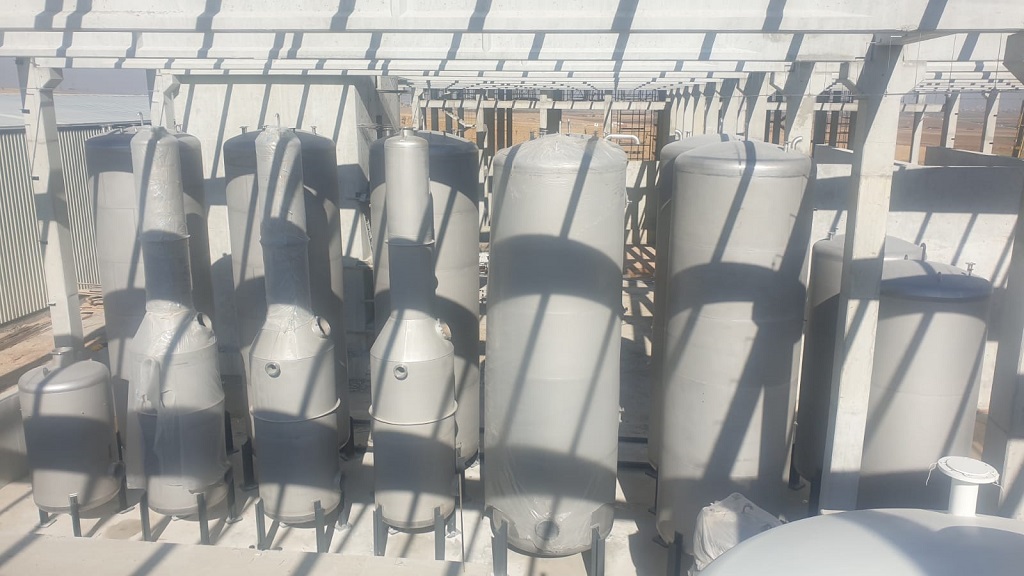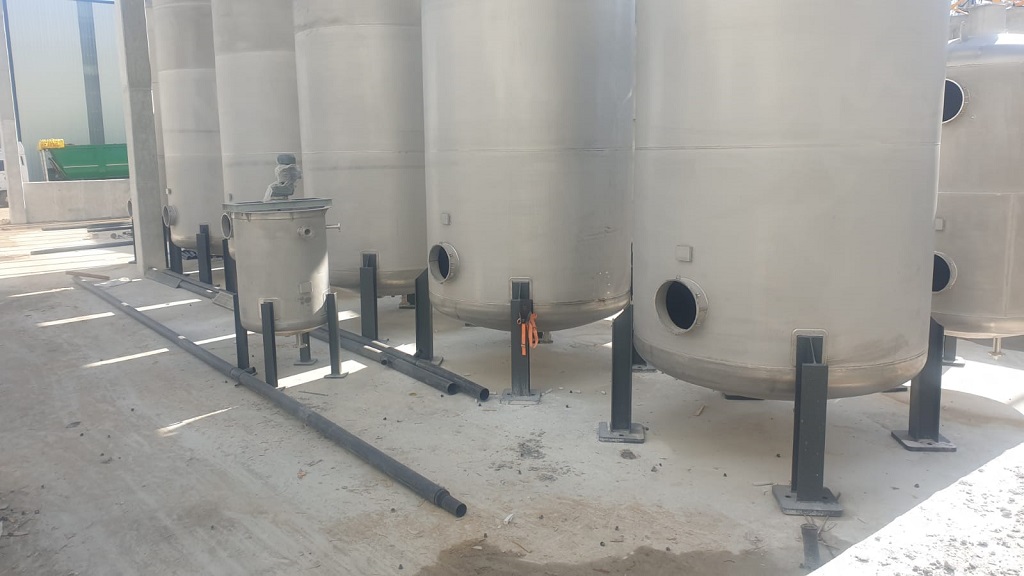


Pressure Vessel Fabrication
Maximum Safety and Engineering Precision Under High Pressure
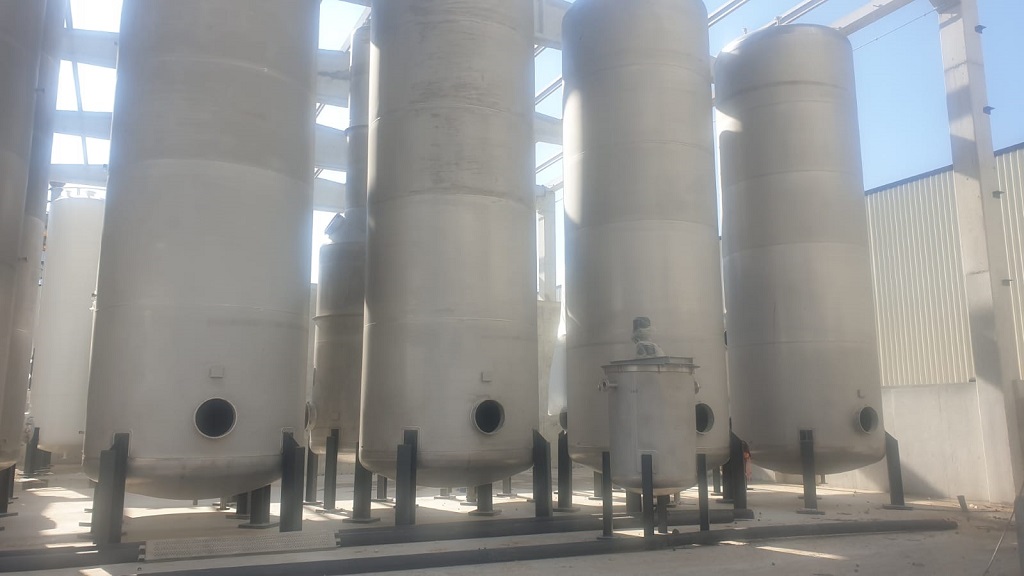
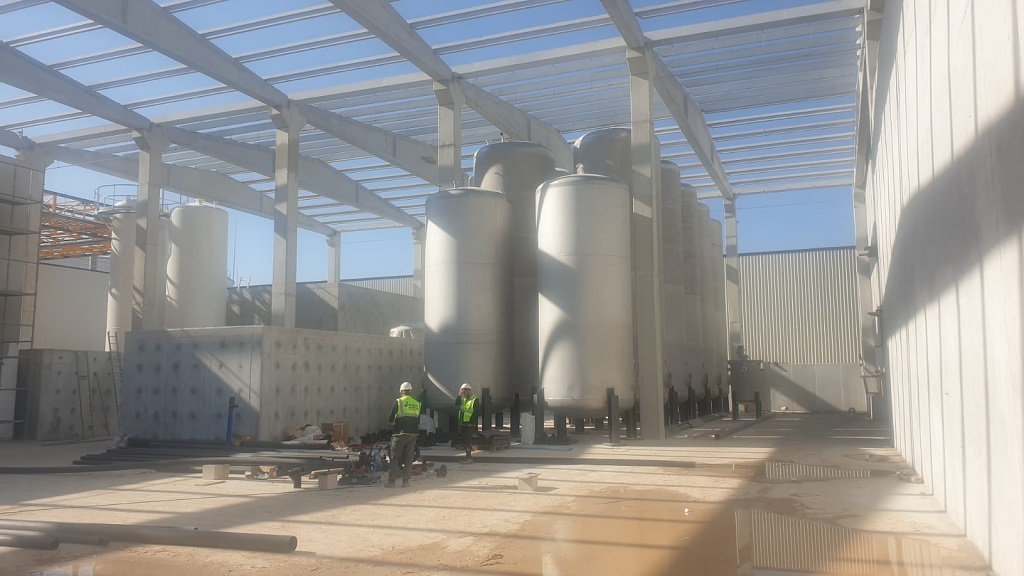
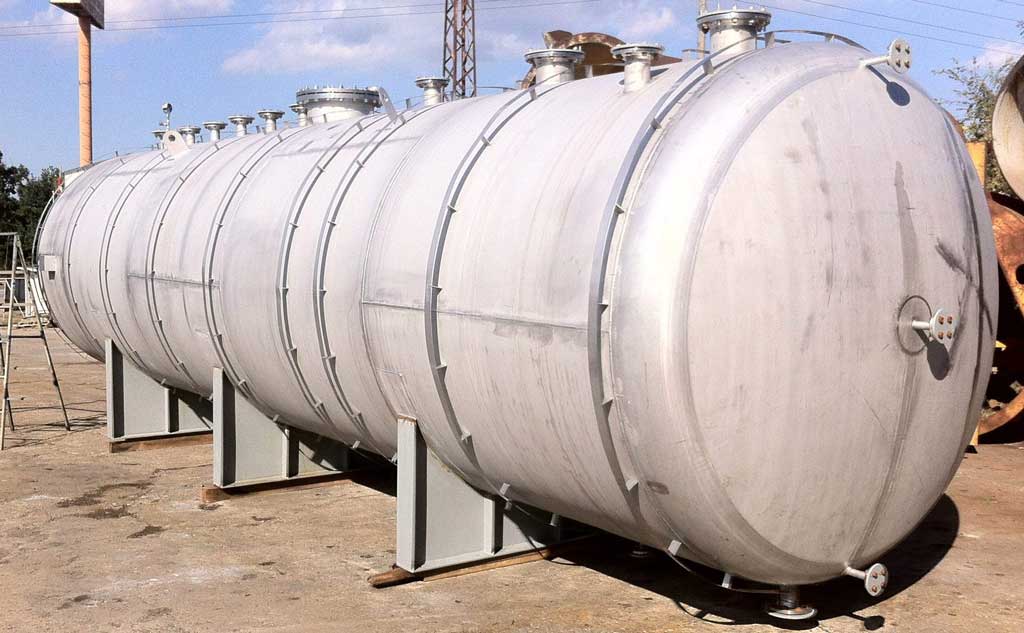
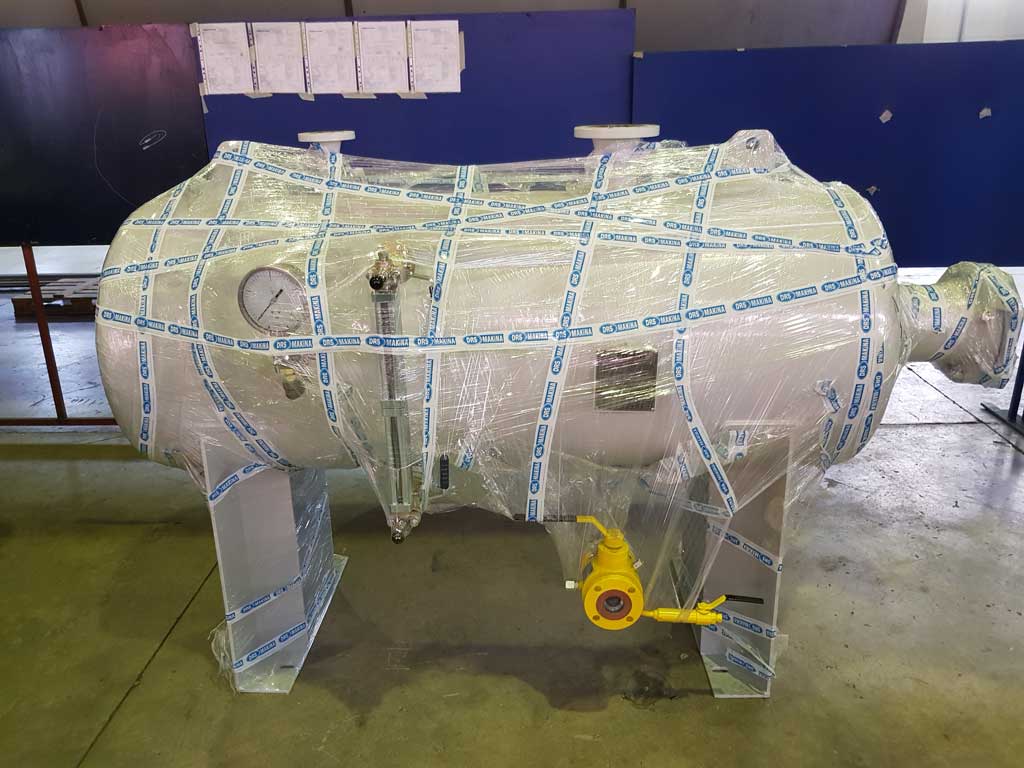
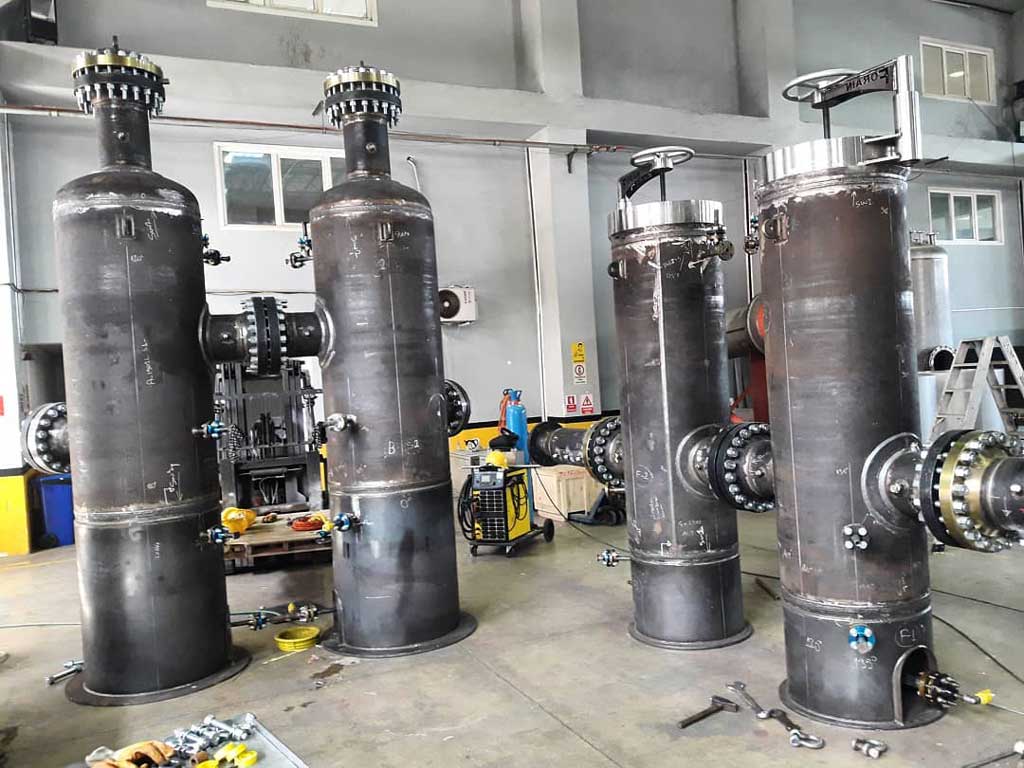
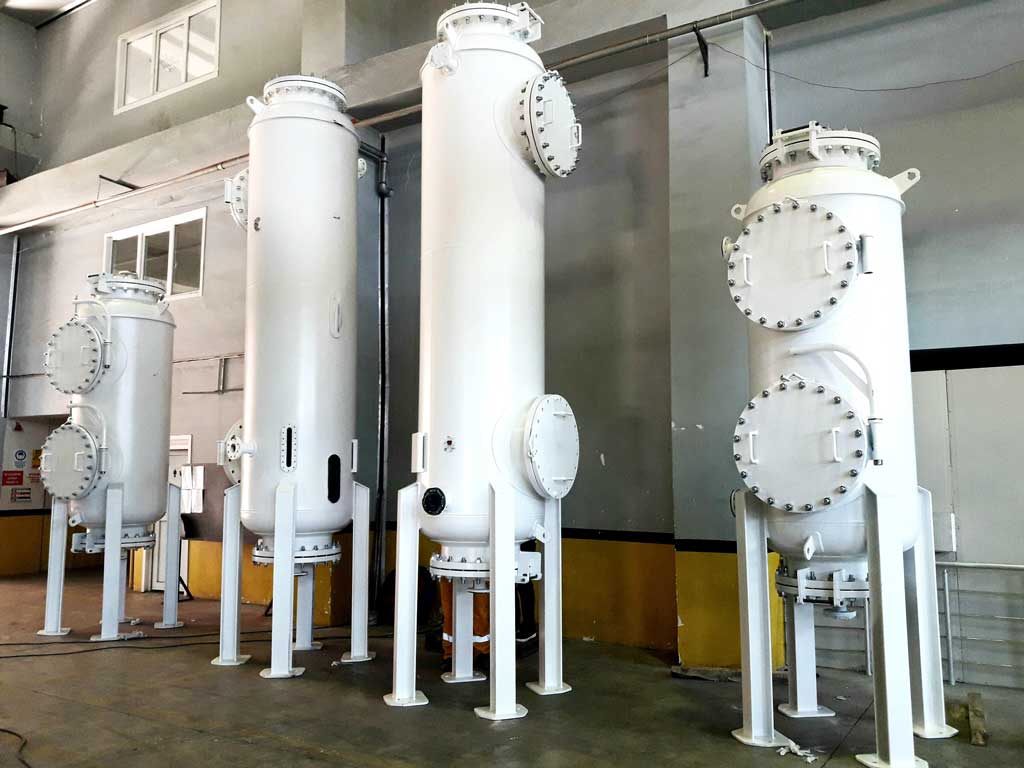
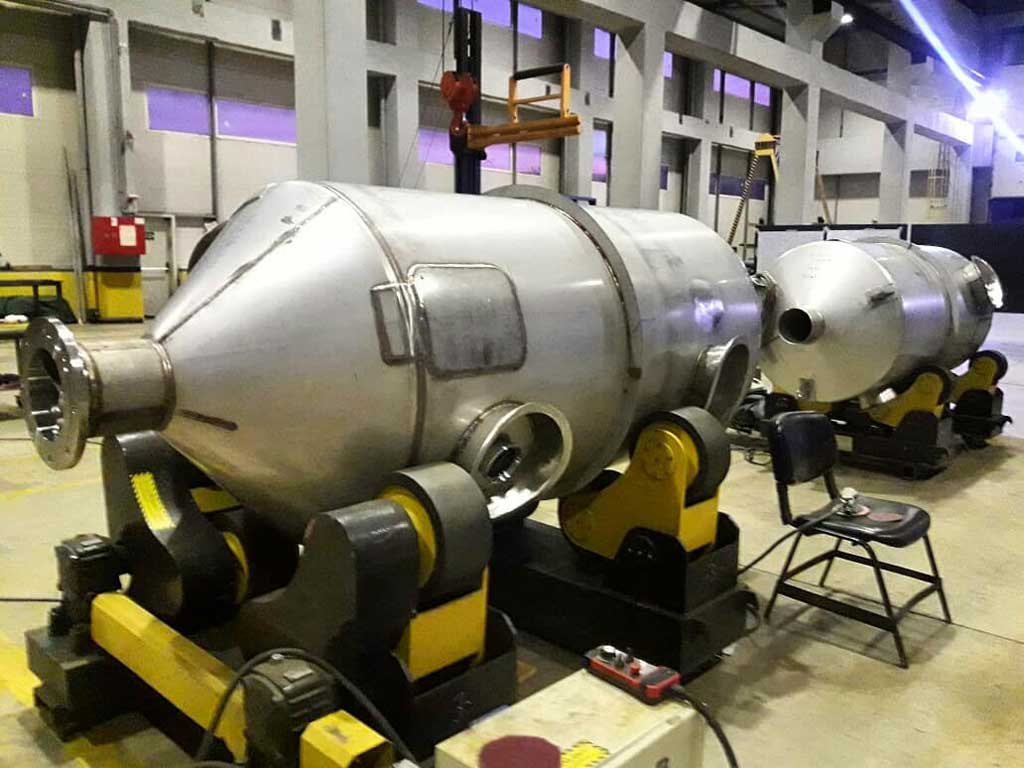
DRS Makina specializes in the fabrication of closed equipment subjected to internal or external pressure, utilized within the process lines of critical industries such as petrochemical, chemical, energy, food, and pharmaceuticals. As pressure vessels are high-risk equipment, absolute engineering precision and strict compliance with international safety standards (ASME Section VIII Div. 1/Div. 2, EN 13445, PED 2014/68/EU) are required from the design phase through to final testing. At DRS Makina, long-lasting solutions customized to the specific requirements of your project are provided, with a core focus on operational safety and efficiency.
Design and Design Verification at International Standards Each pressure vessel project is meticulously engineered based on the fluid to be stored, design pressure (PS), design temperature (TS), and corrosion allowance. In addition to advanced software such as SolidWorks and AutoCAD, the designs are computationally tested using Finite Element Analysis (FEA) and Design Verification methods for complex geometries and critical process conditions, ensuring absolute safety prior to manufacturing.
Certified Welding and Advanced Material Technology The integrity of pressure vessels highly depends on the quality of the materials utilized and the welding workmanship. Stainless steels with high corrosion resistance and mechanical properties, such as 304L, 316L, and 316Ti, as well as high-pressure boiler plates (P265GH, P355GH, etc.) and special alloy steels like Duplex, are utilized in our manufacturing processes. From plate rolling to Submerged Arc Welding (SAW) applications, all welding procedures are executed by certified welders in strict accordance with WPS (Welding Procedure Specification) and PQR (Procedure Qualification Record) documentation, certified under ASME and EN norms.
Comprehensive Testing and Quality Control Processes With the objective of “Zero Defects”, every stage of the fabrication process is inspected utilizing Non-Destructive Testing (NDT) methods:
- VT – Visual Testing: Inspection of weld seams and surface profiles.
- RT – Radiographic Testing or UT – Ultrasonic Testing: Inspection of internal weld integrity.
- PT – Penetrant Testing: Inspection of surface cracks.
- Hydrostatic Pressure Testing: Leakage and strength testing conducted at 1.5 times the design pressure upon completion of all fabrication.
All completely manufactured pressure vessels are delivered alongside a comprehensive Technical Dossier encompassing material certificates, welding documentation, test reports, and CE certification.