

Industrial field piping is one of the most critical infrastructure works that ensures uninterrupted production and process flow in heavy industrial plants. If an industrial plant is likened to the human body, the reactors and tanks are the organs, while the piping lines are the vessels that bring life to the entire system. The installation of these lines, which transport high pressure, extreme temperatures, and corrosive chemicals, requires zero-tolerance operation. In this article, the engineering dynamics and installation processes of piping networks, the lifelines of industrial plants, will be detailed.
The Function of Process Lines in Plants
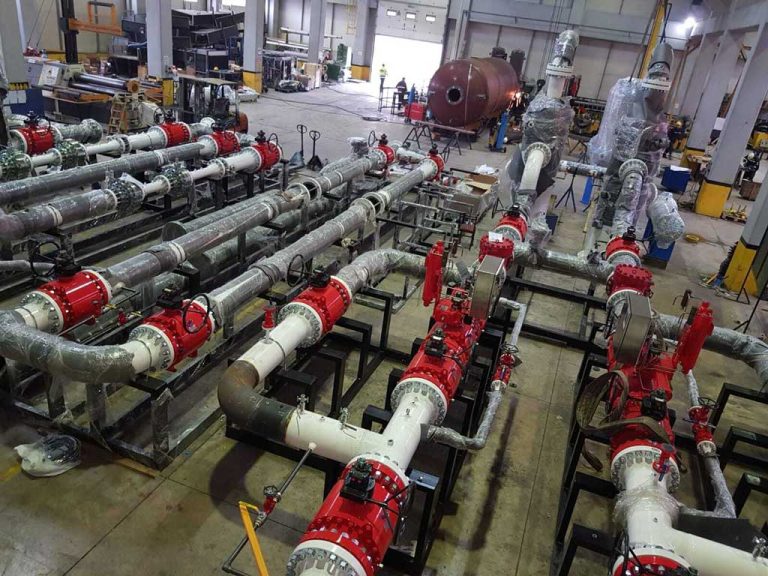
Systems that ensure the safe transfer of raw materials, water, steam, gas, and chemical fluids from one equipment to another in industrial plants are called process piping. The structural steel bridges and supporting frames that enable these pipes to be routed orderly and safely within the facility are referred to as “Pipe Racks.”
Pipe rack systems support hundreds of different lines on the same route without interference. Working in integration with valves, pumps, and instrumentation devices, these systems control fluid velocity, pressure, and flow direction.
Challenges Faced During Installation and Operation
Piping projects are the work items that require the most engineering revisions in the field. The fundamental challenges encountered by facilities during the installation and operational phases include:
- Sealing and Leakage Issues: Defective welding processes lead to hazardous chemical or steam leaks under high pressure.
- Thermal Expansion Cracks: Failure to calculate elongation and contraction due to temperature variations causes mechanical ruptures in the piping.
- Vibration and Fatigue: High vibration occurring at compressor or pump outlets loosens pipe supports and flanges over time.
- Corrosion and Insulation Loss: The use of piping materials that are incompatible with the fluid causes internal degradation of the system.
These issues lead not only to production losses but also pave the way for severe environmental and occupational safety disasters.
Engineering Solutions in Piping Projects
Strict compliance with international codes (such as ASME B31.1, B31.3, etc.) is mandatory for the safe operation of complex piping networks in the field. The entire process from design to field testing must be managed with rigorous engineering discipline.
Isometric Drawings and Thermal Expansion Analysis
Flawless pipeline construction begins during the isometric drawing stage. The routing of the pipes, valve positions, and slope angles are determined using 3D design software. The most critical step at this stage is performing the “Stress Analysis.”
The amount of expansion the pipeline will undergo when heated is calculated. Expansion joints and custom sliding supports (pipe supports) are integrated into the system to tolerate this expansion.
NDT Inspection and Welding Quality
In field piping, durability is the sole measure of quality. Carbon steel, stainless steel (304L, 316L), or alloy pipes are selected based on the pressure and chemical composition of the fluid. Every completed weld is examined using NDT inspection (Non-Destructive Testing) methods.
The primary quality control steps implemented in industrial piping projects are as follows:
- Radiographic (X-Ray) testing to inspect internal weld quality.
- Ultrasonic testing for wall thickness measurement.
- Hydrostatic pressure testing for sealing verification.
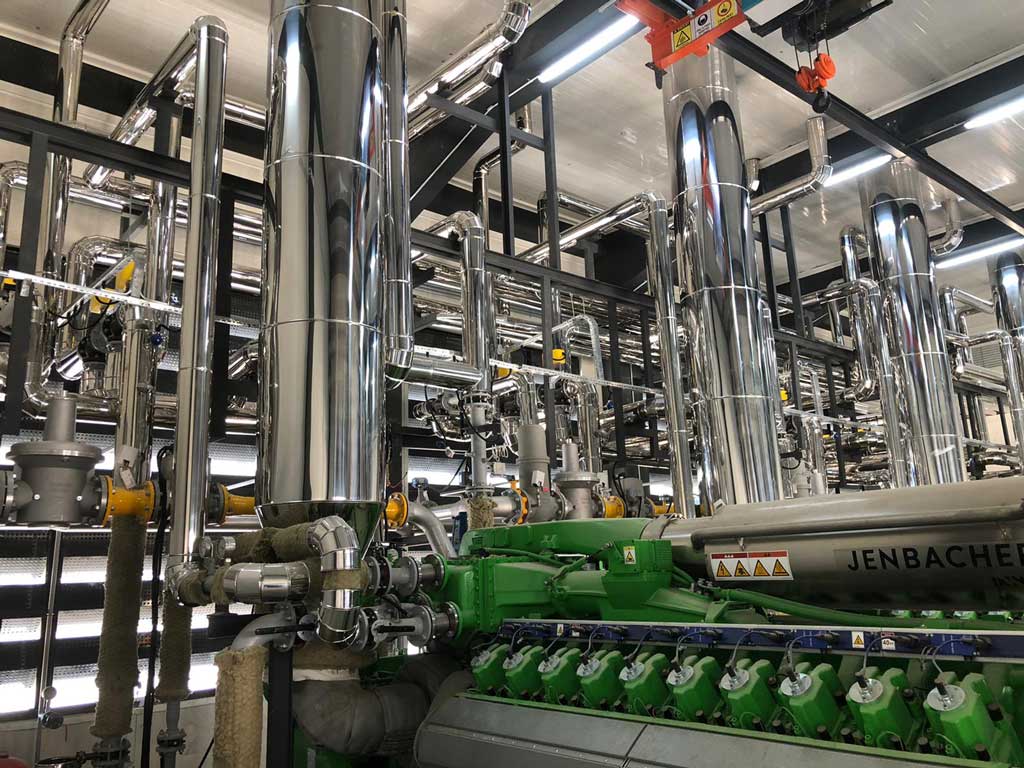
- Insulating the lines with rock wool or ceramic wool to prevent thermal losses.
Our Field Piping Approach as DRS Makina
Our company possesses deep expertise in pipe rack installation and complex process piping on heavy industrial construction sites. For your projects, our Field Services department translates your P&ID diagrams into reality with zero defects on-site. Our certified (EN and ASME approved) argon and TIG welders operate under the principle of “zero leakage,” even under the most demanding site conditions.
To further reduce installation times at your facility, portions of the piping networks can be pre-fabricated modularly at our plant. We detailed our expertise in this area in our previous blog post, Modular Process Solutions with Industrial Skid Fabrication. We commission your projects on schedule through both shop-fabricated spool production and our Piping Services site erection teams.
Conclusion
Industrial field piping networks must be flawless to guarantee the safe and efficient operation of your facility. Proper material selection, millimetric alignment, stress analysis, and certified welded fabrication workmanship are the sole factors determining the lifespan of pipelines. Partnering with a competent EPC (Engineering, Procurement, and Construction) firm experienced in heavy industry for the installation of pipe rack systems and process lines is the greatest assurance of your investment.
You may visit our services page to review our complete range of capabilities.
Frequently Asked Questions (FAQ)
1. What is the exact purpose of Pipe Rack systems? Pipe racks are structural steel configurations erected to safely route main process pipelines, power cables, and instrument lines overhead within a facility. They optimize space and offer ease of maintenance.
2. What does “Spool Fabrication” mean in piping projects? A spool refers to piping sections prefabricated and flanged in a controlled workshop environment according to engineering drawings, rather than being welded entirely on-site. This significantly minimizes field installation time and enhances welding quality.
3. Why is NDT (Non-Destructive Testing) mandatory for pipelines? The detection of internal, non-visible welding defects is only possible through non-destructive tests such as X-Ray or ultrasonic testing. In pipelines operating under high pressure, even a microscopic capillary defect can eventually cause a catastrophic failure, making NDT mandatory.
4. How is thermal expansion accommodated in piping systems? Restricting thermal expansion is practically impossible. Therefore, systems are engineered with expansion loops (U-bends/omegas), steel expansion joints, or sliding supports that allow the piping to expand and contract dynamically.