

Equipment Fabrication
Industrial Cooling Water Manifold and Skid Fabrication
About the Project
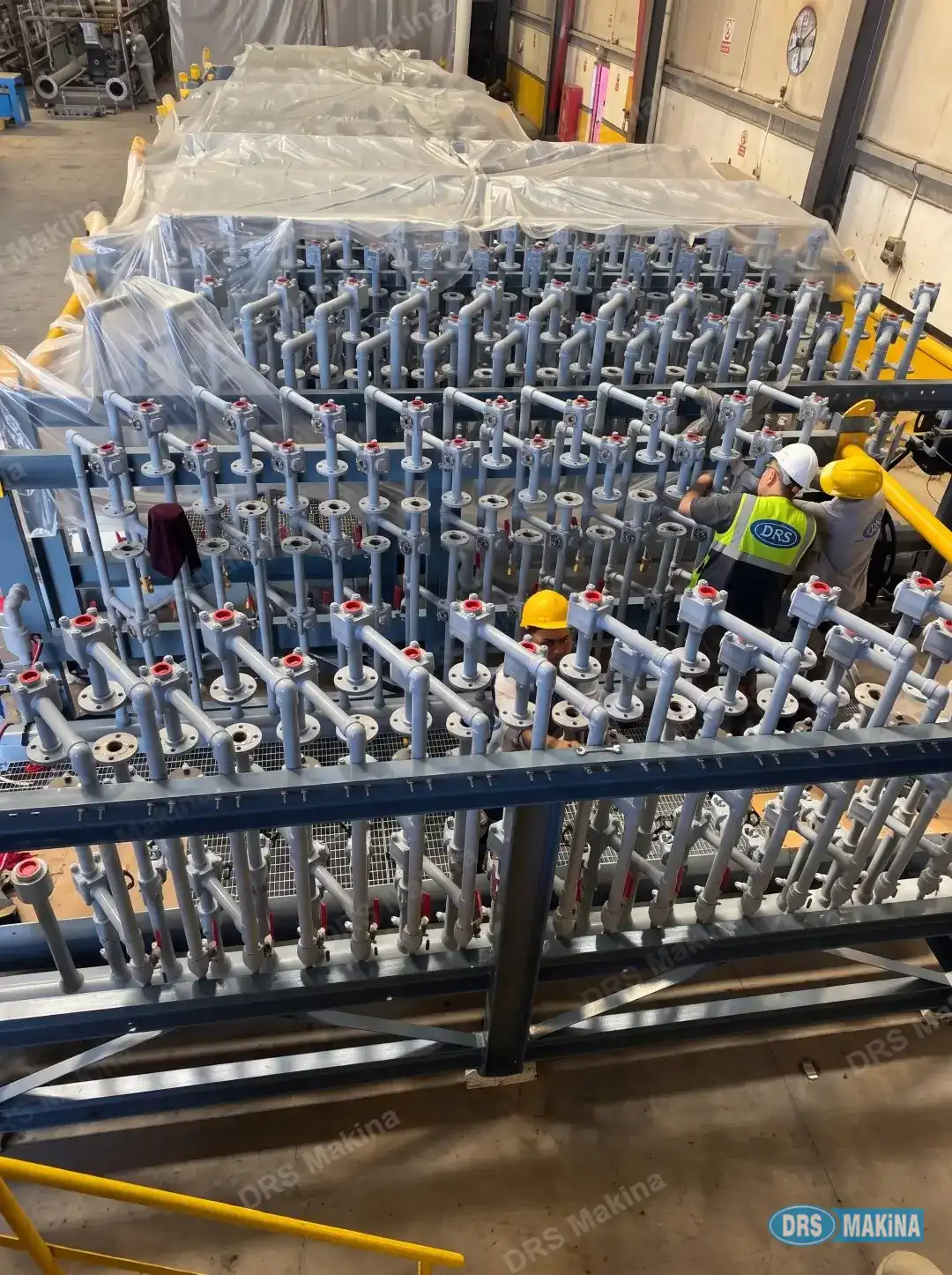
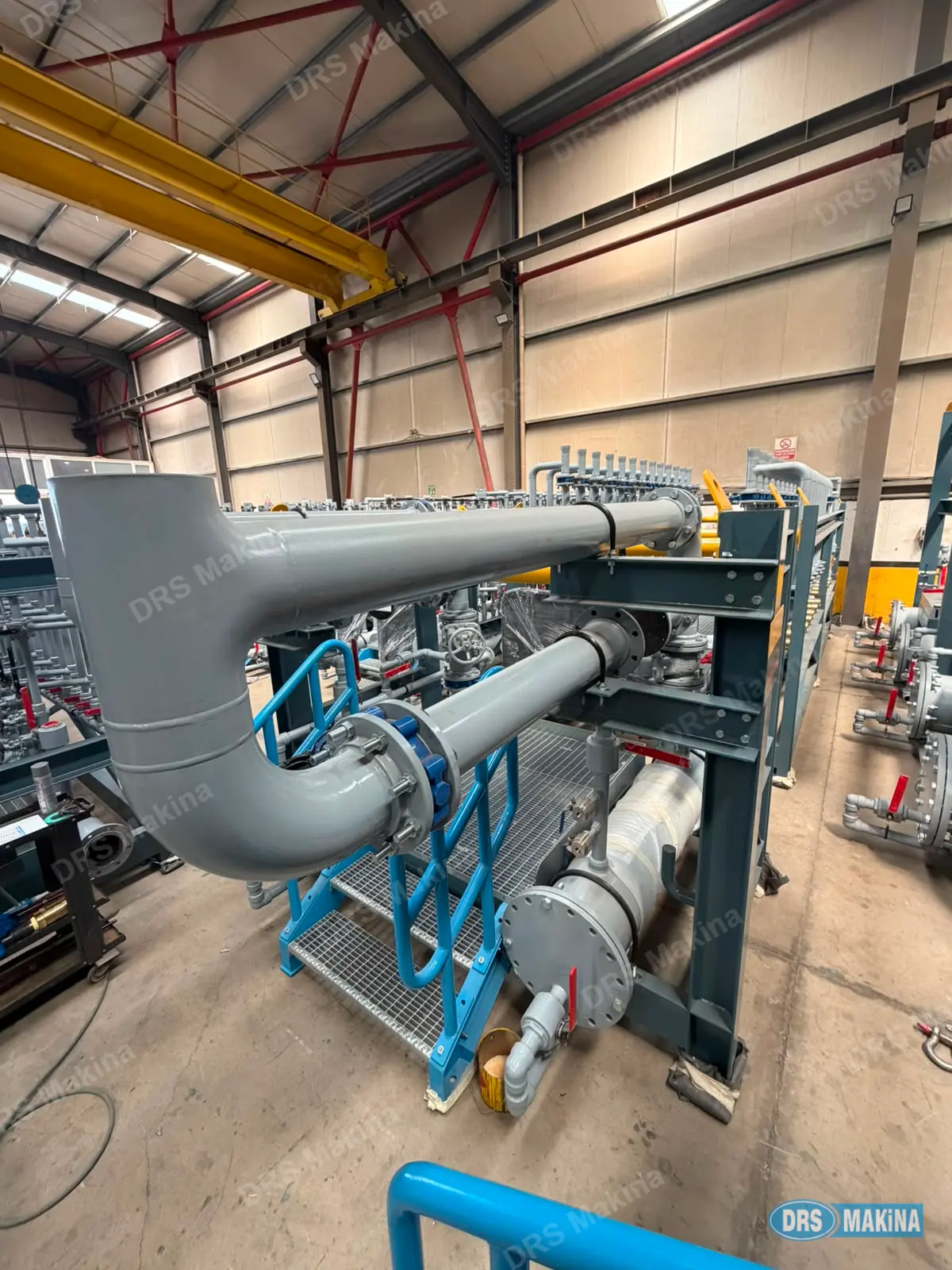
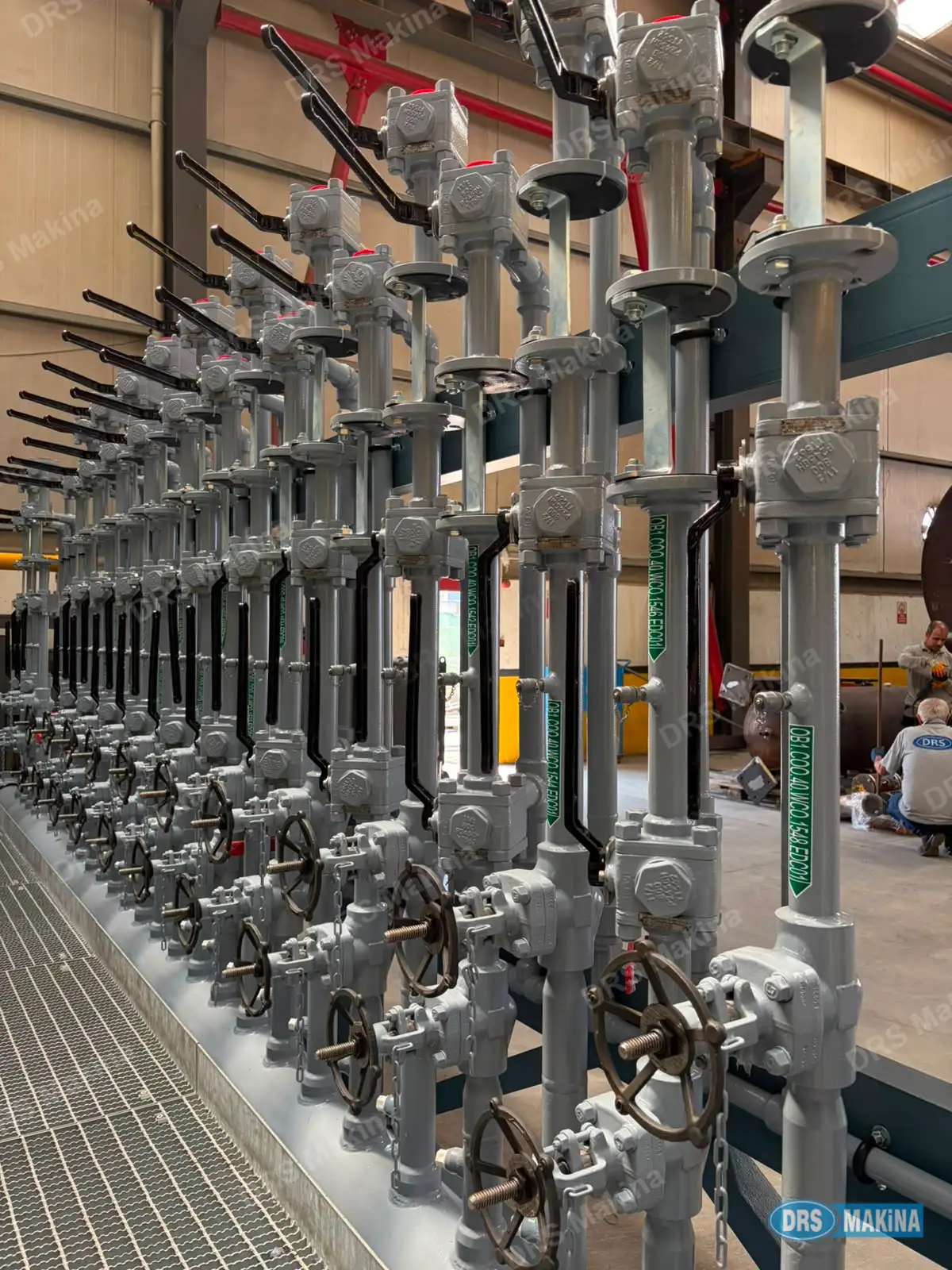
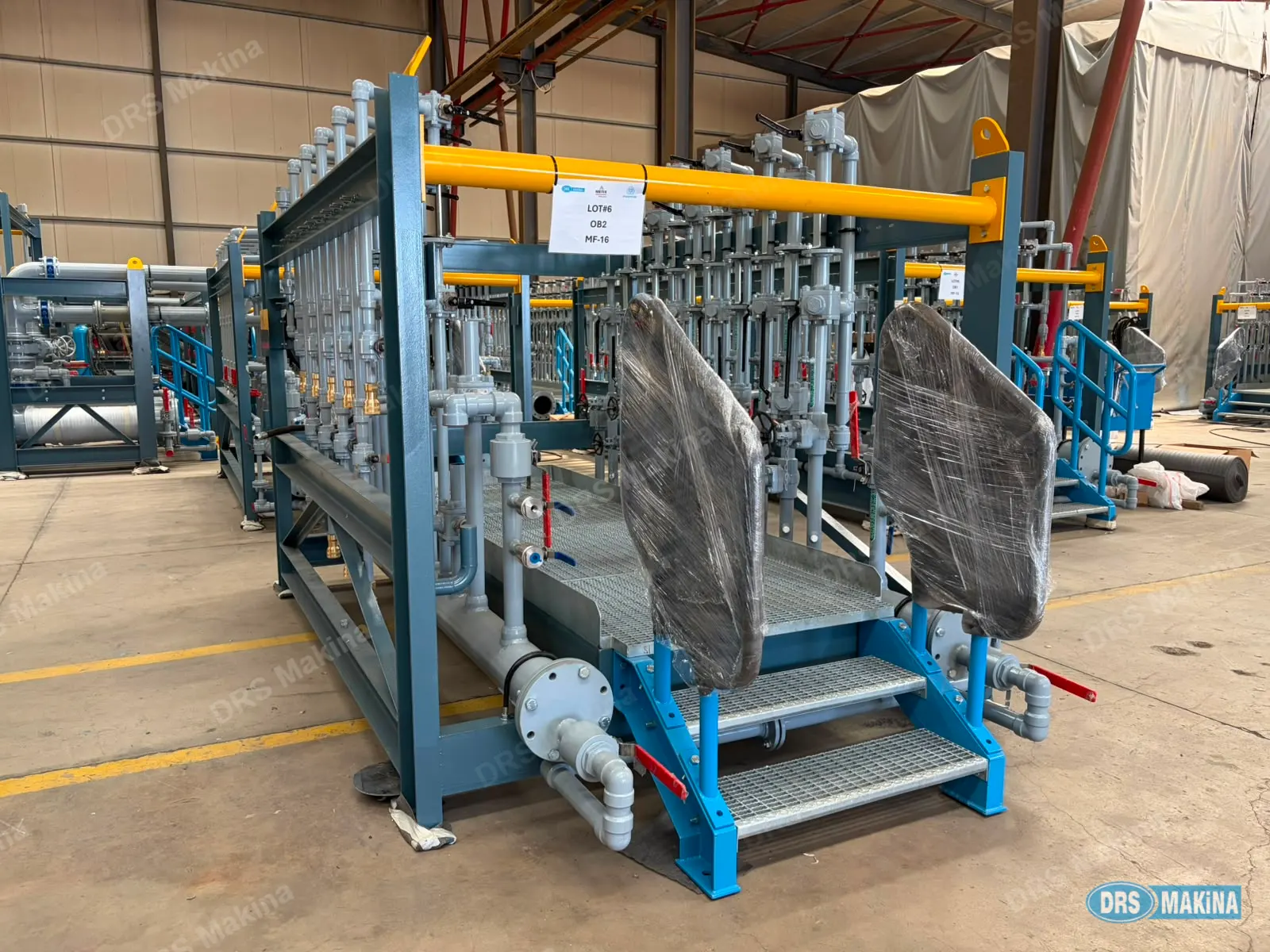
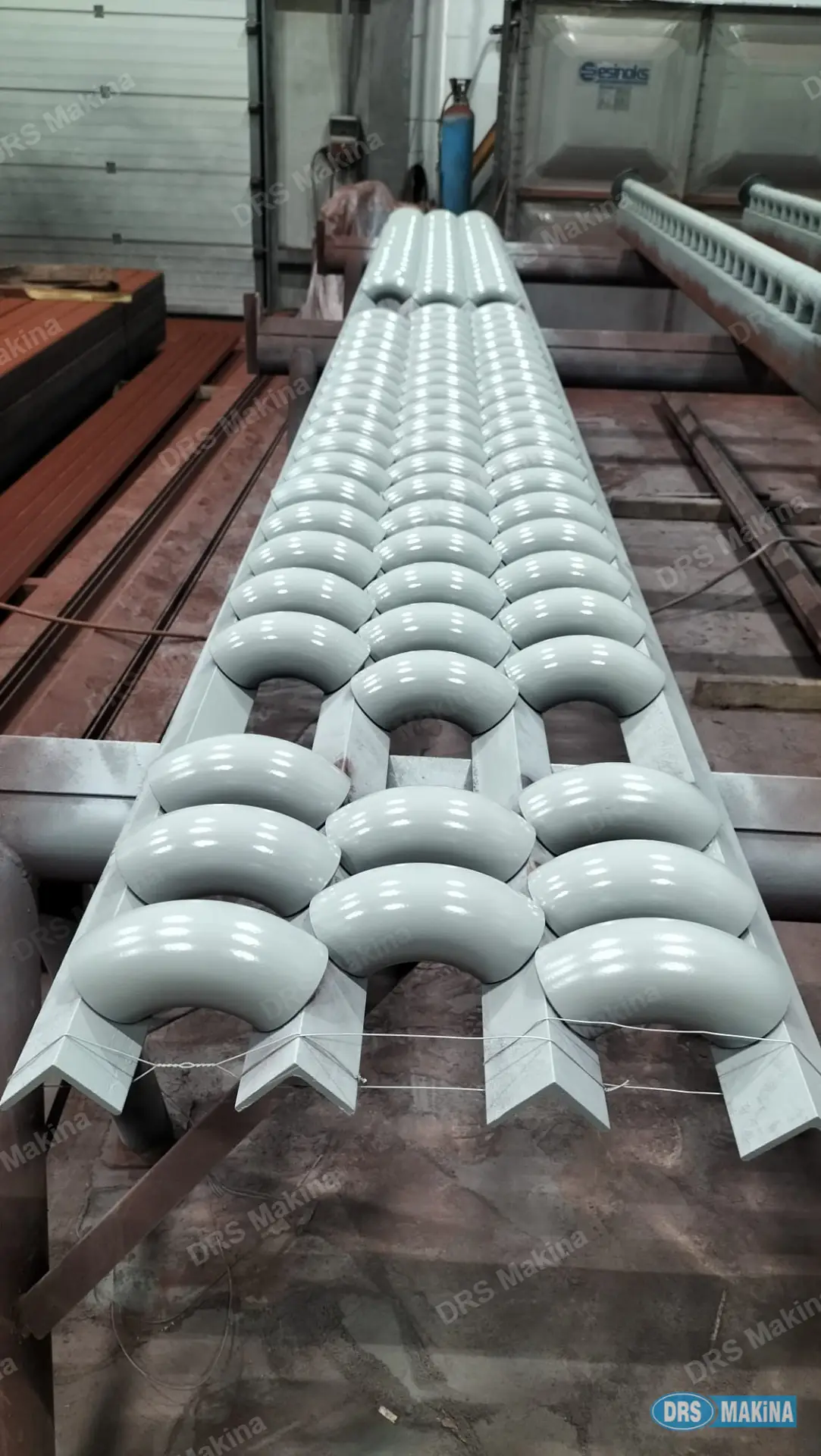
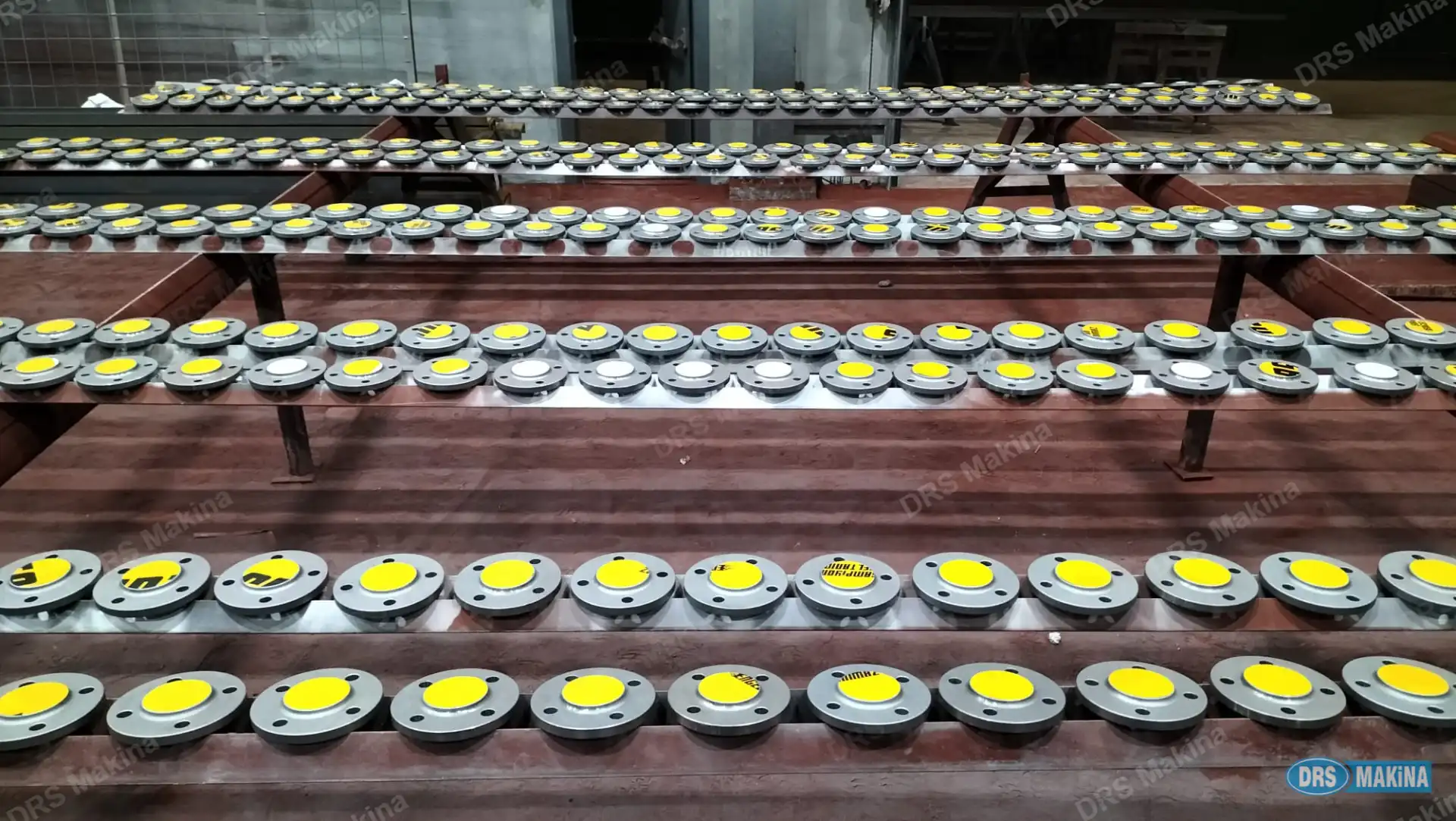
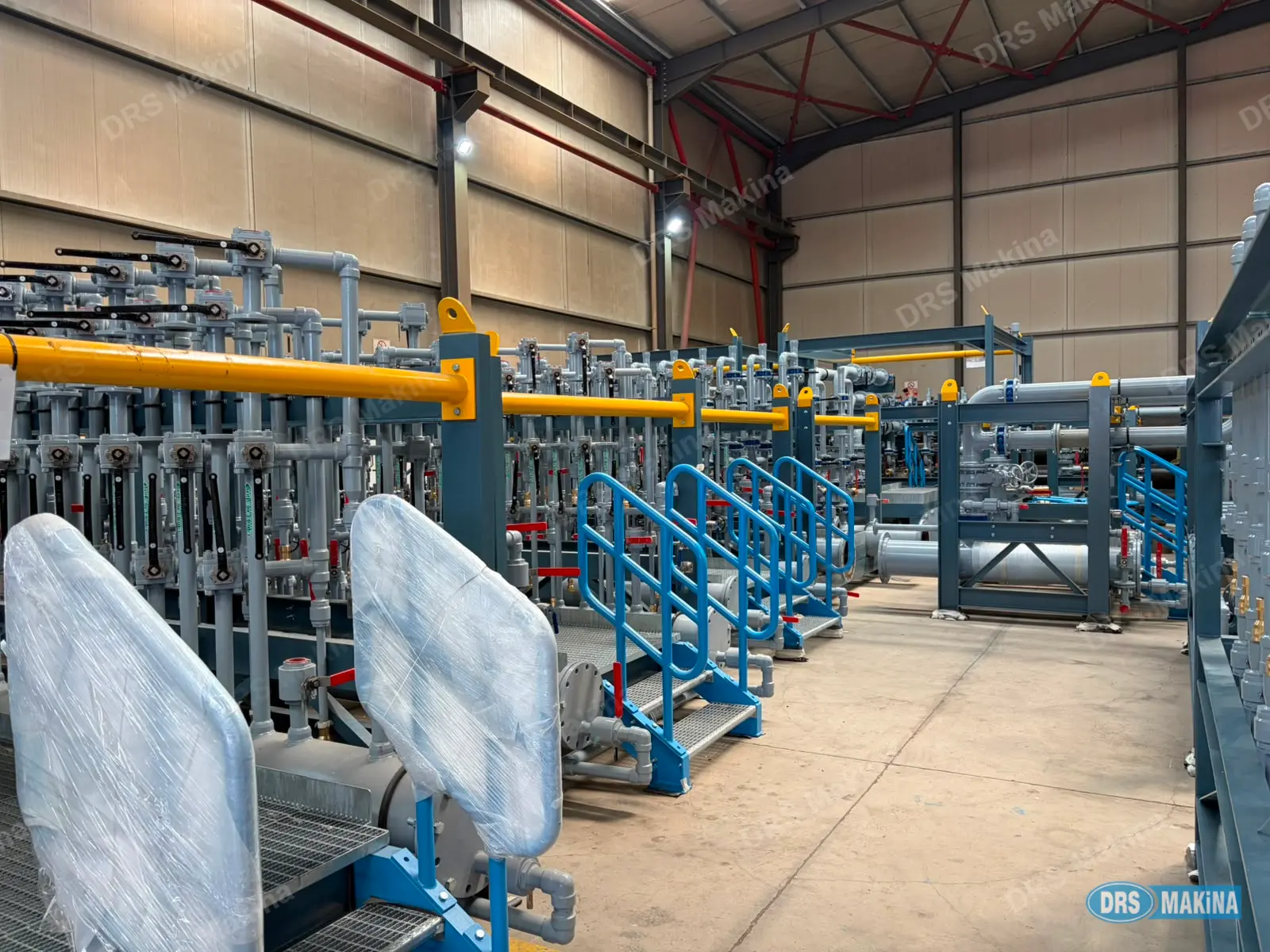
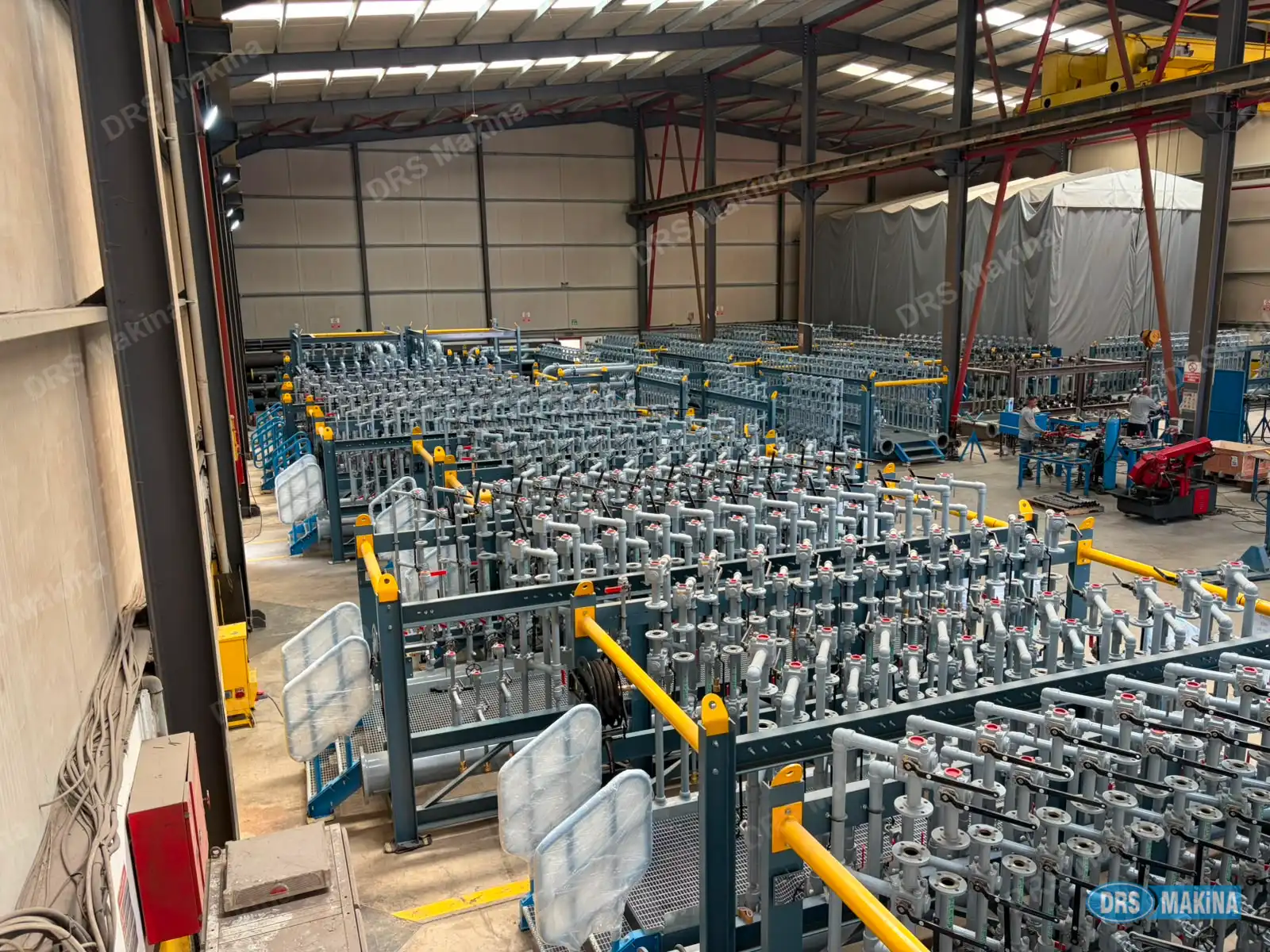
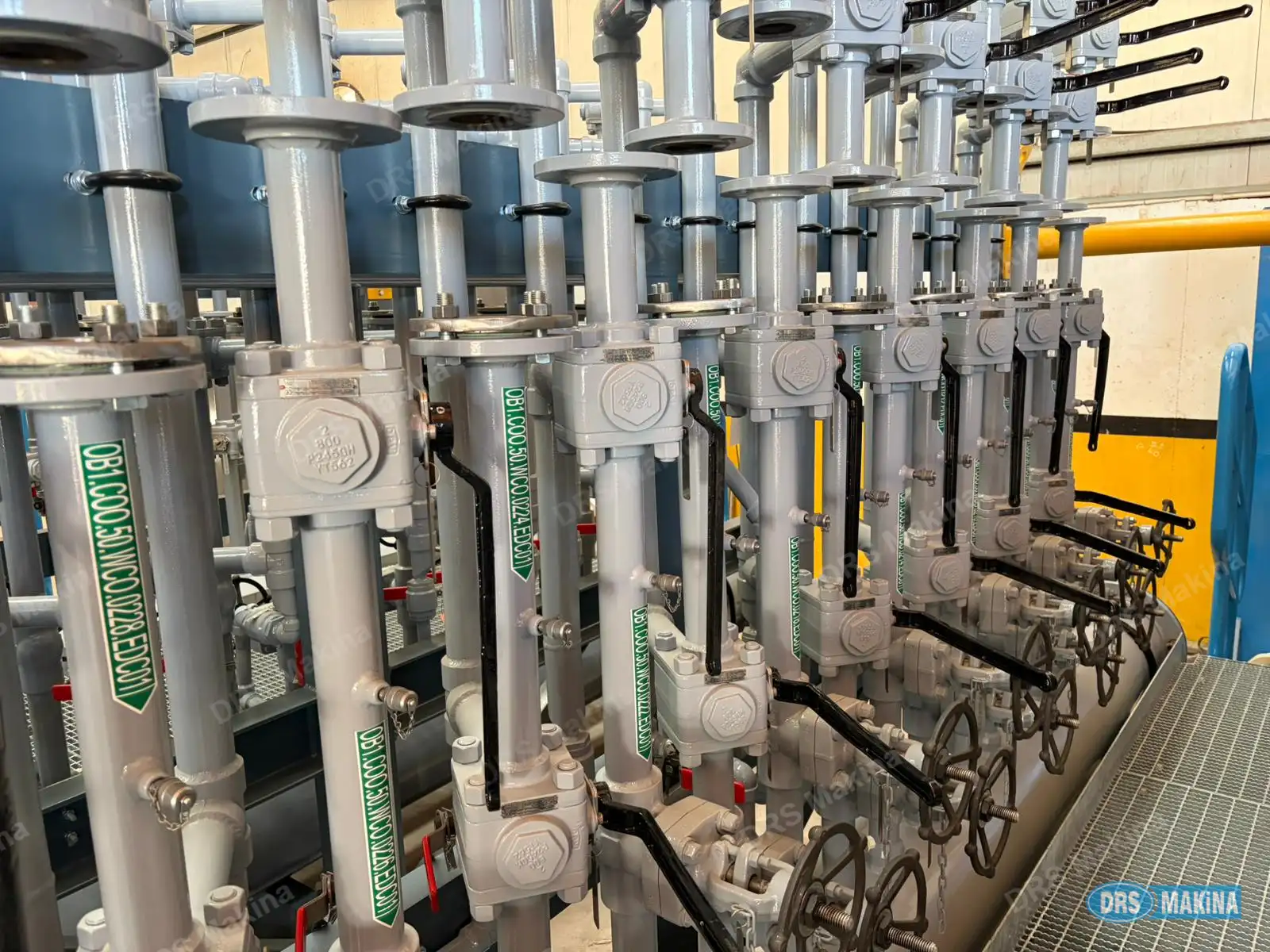
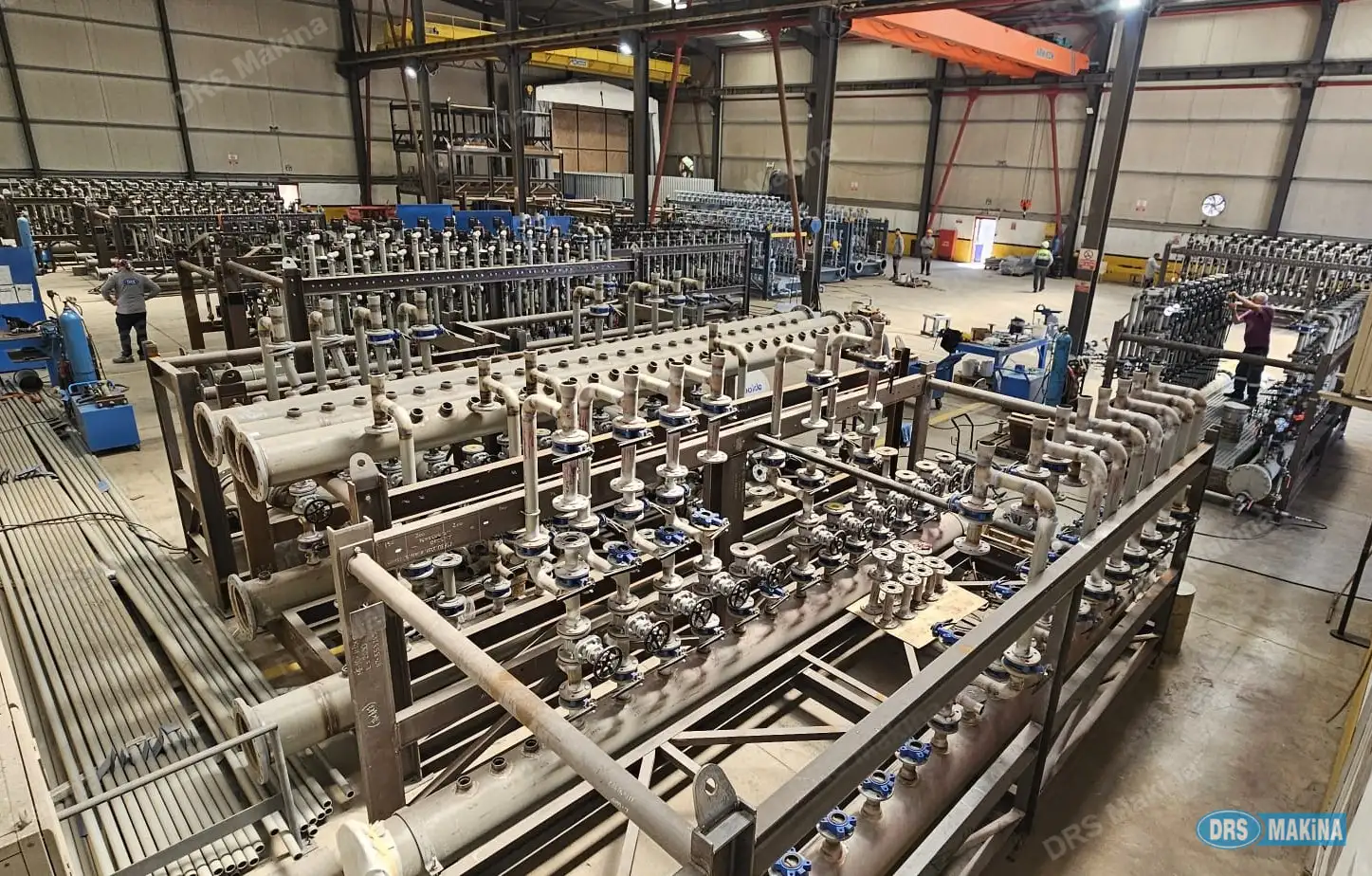
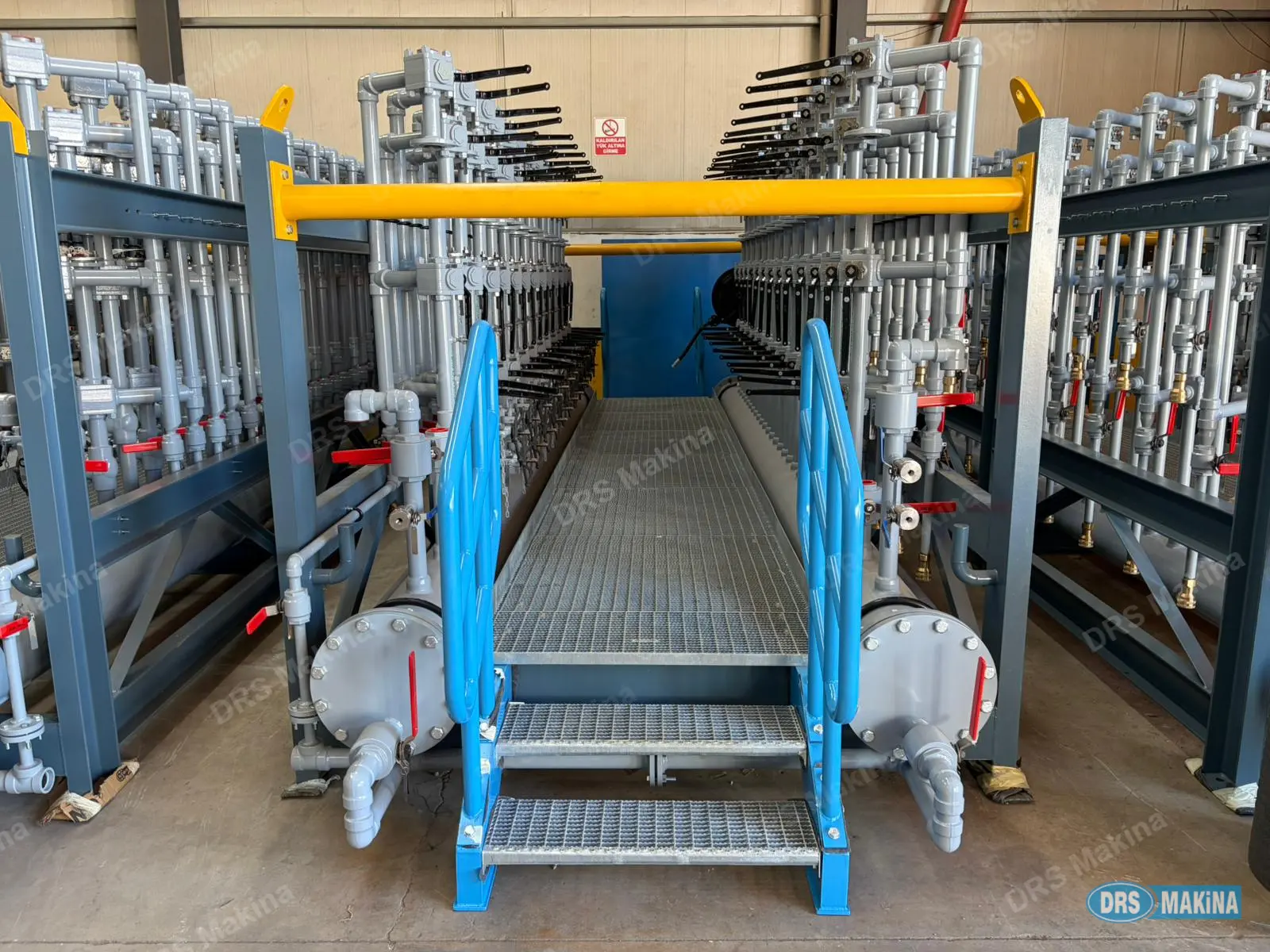
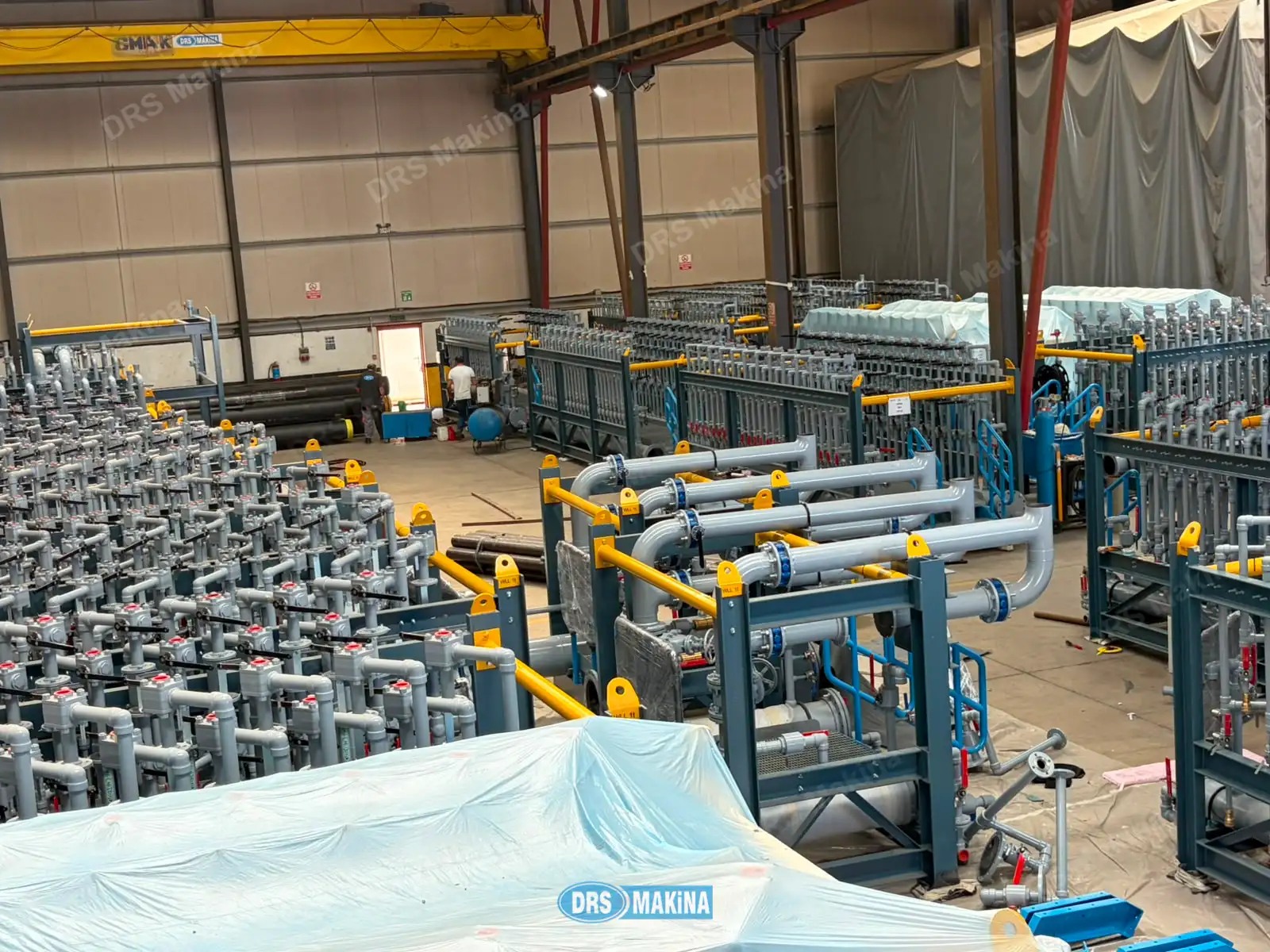
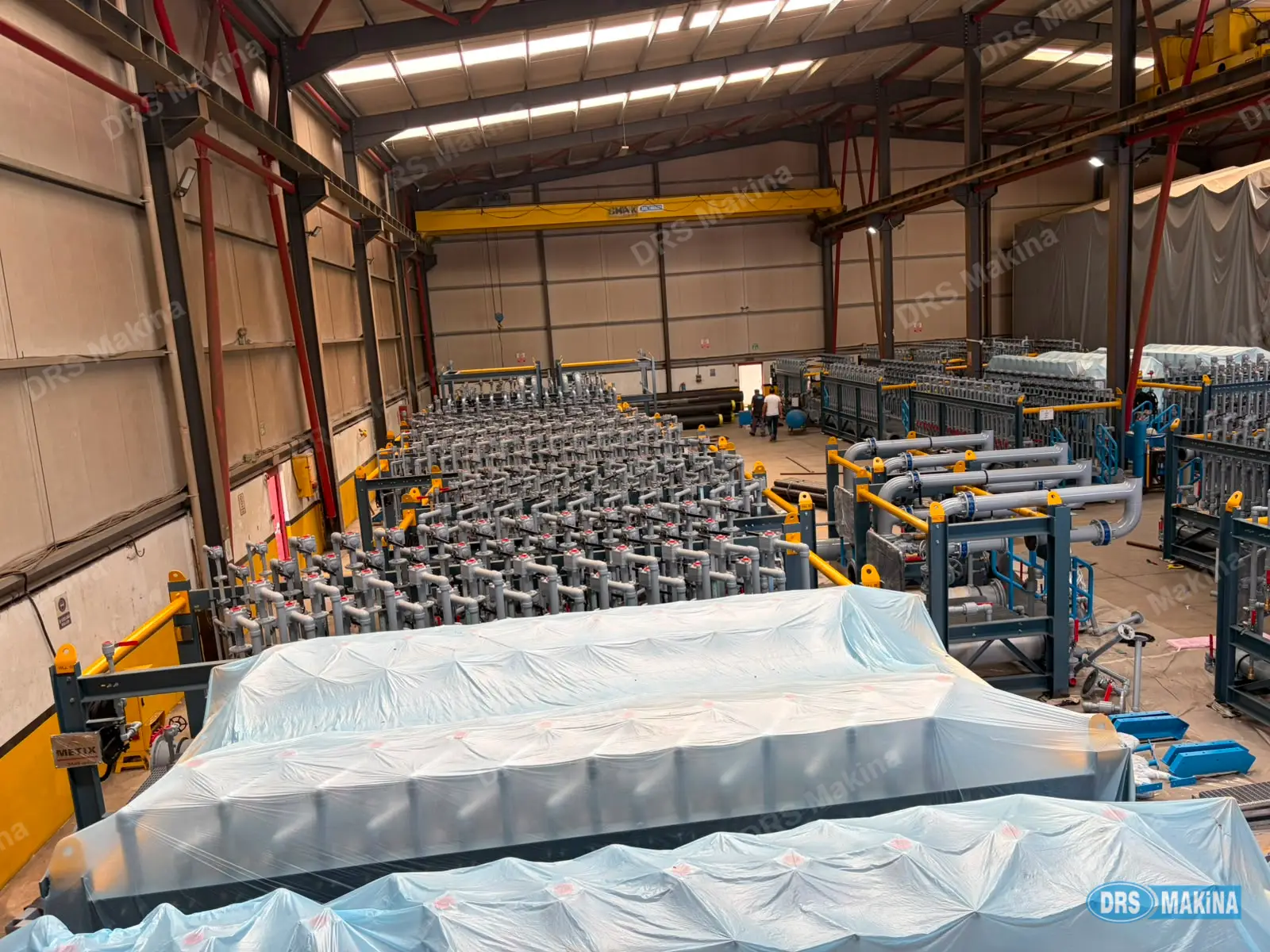
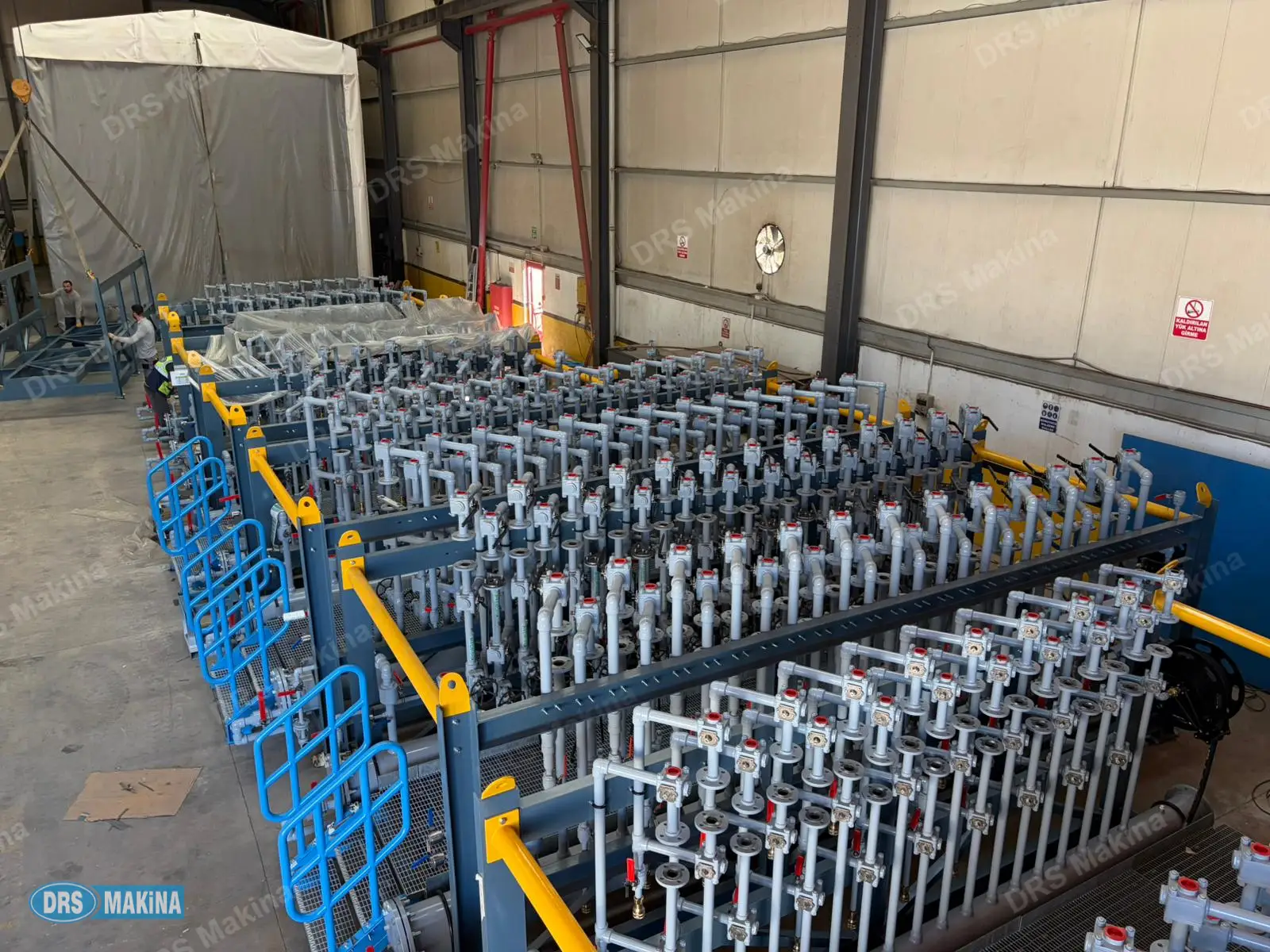
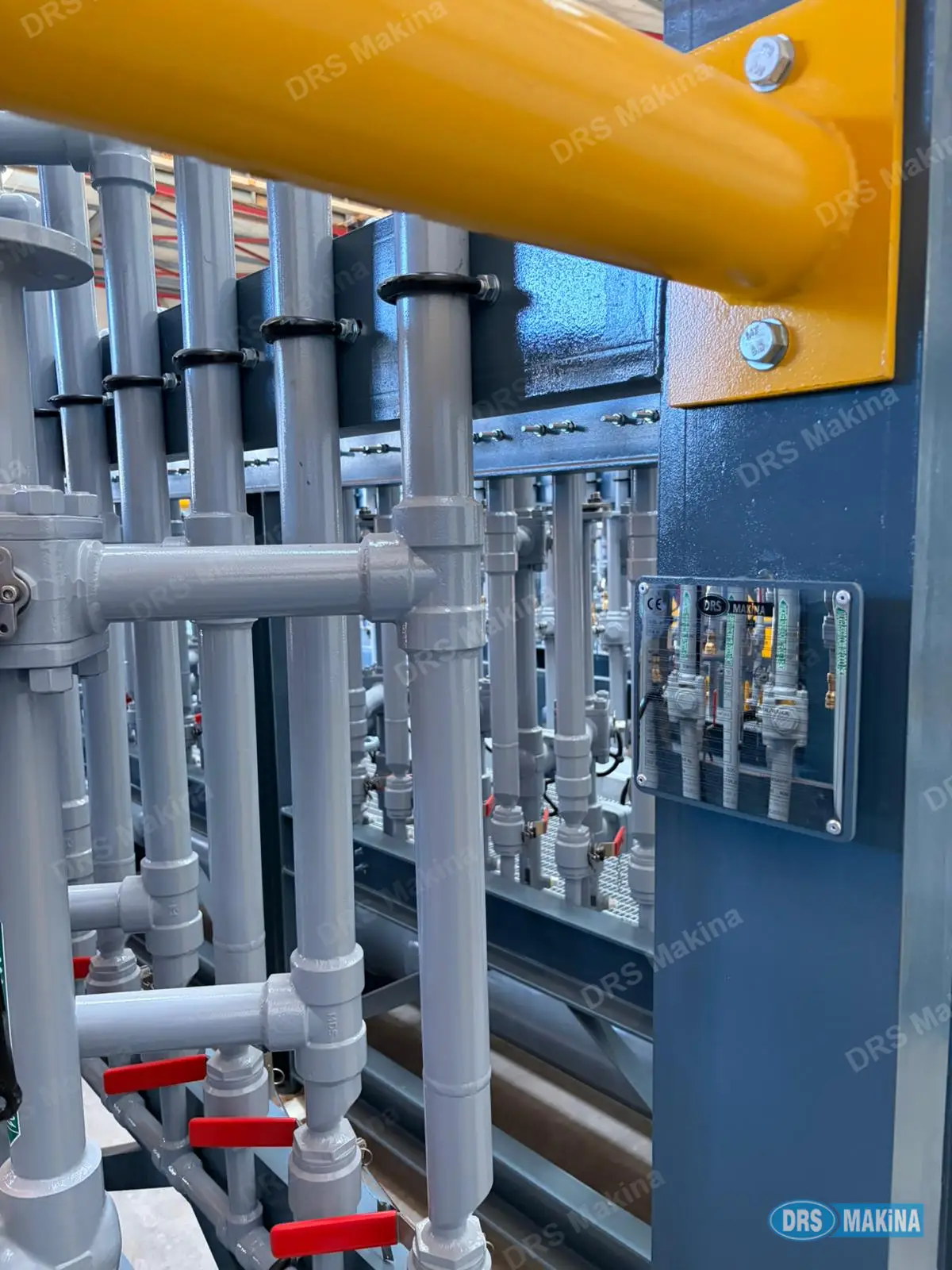
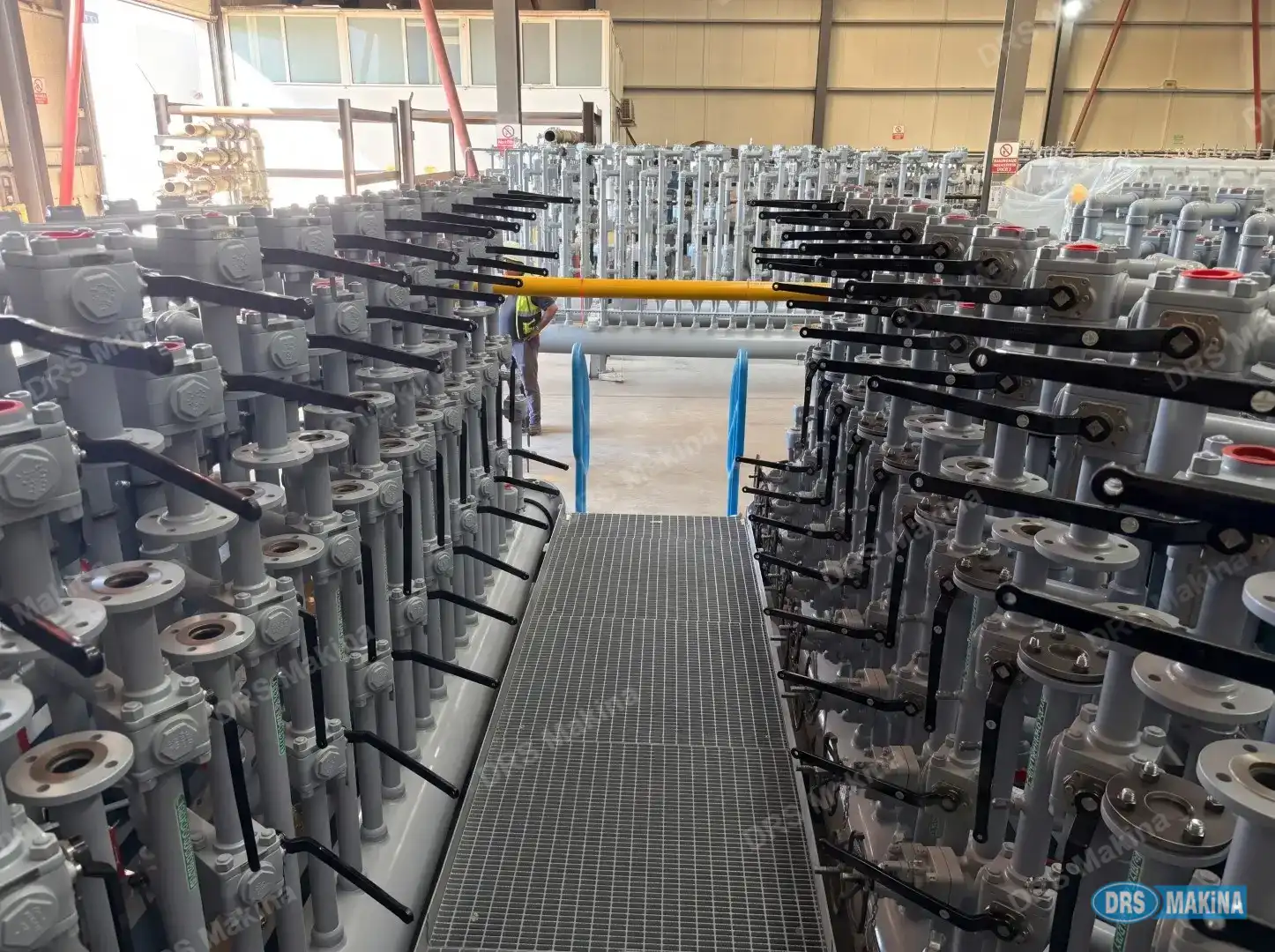
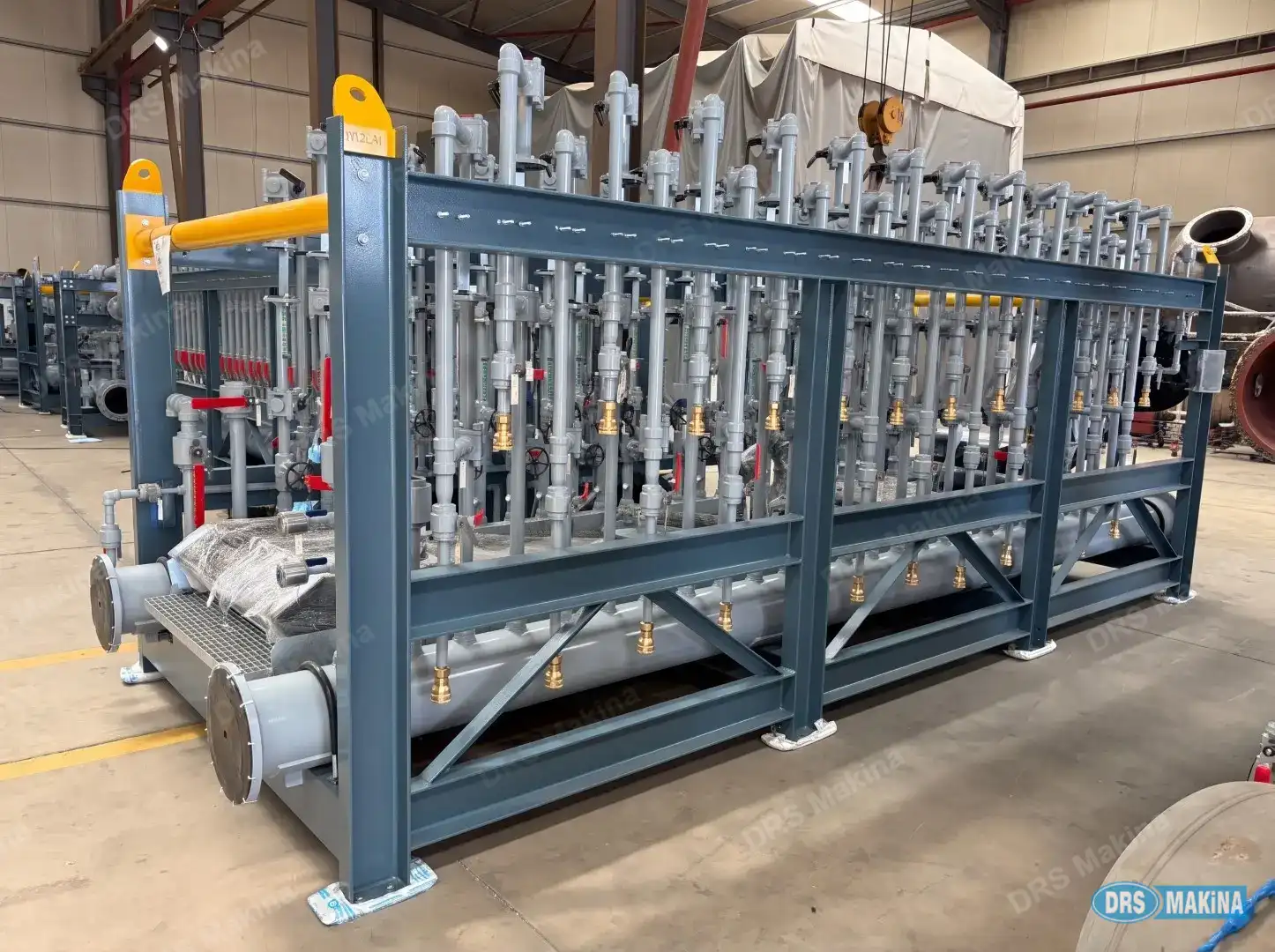
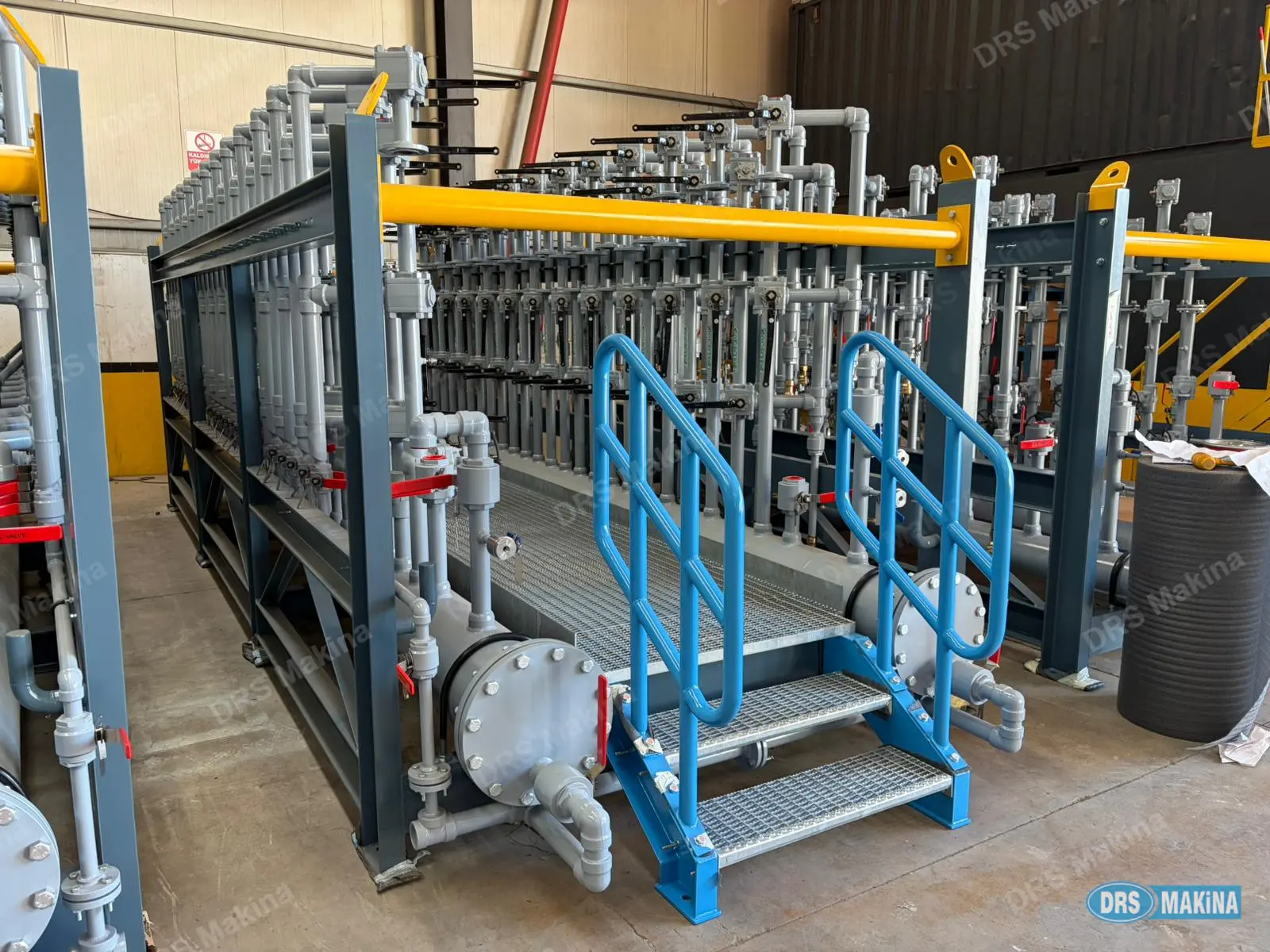
PED 2014/68/EU Carbon Steel Cooling Water Manifold and Skid Fabrication
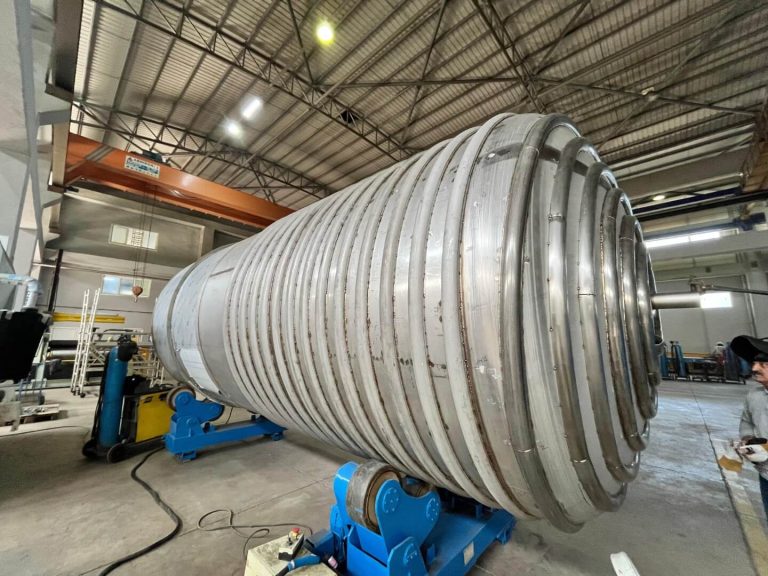
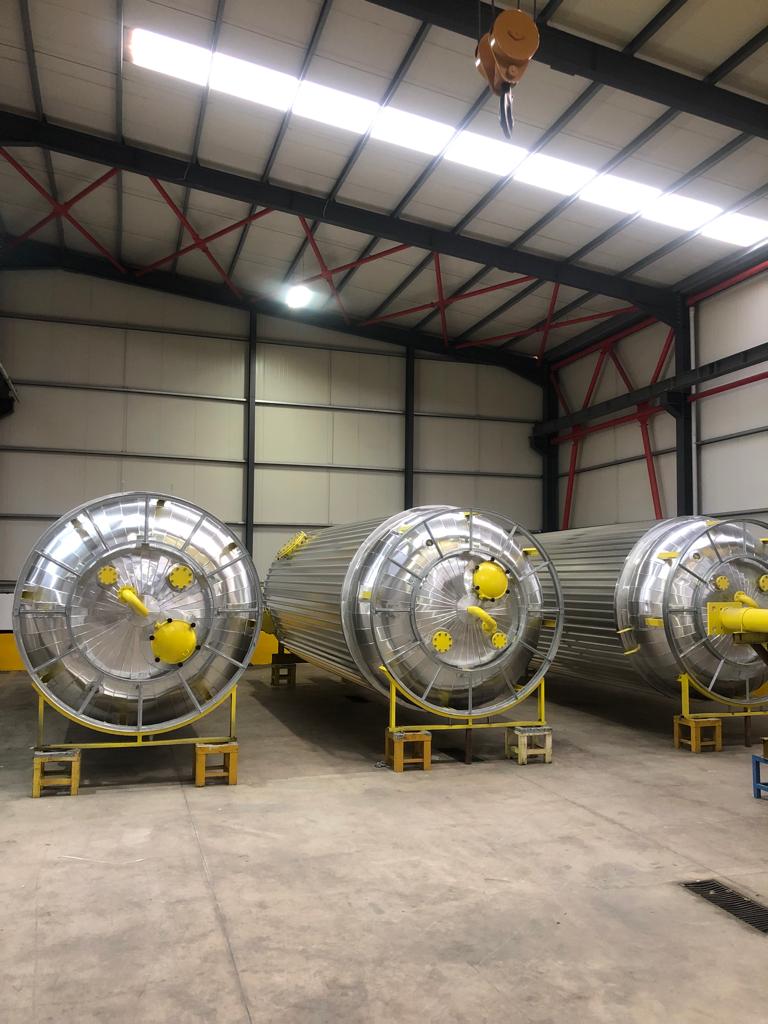
Within the scope of a global facility investment in the European iron, steel, and heavy industry sector, 64 manifolds and 32 supporting steel skids were manufactured for high-flow cooling circuits. Achieving complete leak-tightness across numerous branch connections, maintaining dimensional tolerances for single-piece modular shipment, and ensuring long-term corrosion resistance in a heavy industrial atmosphere were established as core engineering requirements. Accordingly, cooling water manifold and skid fabrication at DRS Makina’s Dilovası / Kocaeli, Türkiye facilities was structured in compliance with skid manufacturing and pressure equipment standards.
Engineering and Material Solutions for Cooling Water Manifold and Skid Fabrication
During the design and preparation phase, the wall thickness calculations and fabrication drawings submitted within the project scope were reviewed by the DRS Makina engineering team in accordance with PED 2014/68/EU (CE Marking) requirements, and detailed cutting plans were prepared. Following engineering and design review, EN 10204 3.1 material certification was mandated for all procured metallic products to ensure full material traceability. Seamless P235GH (EN 10216-2) carbon steel pipes, offering high weldability and mechanical strength, were selected for the pressurised manifold main headers. The skid support structures were engineered from S355JR structural steel, while the walkway gratings were specified in galvanised S355JR steel to enhance corrosion resistance. All flanges, fittings, gaskets, bolting sets, and valves were supplied within DRS Makina’s procurement scope.
Welded Fabrication Processes, Surface Preparation, and Protective Coating
To prevent welding distortion across the multi-branch manifold geometry and minimise field installation time, all manifolds and skid assemblies were fabricated in the workshop as single-piece modular units. The primary operations carried out within the industrial equipment manufacturing workflow included:
- Submerged arc welding (SAW), shielded metal arc welding (SMAW), gas tungsten arc welding (GTAW / TIG), and gas metal arc welding (GMAW / MIG/MAG) processes were executed by certified welders in accordance with approved welding procedure specifications (WPS) and procedure qualification records (PQR).
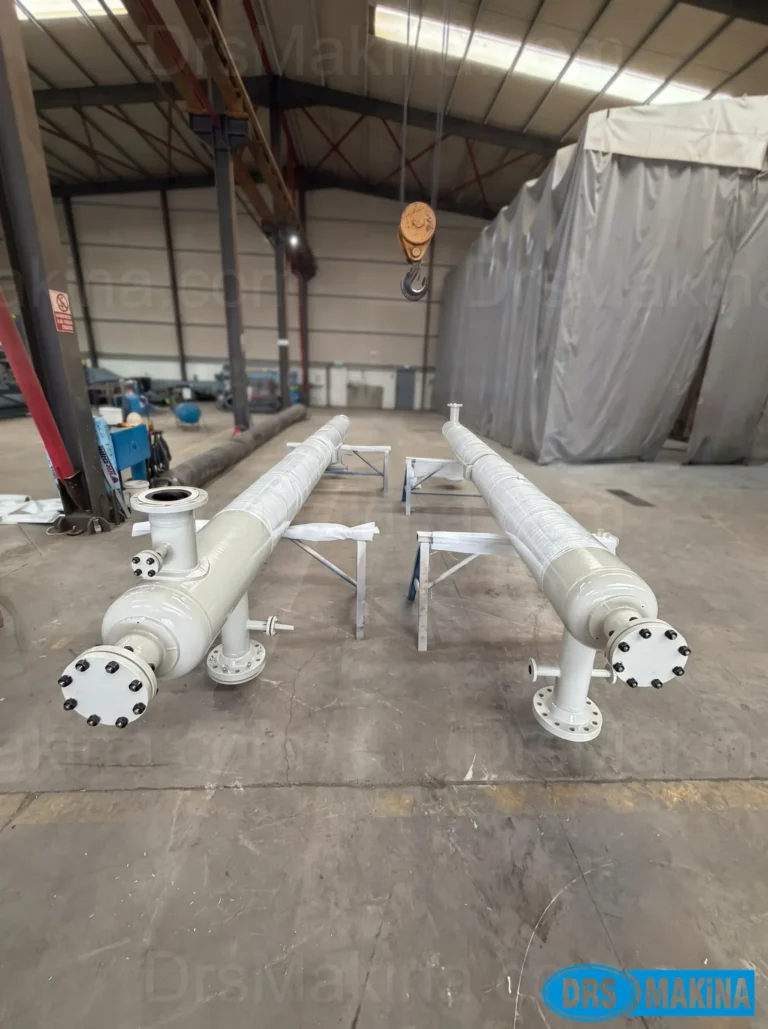
- All branch lines and valves were welded onto the 64 manifold headers, client-supplied free-issue instruments and components were installed, and the completed manifolds were integrated onto the 32 S355JR structural steel skids.
- All external carbon steel surfaces underwent abrasive blast cleaning to cleanliness grade Sa 2.5 in accordance with ISO 8501-1.
- In compliance with the corrosion protection specification, a three-coat industrial paint system was applied—comprising a 60-micron primer coat, a 60-micron intermediate coat, and a 50-micron topcoat—achieving a total dry film thickness (DFT) of 170 microns.
- Prior to dispatch, all open nozzles and pipe ends were sealed with protective plastic caps, and the modular skid units were wrapped in tarpaulin, loaded into open-top containers, and secured via internal container lashing.
Non-Destructive Testing (NDT), Pressure Testing, and Quality Documentation
Quality assurance activities were conducted in full compliance with the project Inspection and Test Plan (ITP) and technical specifications. To verify the structural integrity of the weld seams, 100% ultrasonic testing (UT) and 100% penetrant testing (PT) were performed on all butt welds, while 10% penetrant testing (PT) was applied to all remaining welded joints. For mechanical leak-tightness verification, all skid units—excluding the common drain connection spool—were subjected to hydrostatic pressure testing. Upon completion of fabrication, an English Manufacturing Data Book containing material certificates, dimensional inspection reports, and welder qualification records was compiled, and an EU Declaration of Conformity (CE) was issued in accordance with PED Category 1.
All butt welds underwent 100% UT and 100% PT inspection, and all 32 skid modules were verified via hydrostatic testing prior to open-top container lashing.
Technical Notes on Process and Manufacturing Criteria
How were weld quality and CE conformity verified for the 64 cooling water manifolds under PED 2014/68/EU Category 1?
Weld quality and CE conformity under PED 2014/68/EU Category 1 were verified through pre-fabrication design reviews of wall thickness calculations and technical drawings, execution of approved WPS and PQR welding procedures, and 100% UT and 100% PT on all butt welds (plus 10% PT on all other welds). Following non-destructive testing, all skid units were subjected to hydrostatic pressure testing, and the PED Category 1 EU Declaration of Conformity was issued.
How were corrosion protection and shipment security achieved for the S355JR steel skids and P235GH manifolds operating in a heavy industrial environment?
Corrosion protection was achieved by abrasive blast cleaning all external carbon steel surfaces to ISO 8501-1 Sa 2.5 and applying a three-coat protective paint system totalling 170 microns DFT (60-micron primer, 60-micron intermediate coat, and 50-micron topcoat), alongside fabricating the skid walkway gratings from galvanised S355JR steel. For shipment security, all open ends were sealed with plastic caps, wrapped in tarpaulin, and secured via lashing inside open-top containers.
Referenced Standards and Norms
- PED 2014/68/EU: Pressure equipment design, fabrication, and CE conformity requirements (Official text on EUR-Lex)
- EN 10204: Metallic products — Types of inspection documents (3.1 material certification)
- EN 10216-2: Seamless steel tubes for pressure purposes (P235GH carbon steel)
- EN 10025-2: Hot rolled products of structural steels (S355JR skid construction)
- ISO 8501-1:2007: Preparation of steel substrates before application of paints and related products (Sa 2.5 abrasive blast cleaning grade) (ISO page)