

Equipment Fabrication
Fabrication, Insulation, and Field Installation of 30-Ton Stainless Steel Glucose Storage Tank for the Food Industry
About the Project
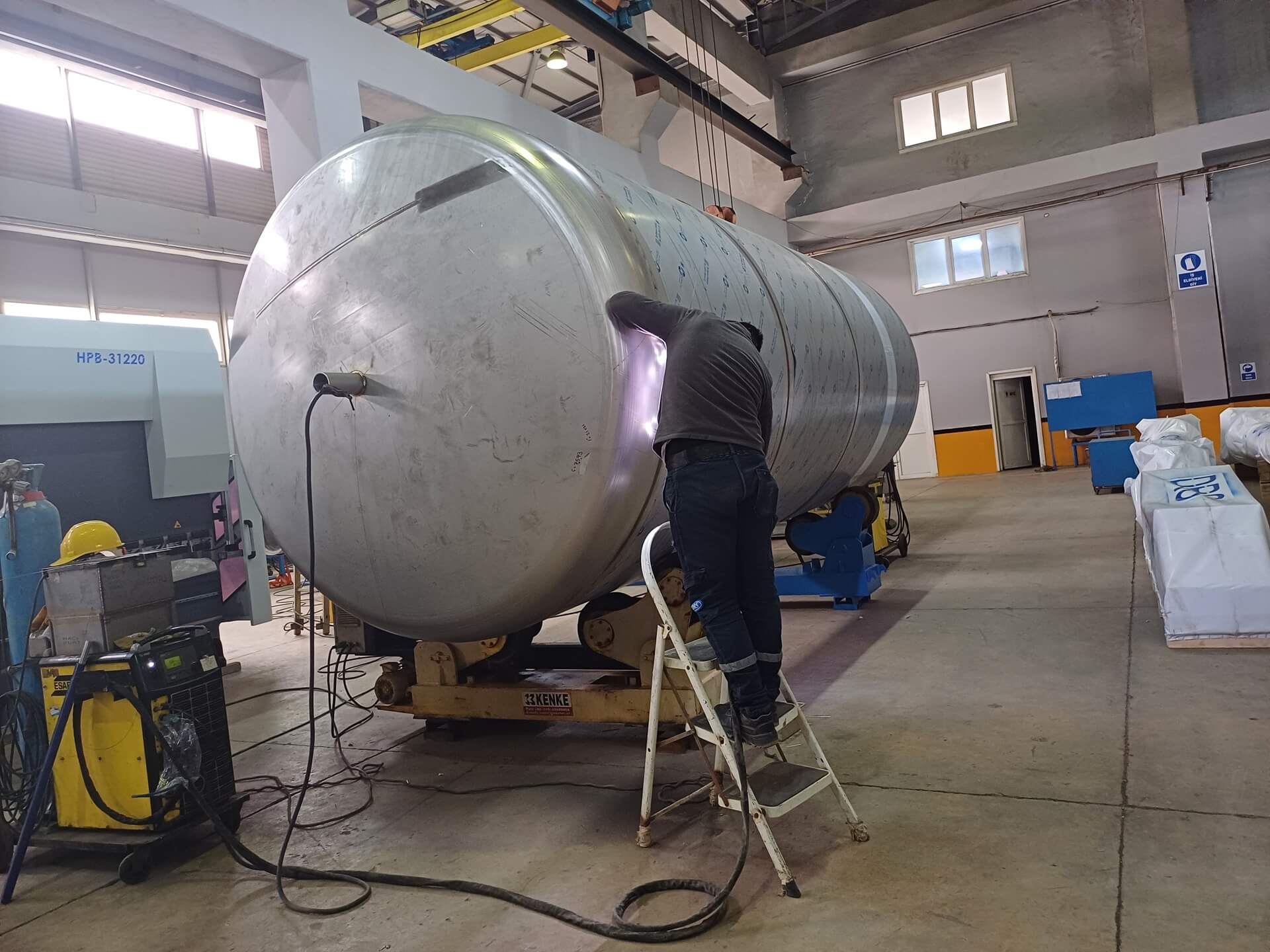
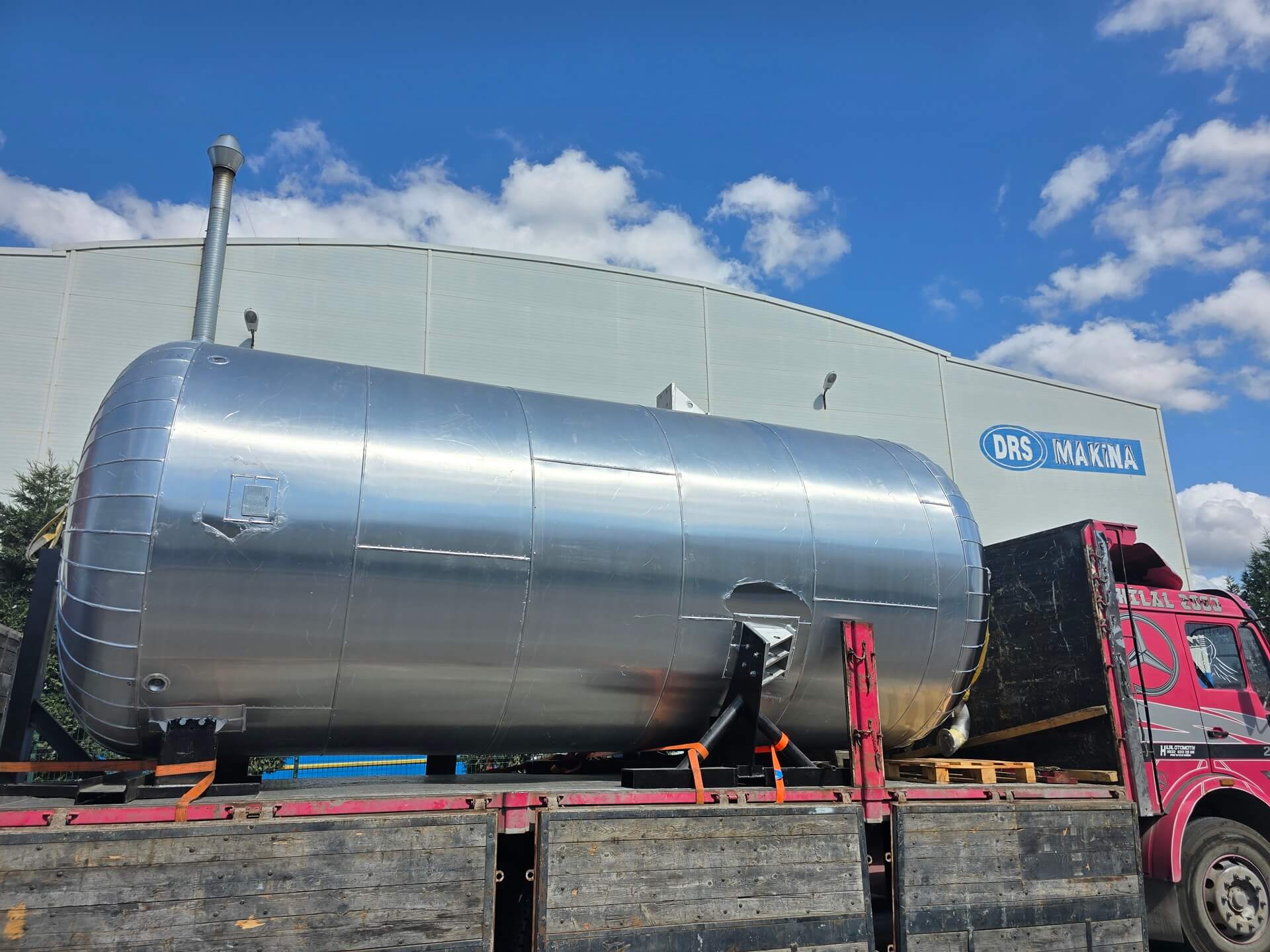
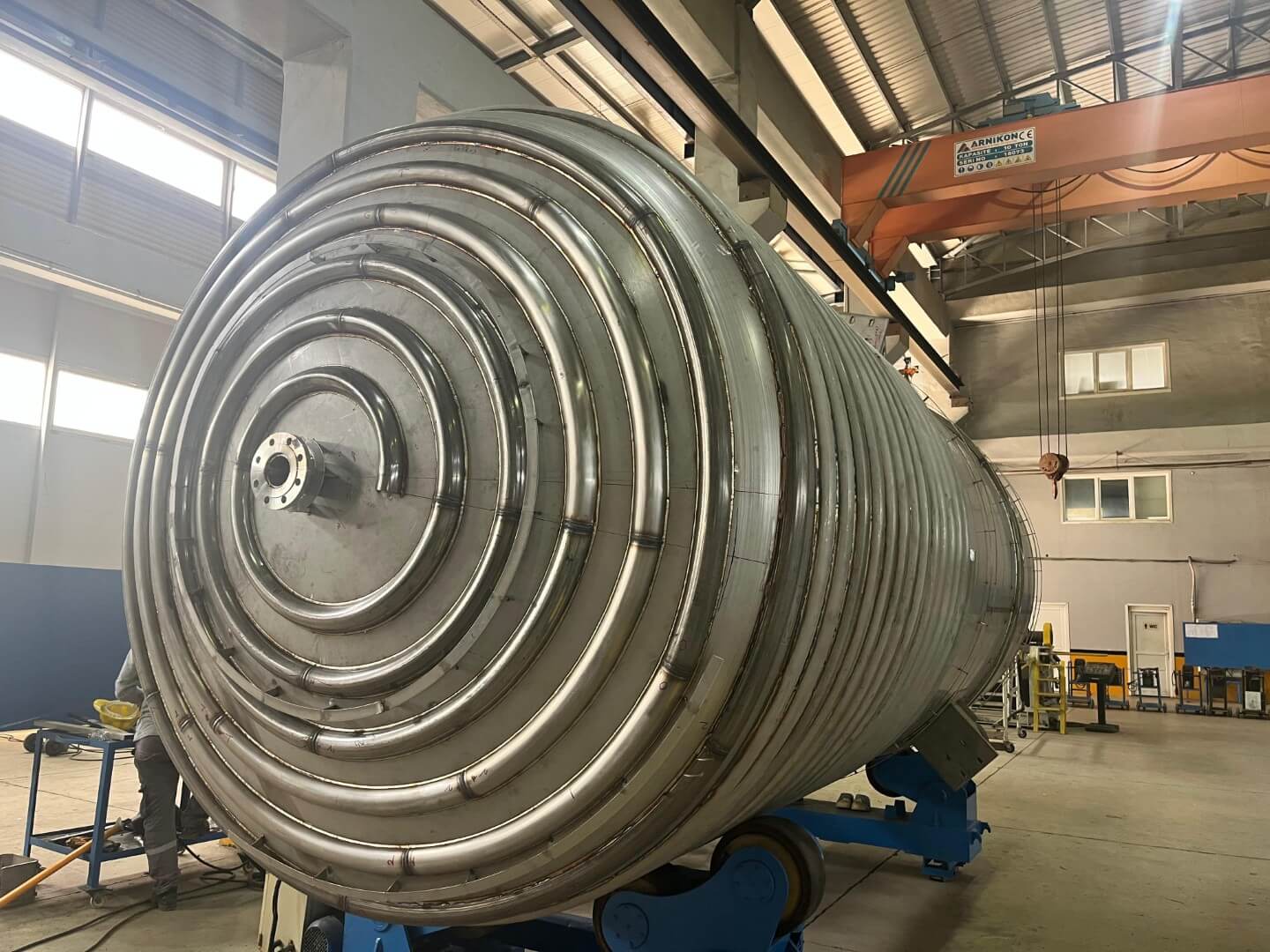
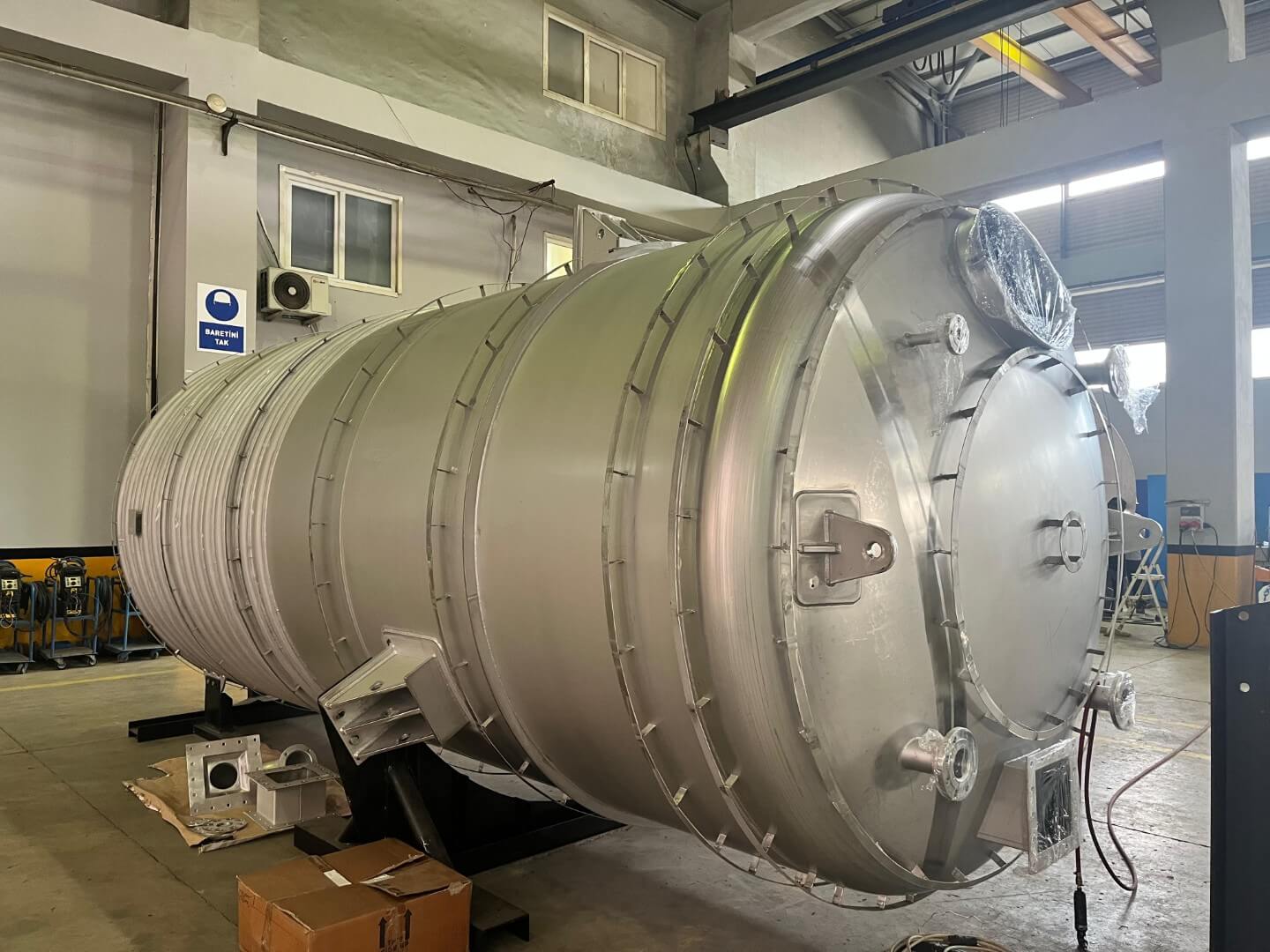
Fabrication, Insulation, and Field Installation of 30-Ton Stainless Steel Glucose Storage Tank for the Food Industry
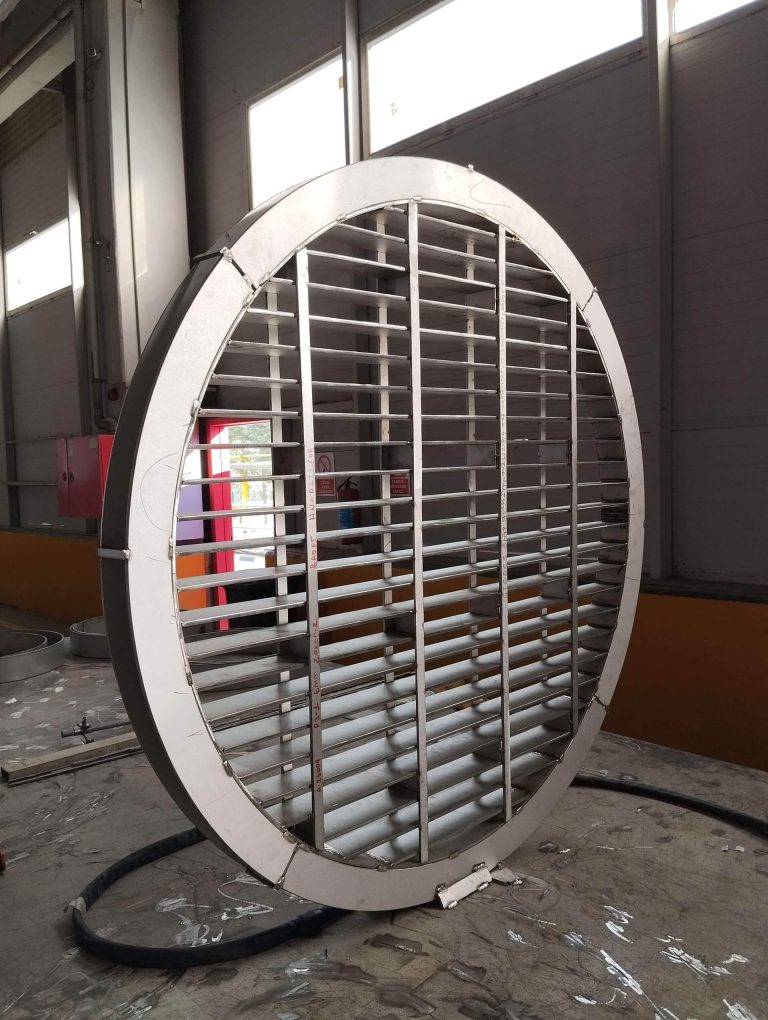
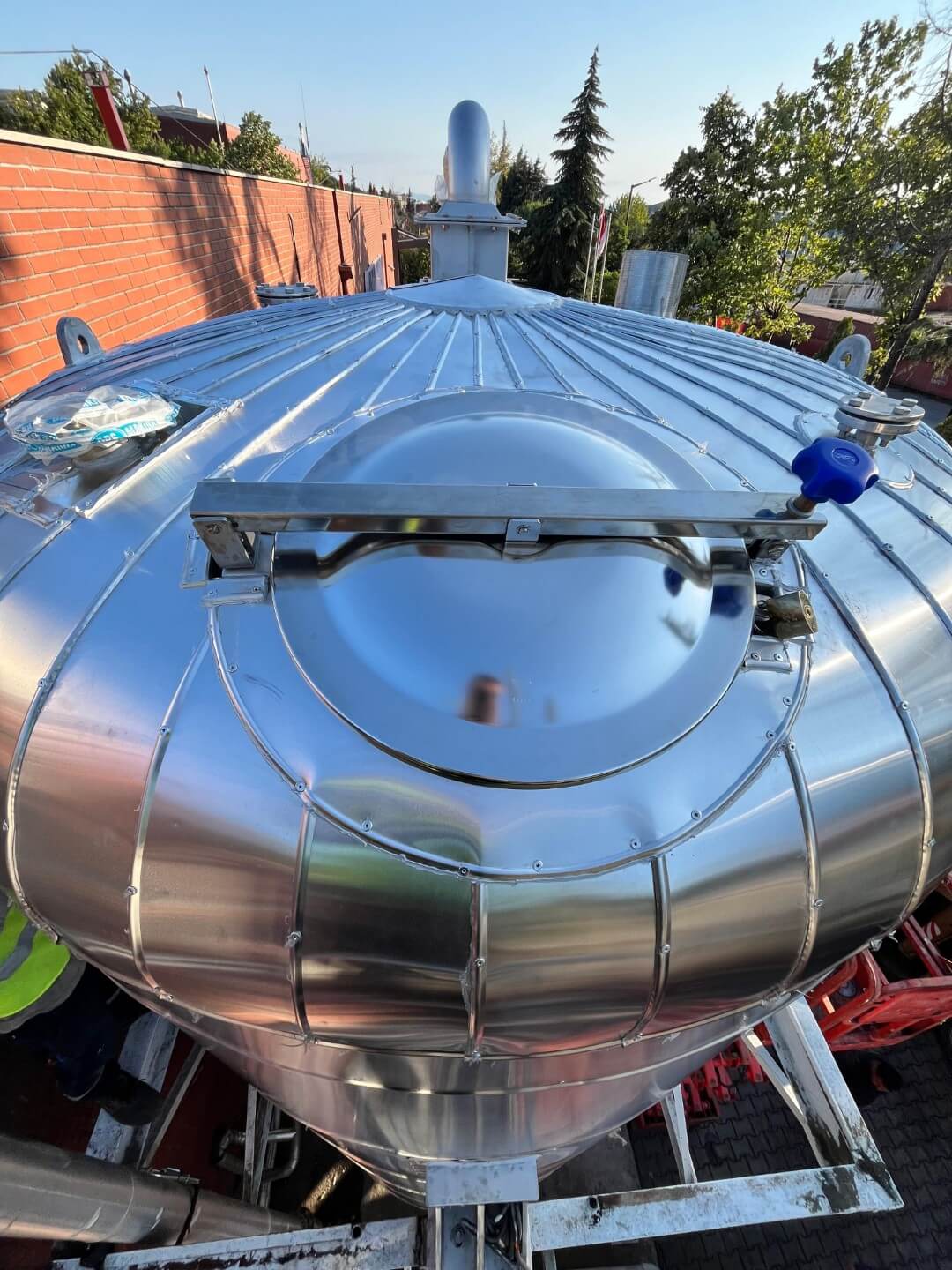
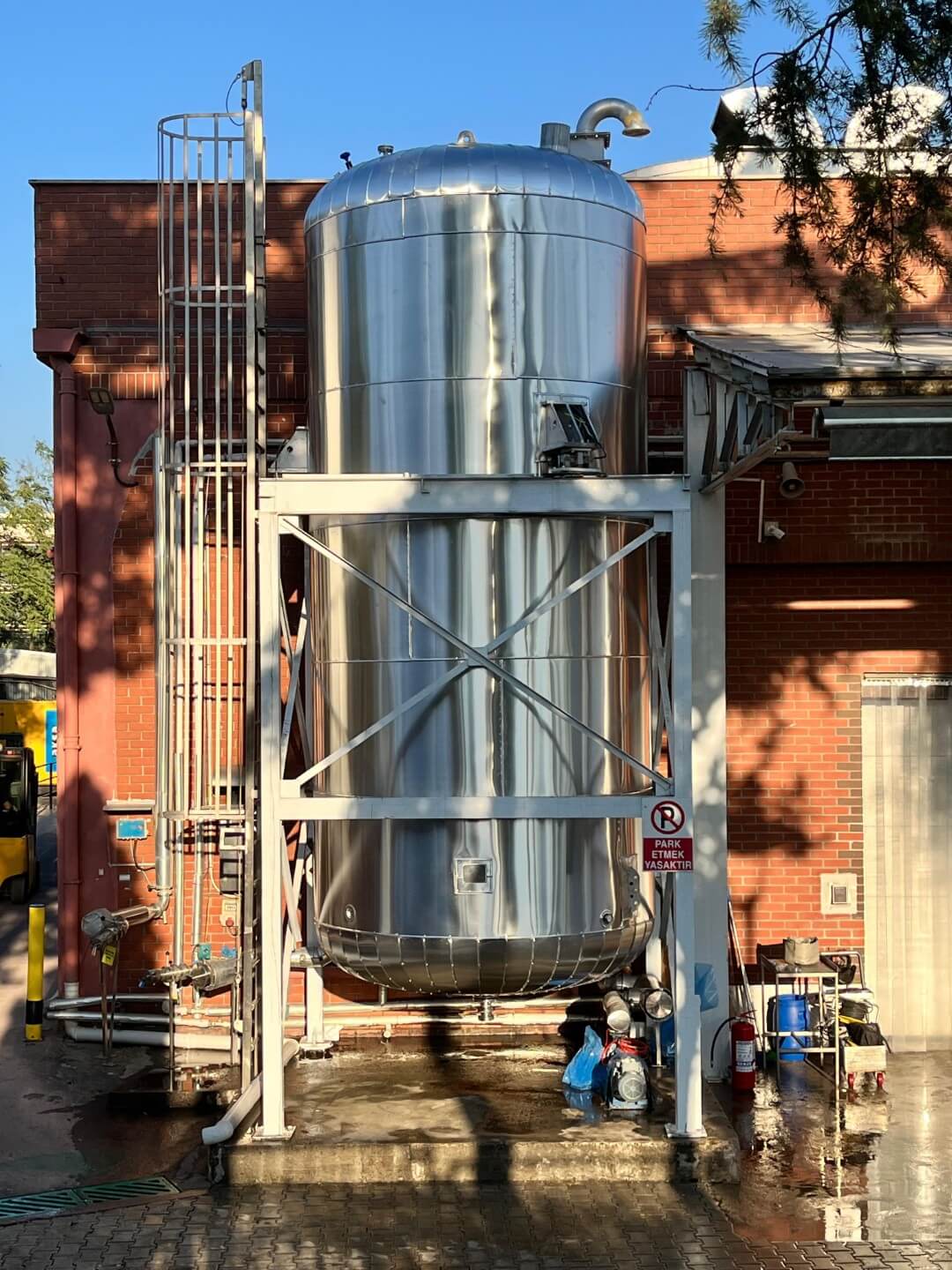
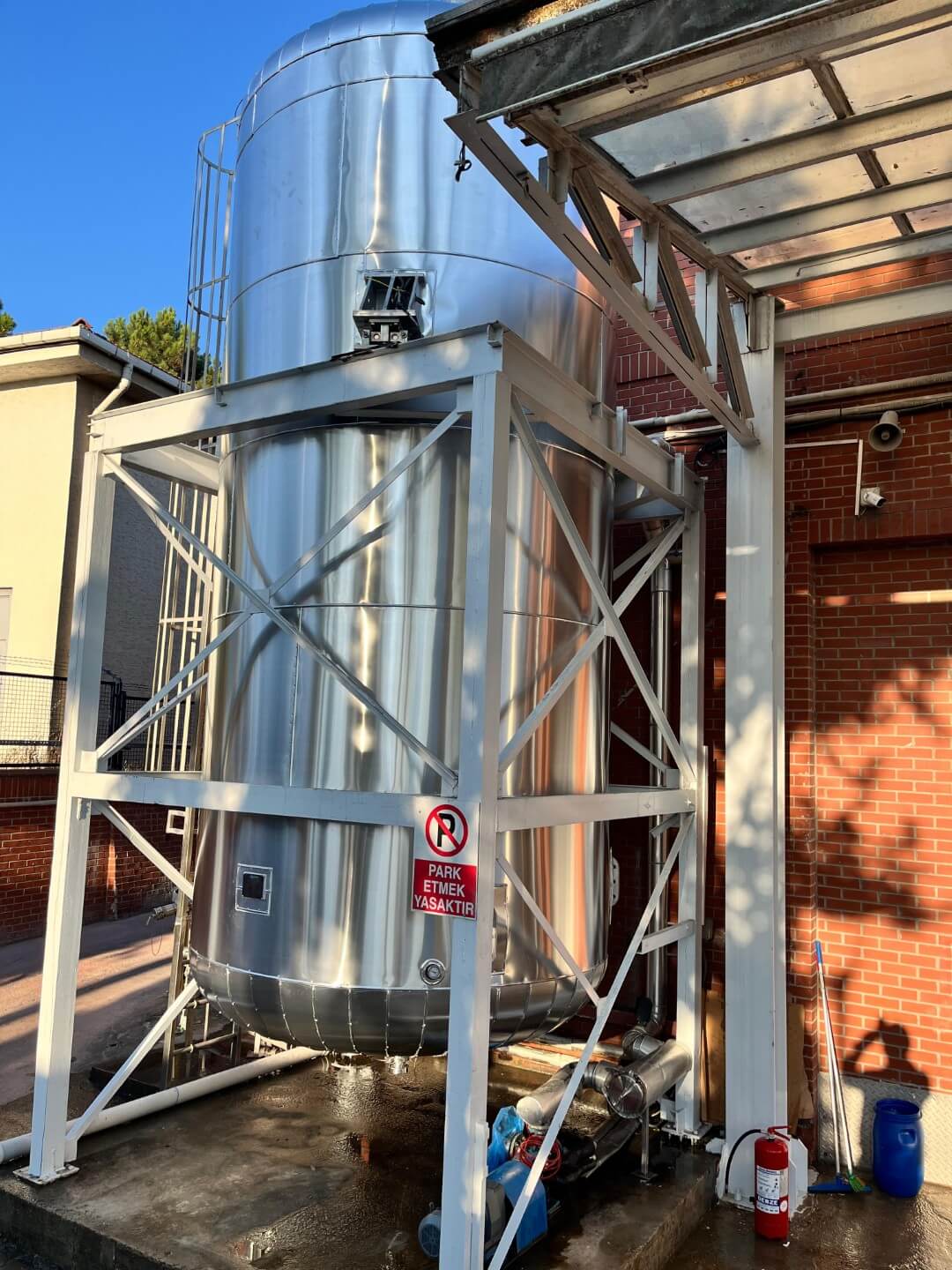
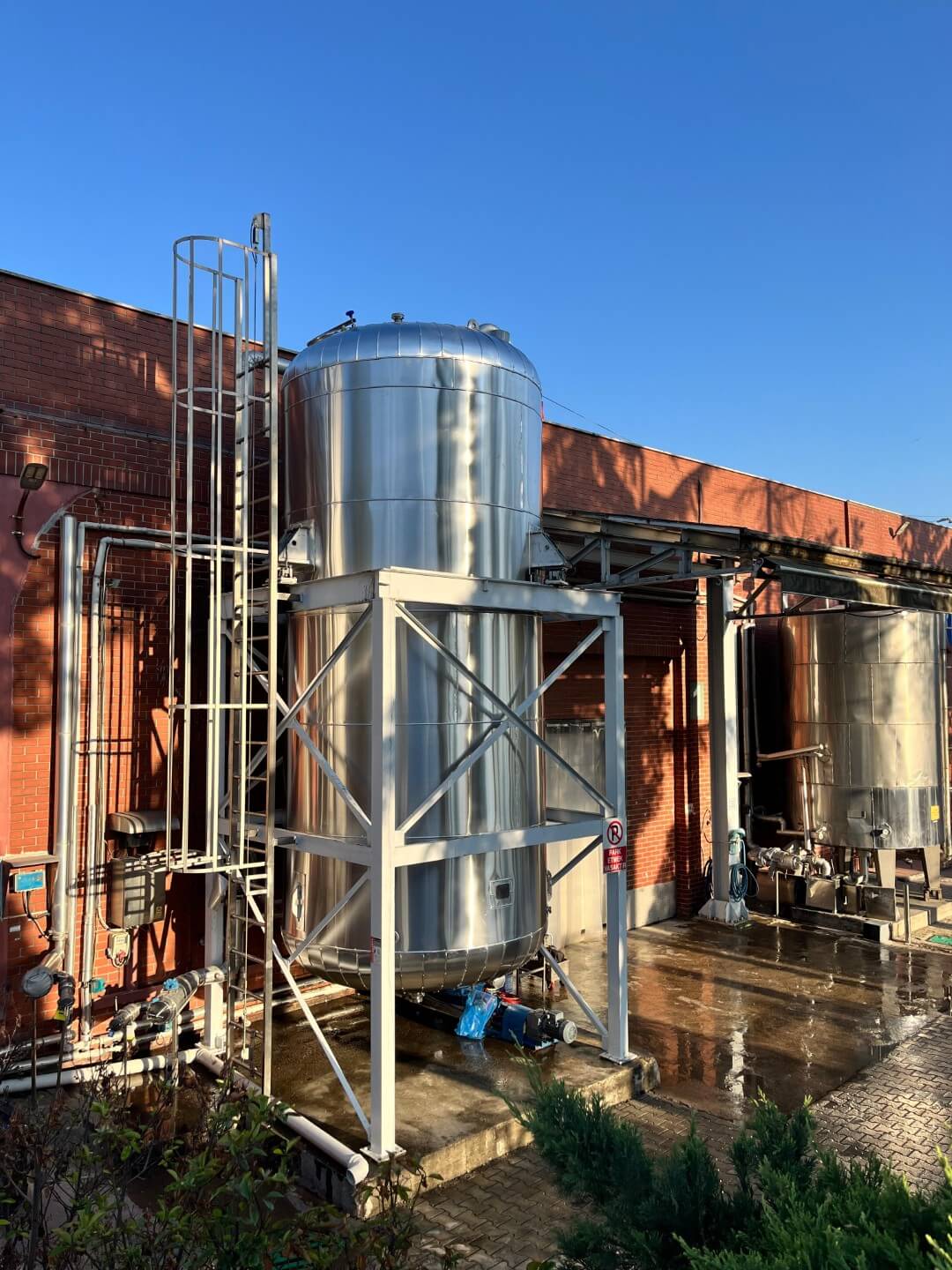
DRS Makina has added a new milestone to its engineering solutions designed for high-hygiene process flows in the food and chemical industries. In this context, the 30-Ton capacity HL351 Glucose Tank project was successfully completed for a global brand that is Turkey’s leading producer of industrial food ingredients and flavorings. Realized at our high-tech manufacturing facilities located in Kocaeli, Dilovasi IMES OSB, this project is the result of an integrated engineering and contracting effort, extending from conceptual design and structural strength calculations to precise stainless steel fabrication, industrial insulation, and turnkey site installation.
Mechanical Design and Advanced Modeling in Compliance with EN 13445 Standards
For systems storing fluids with high viscosity and sensitivity to temperature changes, such as glucose, structural stability and strength are the most critical design inputs. The DRS Makina engineering team calculated the mechanical behavior of the tank under operating loads in reference to EN 13445 standards for unfired pressure vessels. Designs prepared in the SolidWorks 3D solid modeling environment were validated using finite element analysis (FEA) simulating static load distributions and environmental factors such as wind and seismic loads. Due to the detailed 2D layouts generated on the AutoCAD platform, millimetric compatibility with the existing structural steel frames where the equipment would be integrated was guaranteed. Throughout this process, all engineering validations were executed utilizing DRS Makina’s proprietary design and project management methodologies.
Hygienic Design Principles, Material Metallurgy, and Surface Precision
To fully satisfy GMP (Good Manufacturing Practices) standards, which represent some of the most stringent regulations in the food industry, material selection was a critical phase. High-corrosion resistant AISI 316 and AISI 316L grade stainless steel materials were utilized on all internal surfaces of the tank in direct contact with the process fluid. To prevent mechanical damage to the material surface during the fabrication cycle, plates featuring a 2B surface finish were protected with adhesive PVC films during all processing stages. Following welding operations, all seams and joints on the product contact surfaces were ground and mechanically polished to a reactor-level finish of `$Ra \le 0.8\ \mu m$` to prevent microbial buildup and corrosion. Immediately after the fabrication phase, professional chemical acid passivation was executed to maximize the natural corrosion resistance of the stainless steel. This high-level metallurgical process directly reflects DRS Makina’s specialized expertise in Reactor and Agitated Tank Fabrication for the food, chemical, and pharmaceutical sectors.
Heat Transfer Technology: Half-Pipe Jacket Application and Thermal Insulation
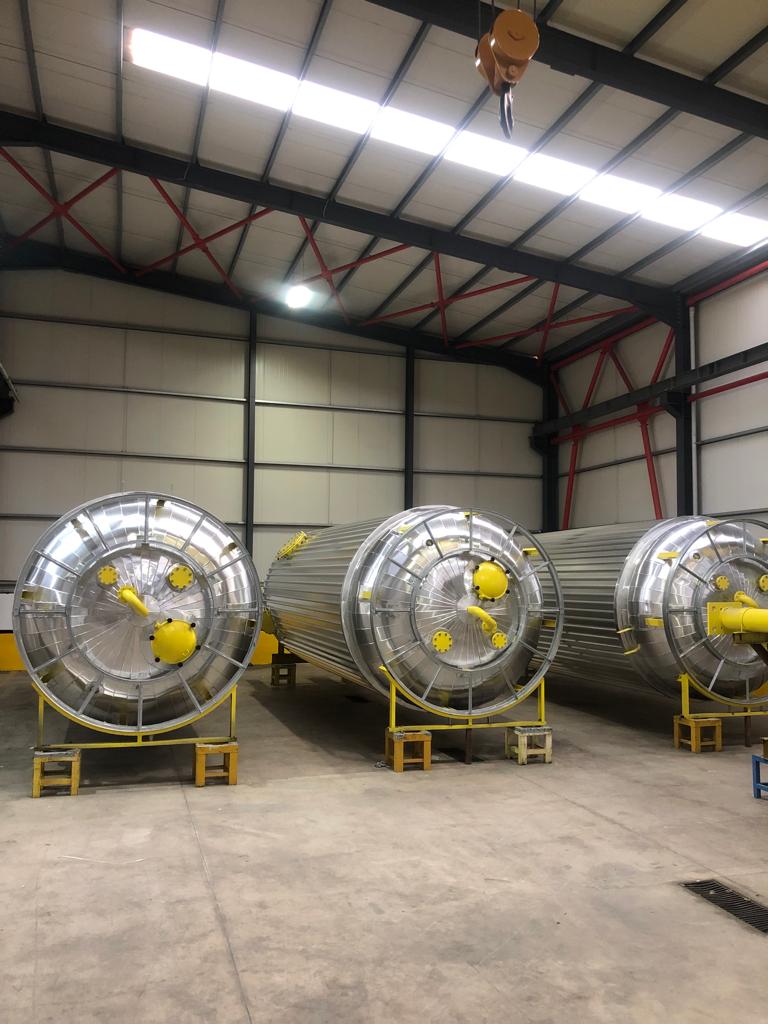
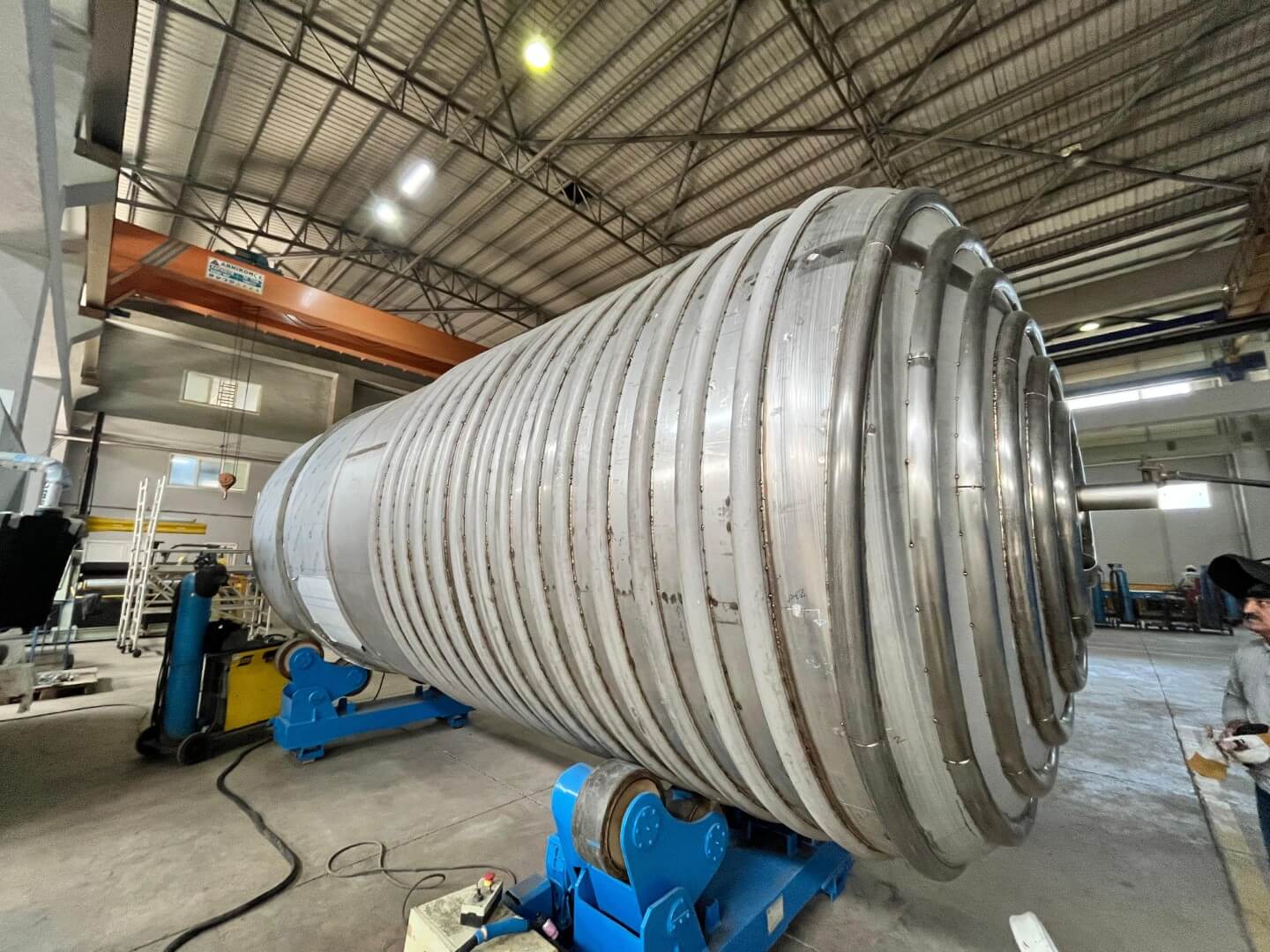
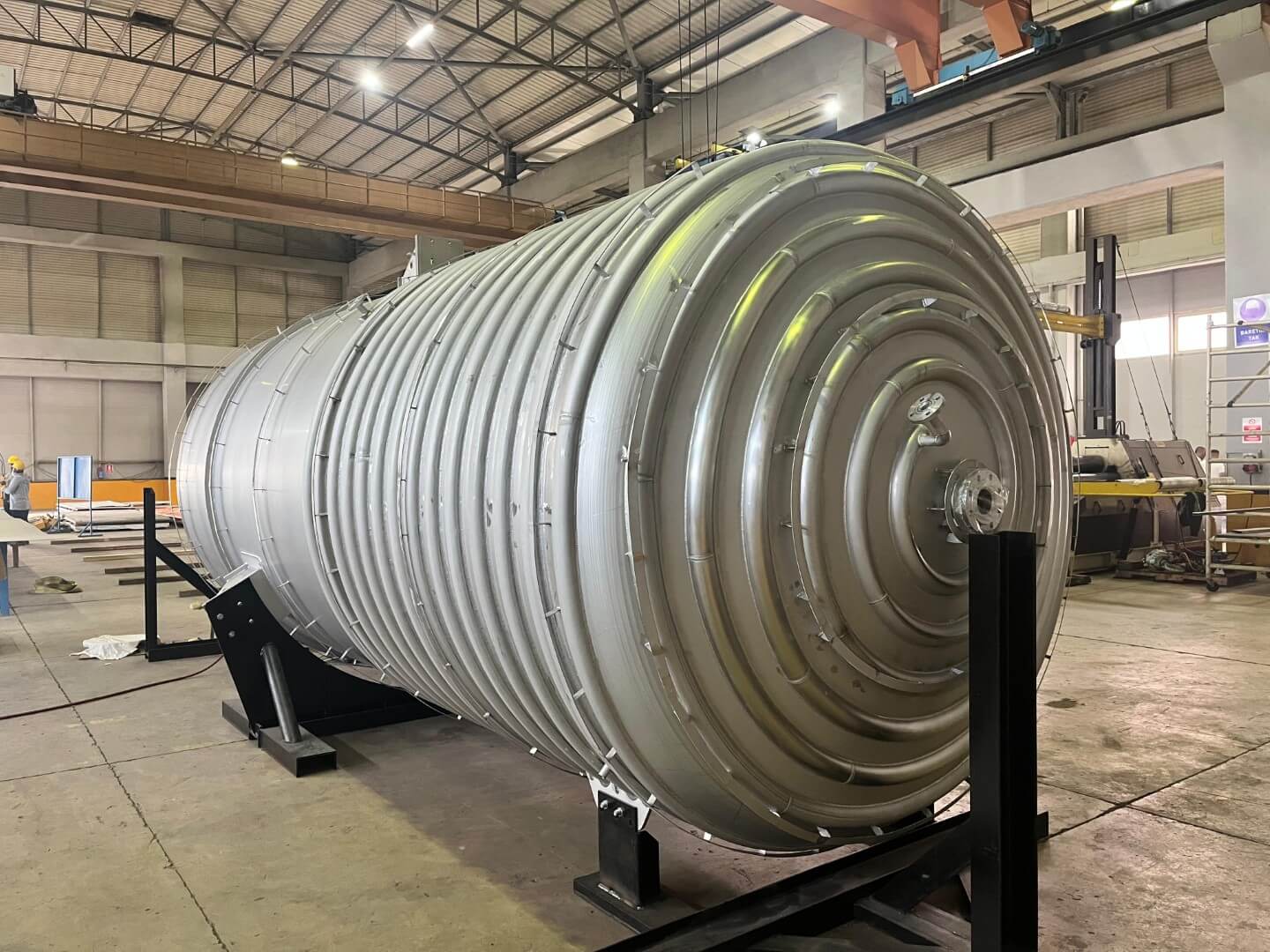
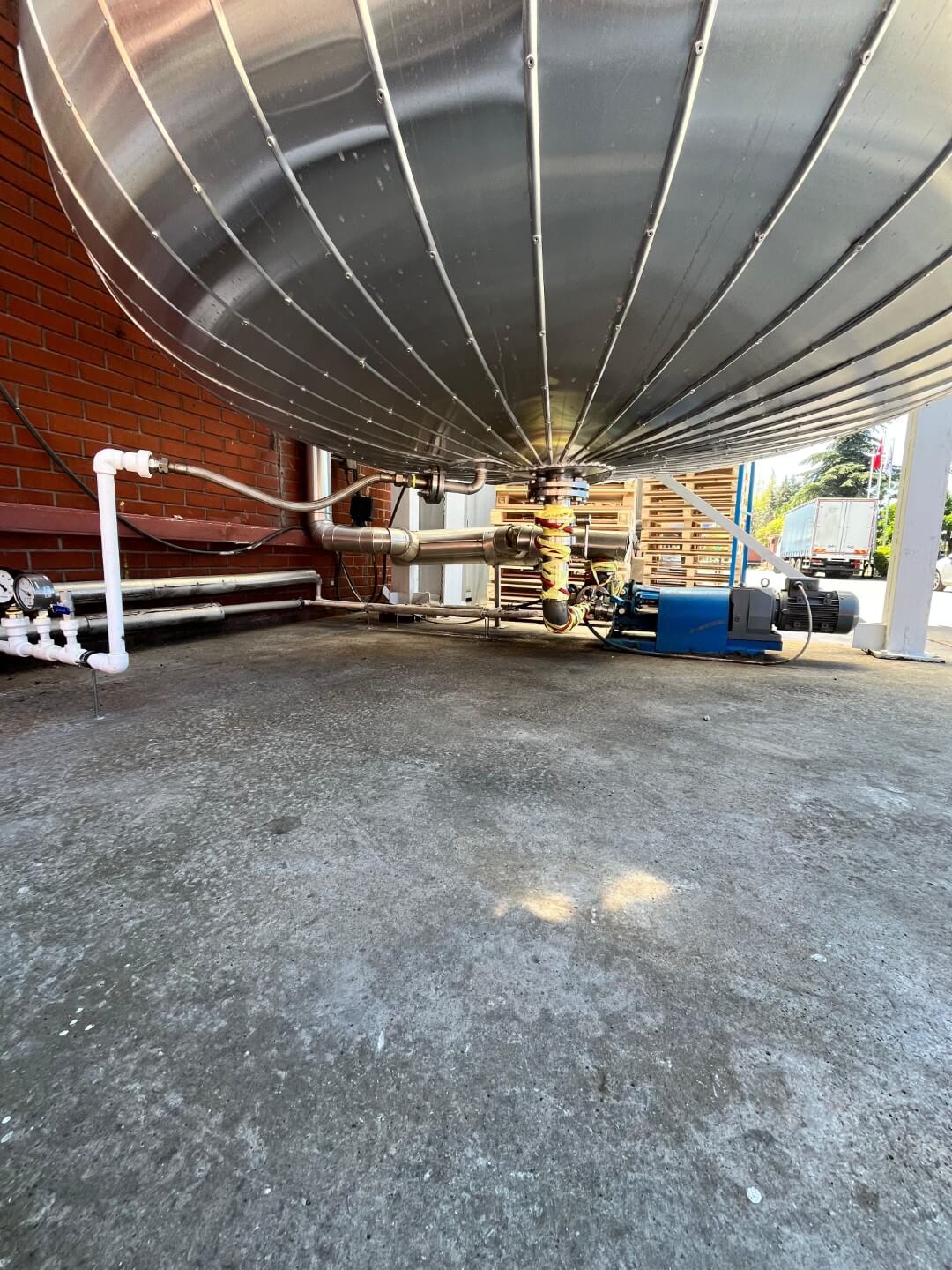
To keep the high-viscosity glucose within transferrable flow limits, the tank shell and bottom dome were equipped with dedicated heating jackets. In addition to the half-pipe coils applied up to half of the cylindrical shell height, a coil in the form of an Archimedean spiral was installed on the bottom dish to ensure uniform heat transfer. Fabricated entirely from AISI 304L grade stainless steel and engineered to withstand an operating pressure of 6 barg, these coils distribute heat uniformly, keeping the glucose at a stable temperature. To minimize heat losses and maximize energy efficiency, the tank shell was insulated with high-density thermal insulation material and protected by a 1 mm thick flat aluminum cladding.
Quality Control, Non-Destructive Testing (NDT), and Assurance Standards
Every stage of production was managed in full compliance with ASME and EN standards under zero-defect quality assurance principles. All welding operations were performed by internationally certified welding personnel in accordance with WPS and PQR procedures specifically tailored to the mechanical requirements of the project. During fabrication, 100% Visual Testing (VT) and 100% Penetrant Testing (PT) were performed to verify the structural integrity of weld seams and joints. For critical joint configurations of the half-pipe coils operating under pressure, 10% Radiographic Testing (RT) was executed to validate the structural integrity. Post-fabrication, the tank shell and coil lines were subjected to hydrostatic pressure testing under independent auditing standards to verify complete tightness. All material certificates (EN 10204 3.1), welder performance qualifications, non-destructive testing (NDT) reports, and dimensional inspection forms were compiled into a comprehensive Data Book and delivered.
Field Installation, Precision Piping, and Commissioning Operations
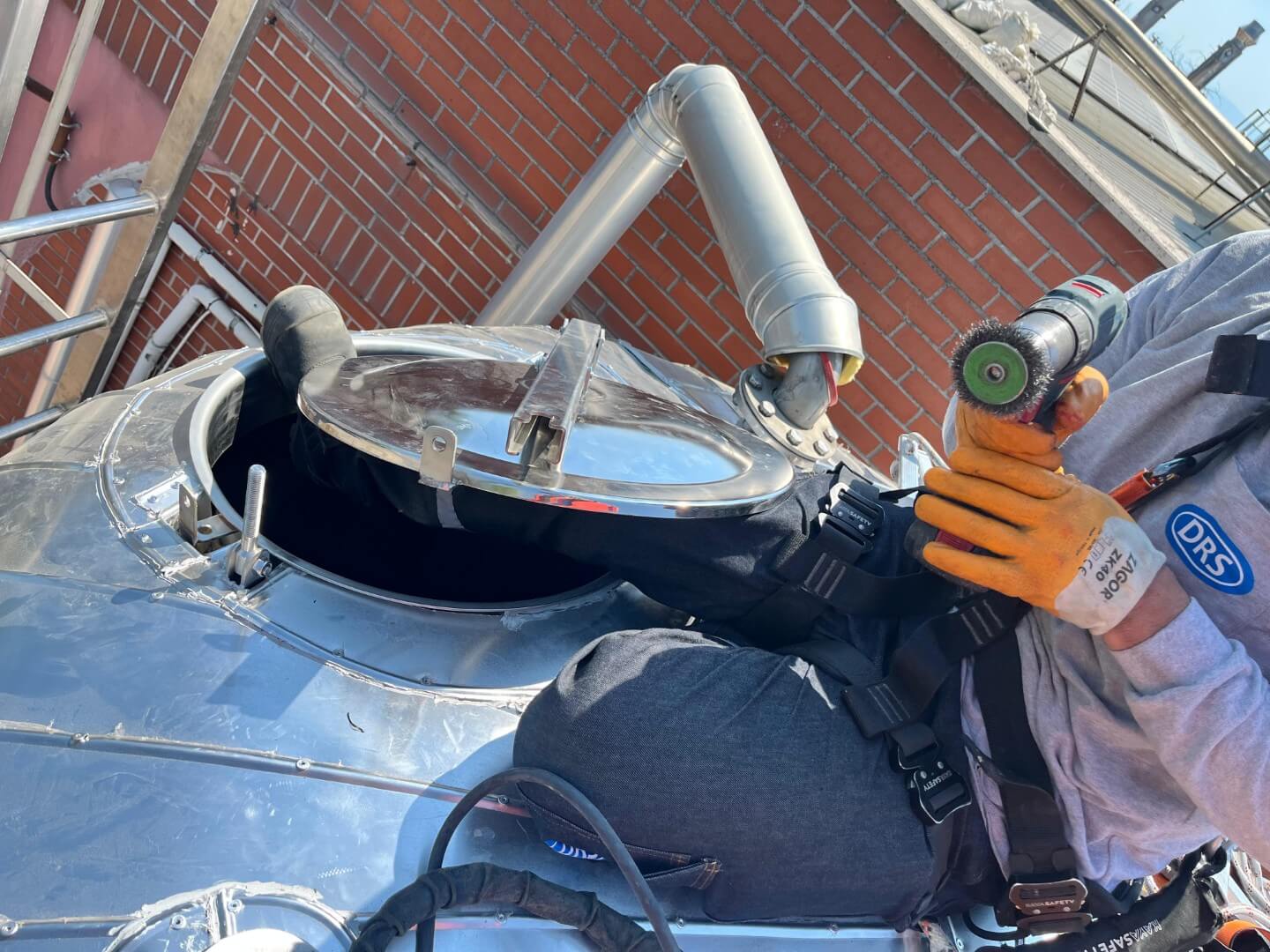
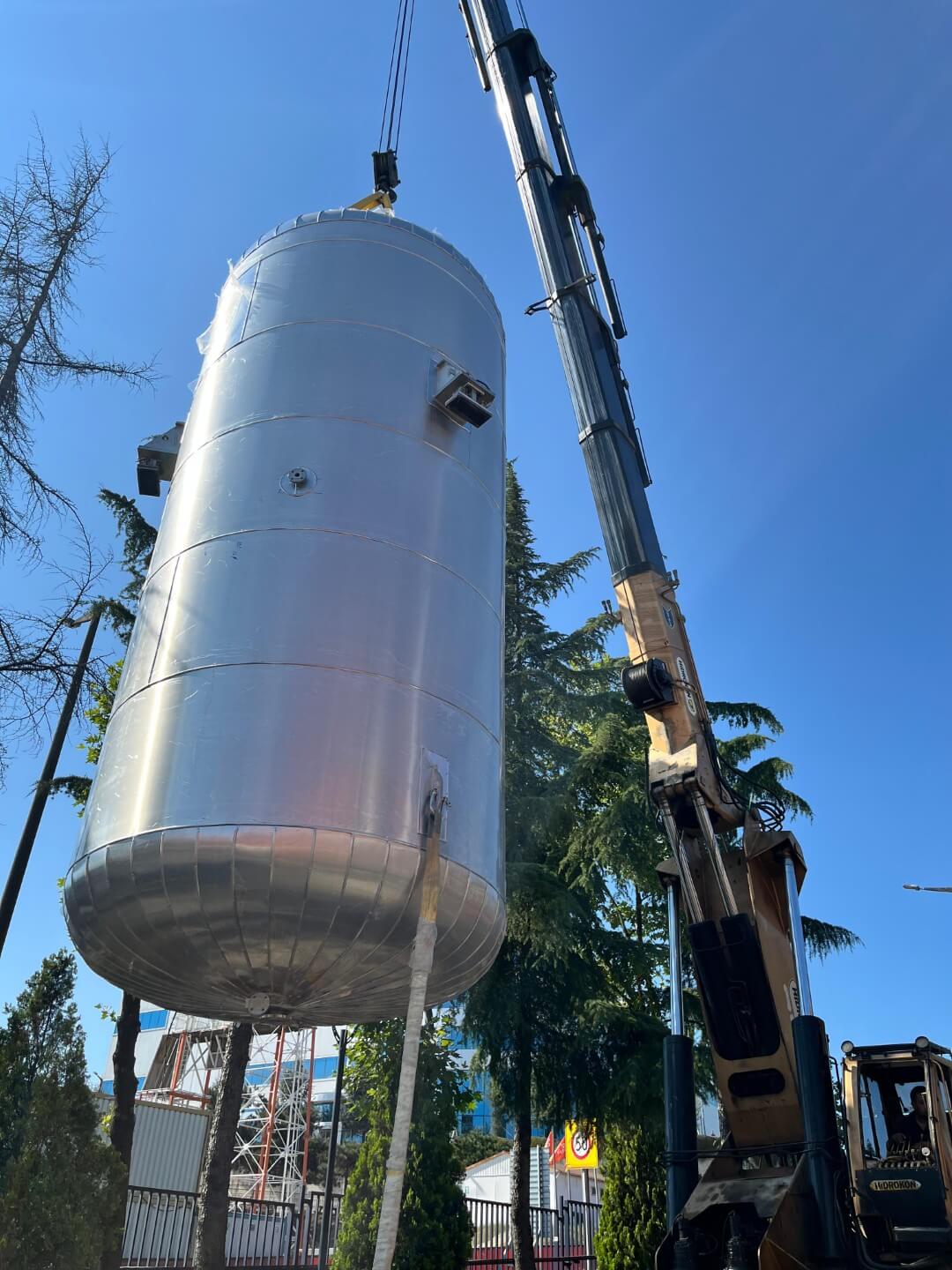
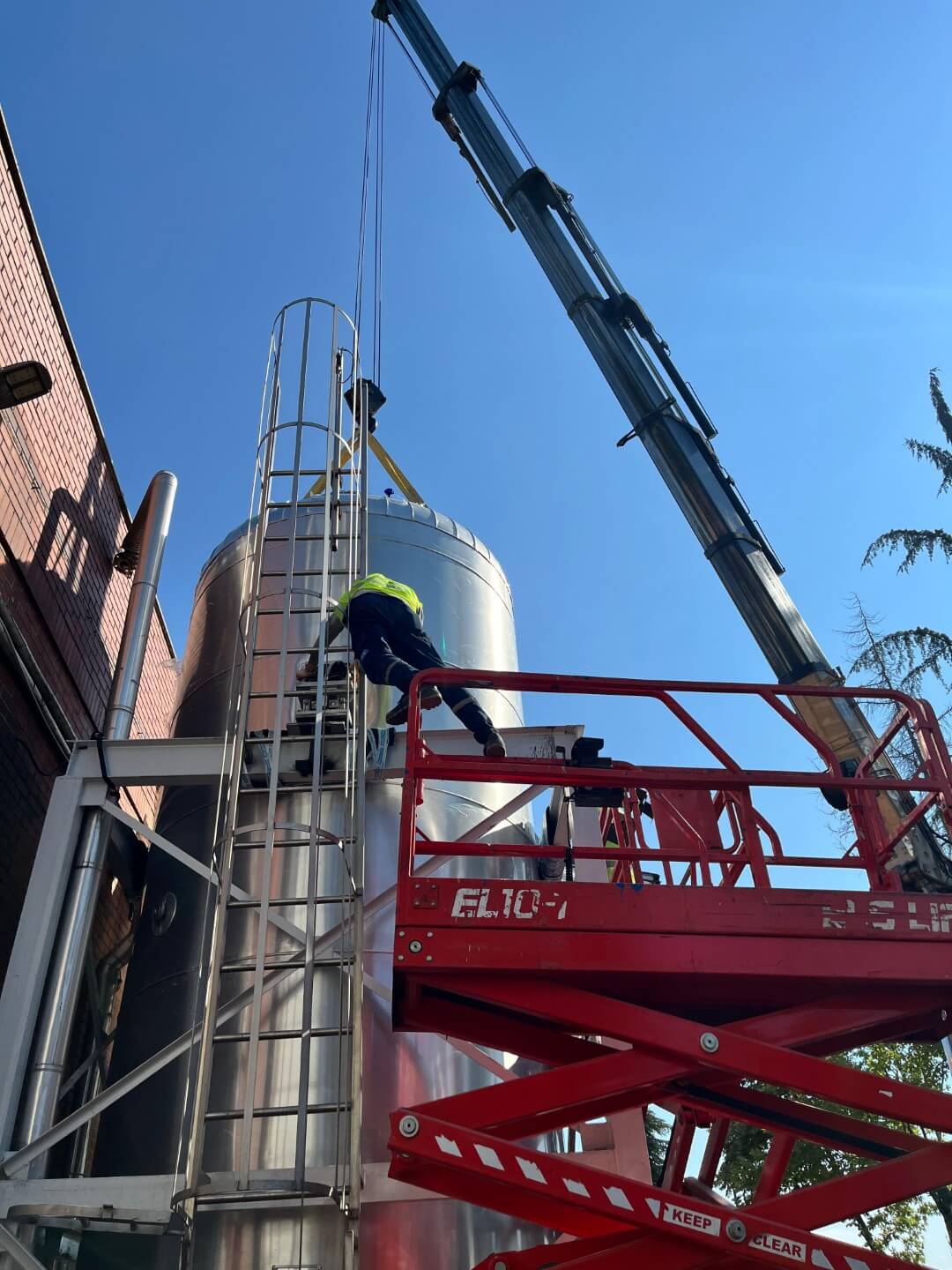
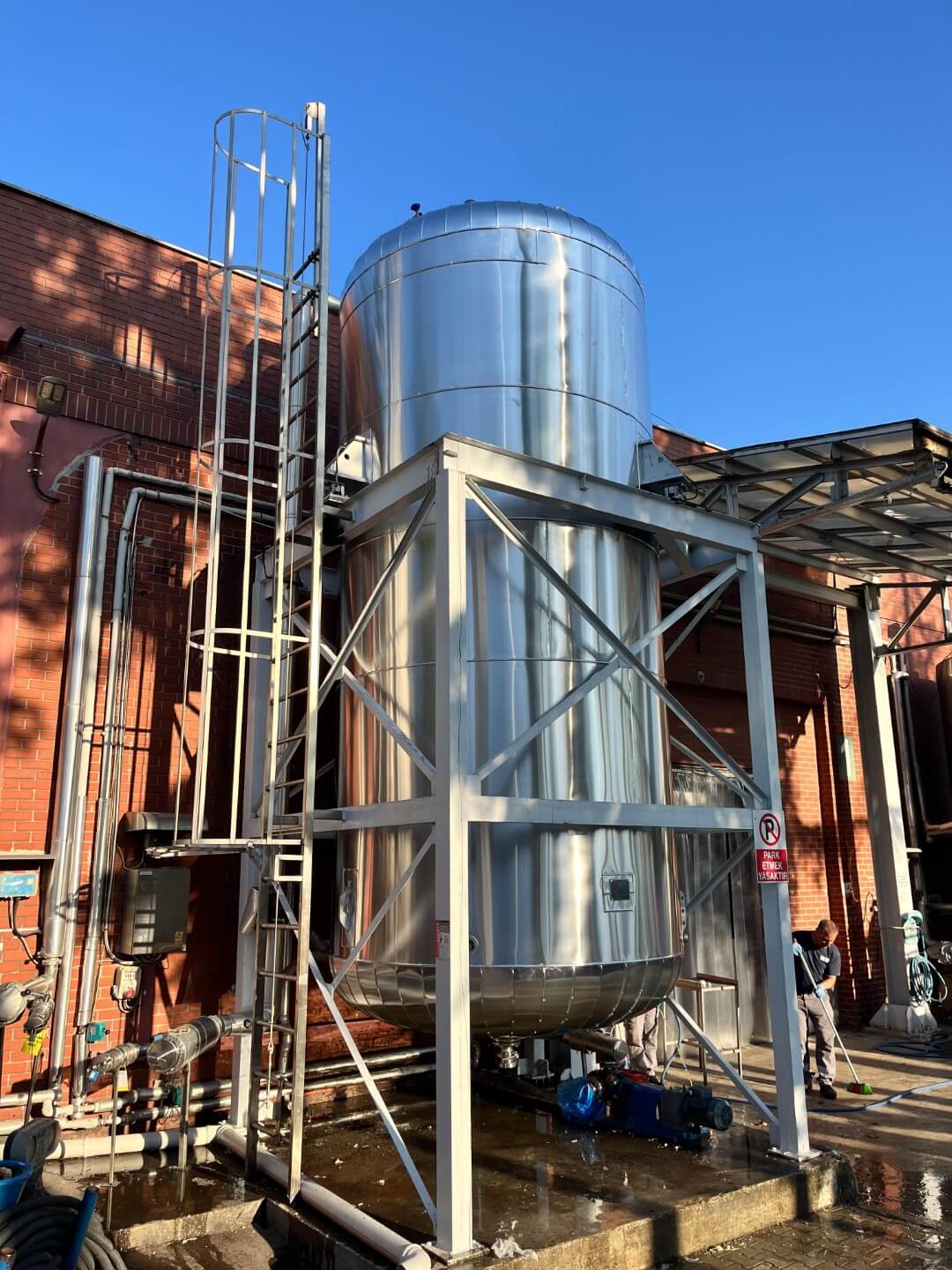
The 30-ton equipment, completed with fabrication and insulation at our factory, was securely transported to the installation site by leveraging the strategic logistics opportunities of the Kocaeli and Gebze regions. Detailed lifting plans were executed by DRS Makina field teams to safely position the tank within the existing steel structure. Flexible mounting details were meticulously resolved to prevent additional loads and axial stress on the precision load cell weighing systems integrated with the tank. Within the scope of on-site integration, Piping (spool fabrication) and installation of glucose inlet-outlet lines as well as auxiliary utility lines were completed in accordance with isometric drawings. Following instrumentation connections and final cold/hot checks, the system was commissioned in running condition. This multi-faceted operation has once again demonstrated our company’s strong organizational capacity in turnkey industrial plant installation and Equipment Installation.