

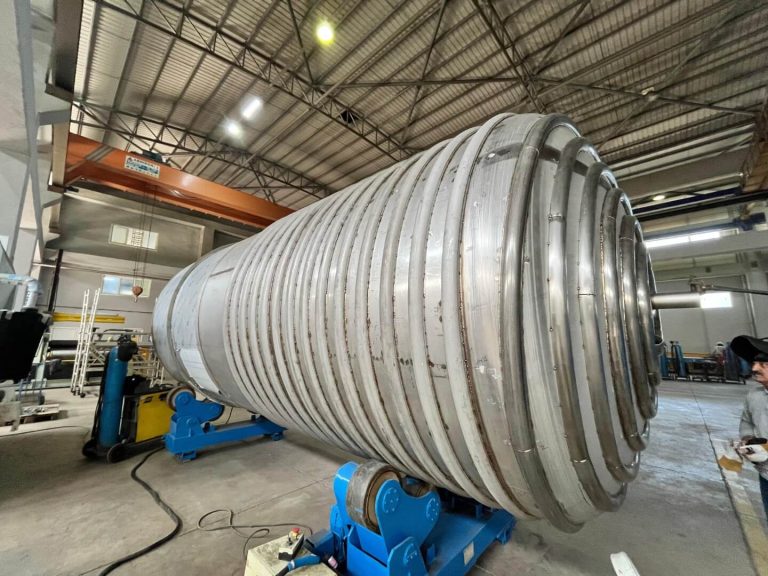
Equipment Fabrication
High-Corrosion Resistant Packing Support Grating and Mist Eliminator Pedestal Fabrication
About the Project
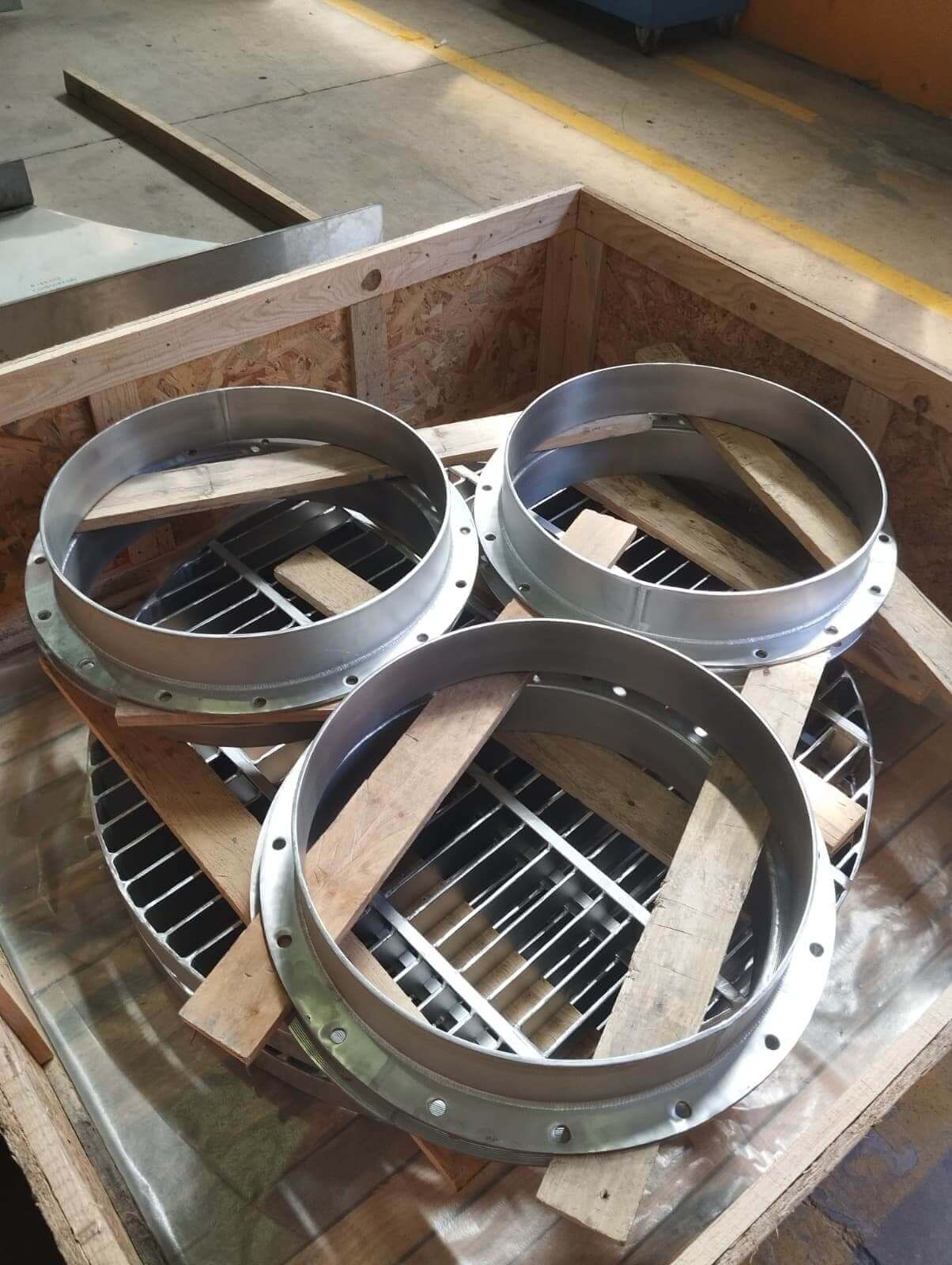
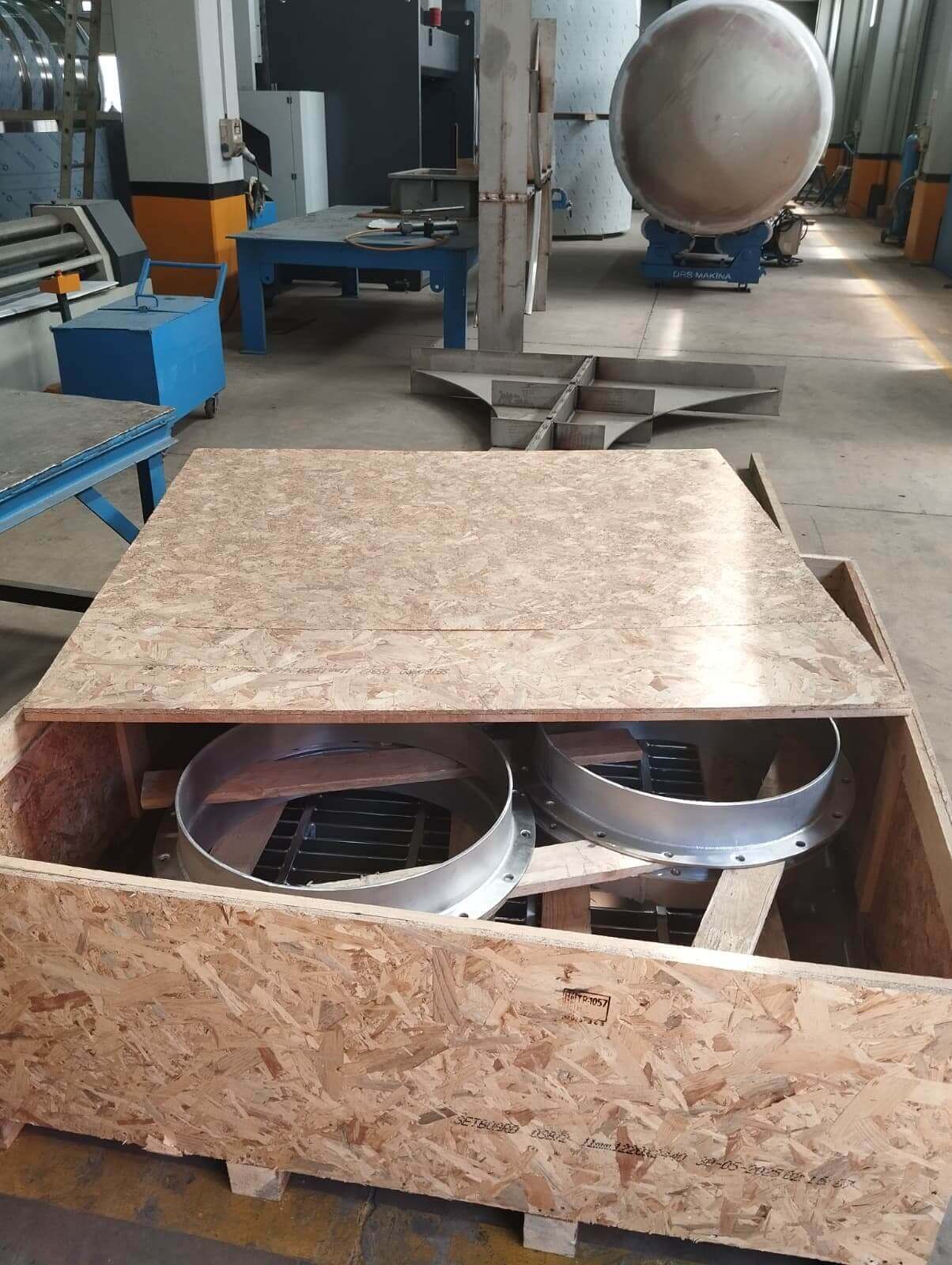
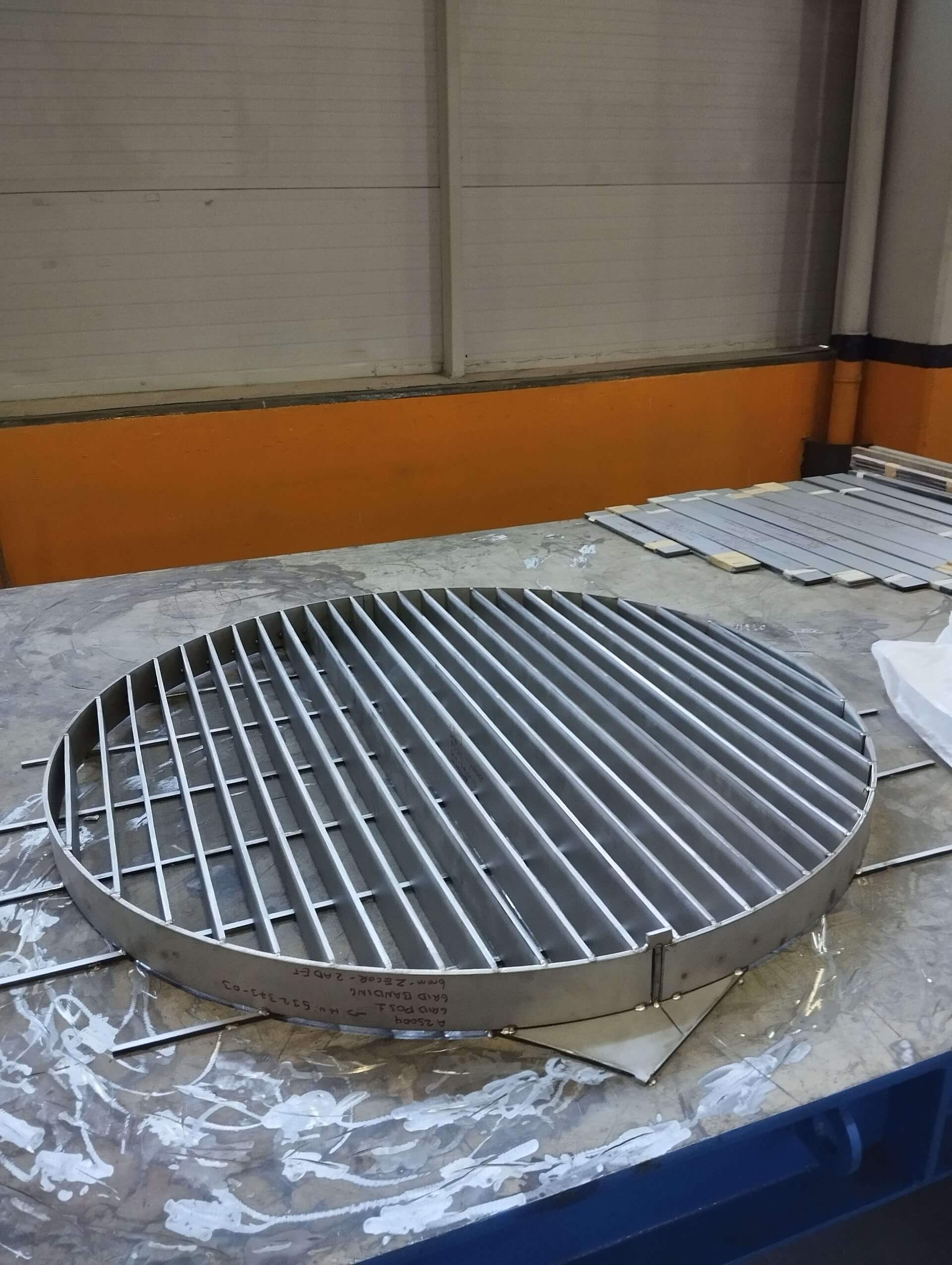
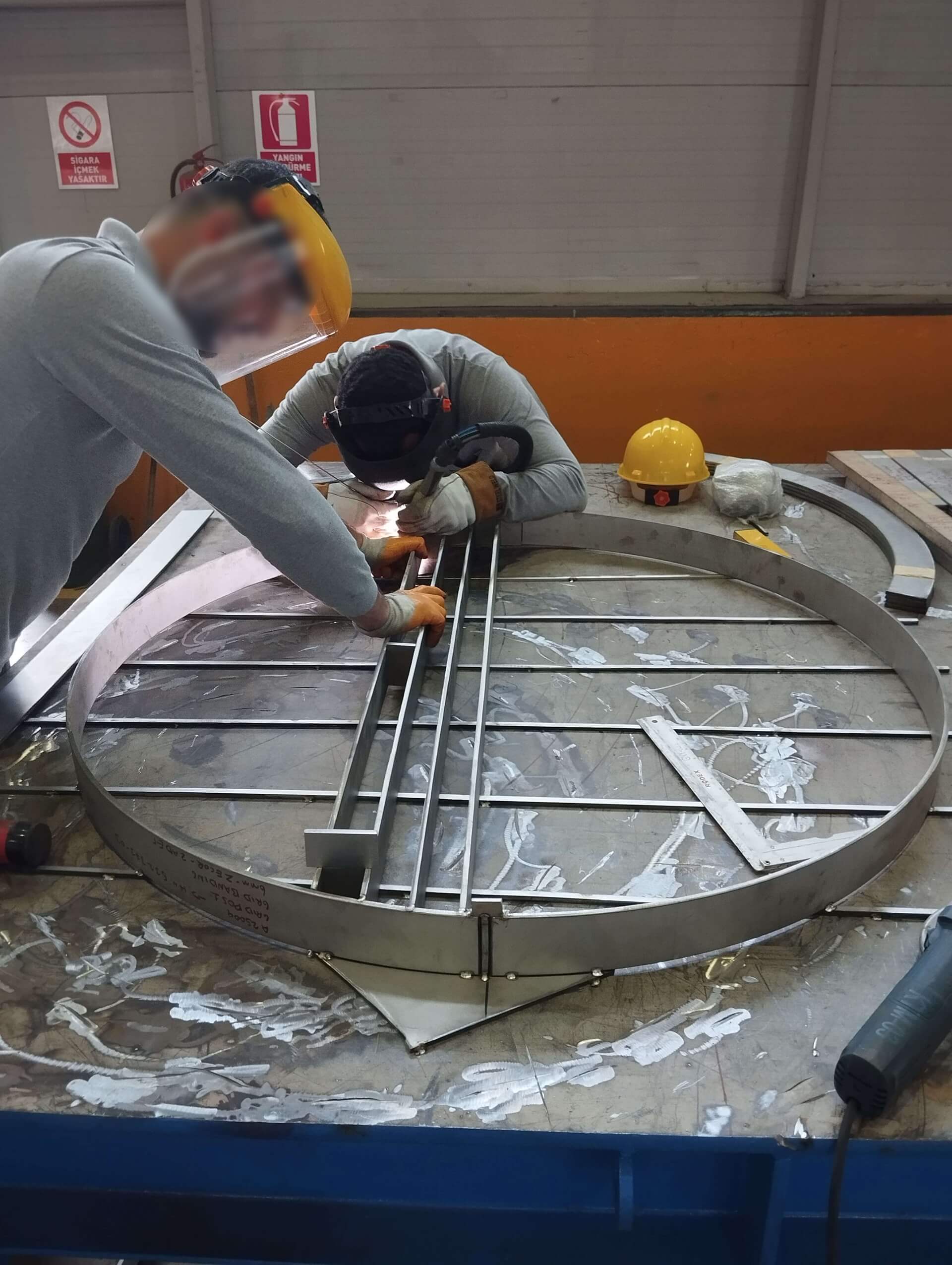
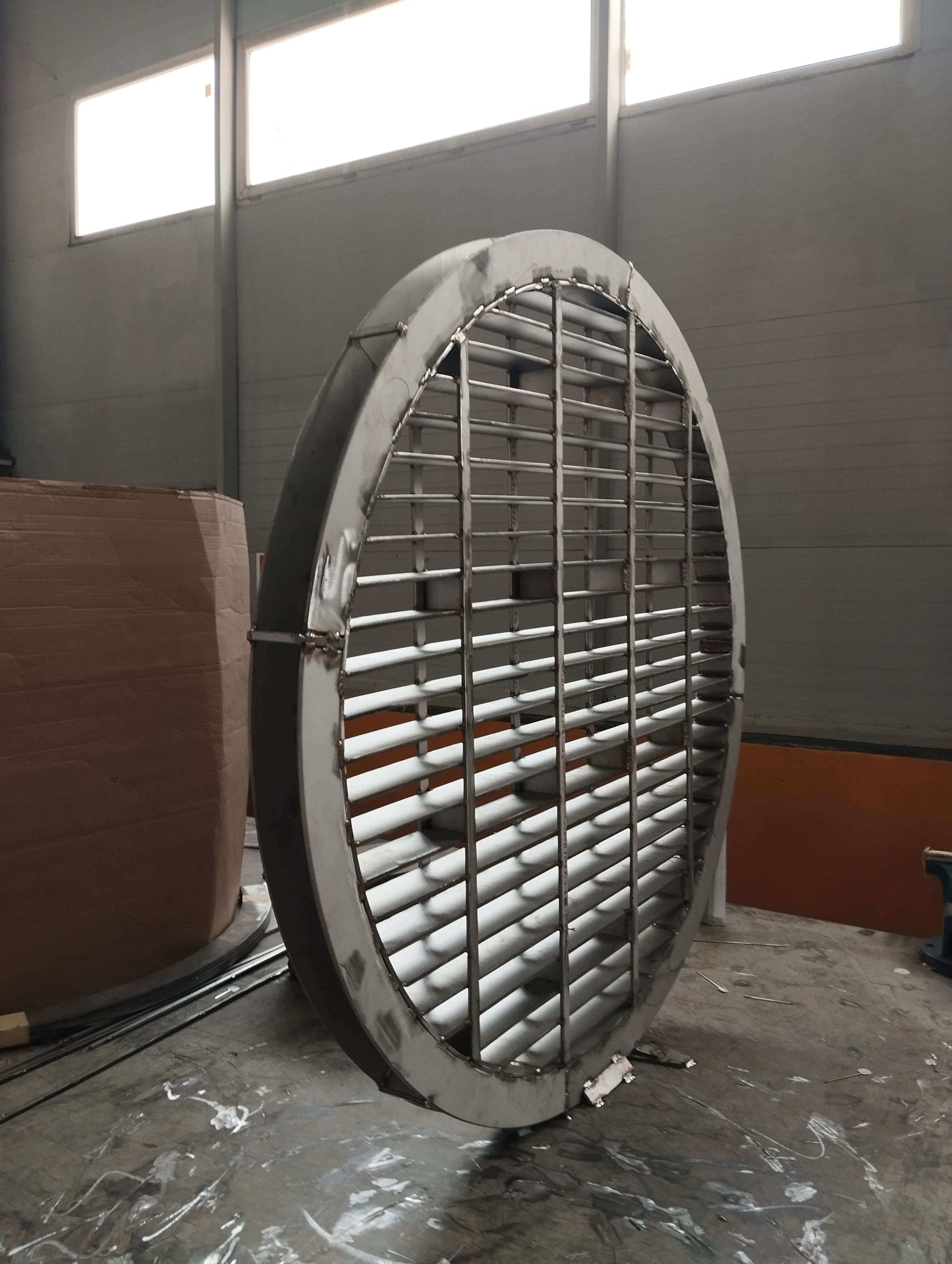
Fabrication of High-Corrosion Resistant Packing Support Grating and Mist Eliminator Pedestal
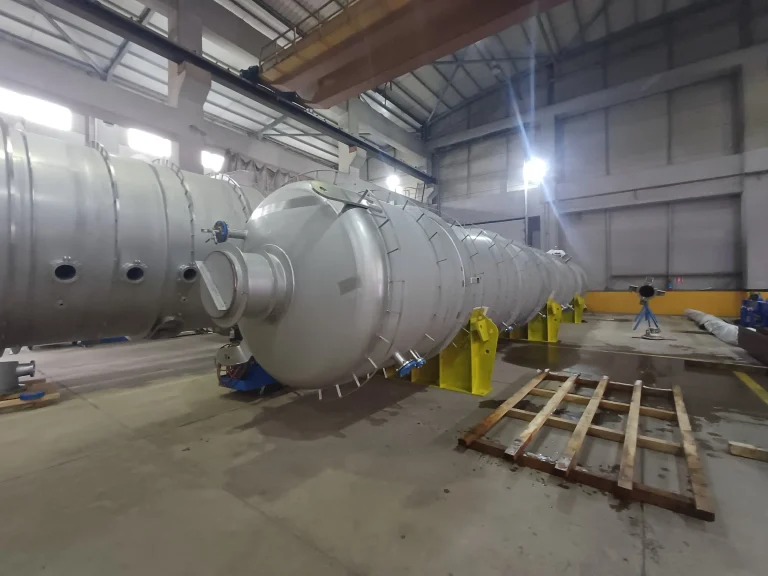
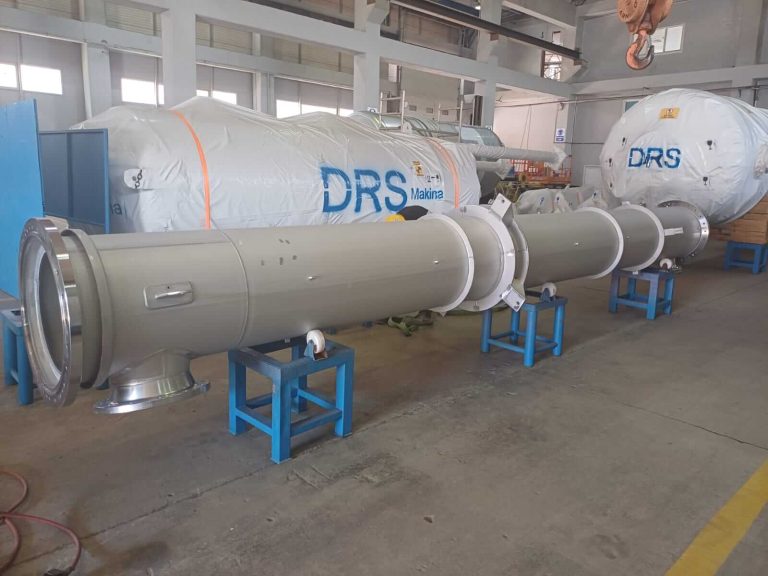
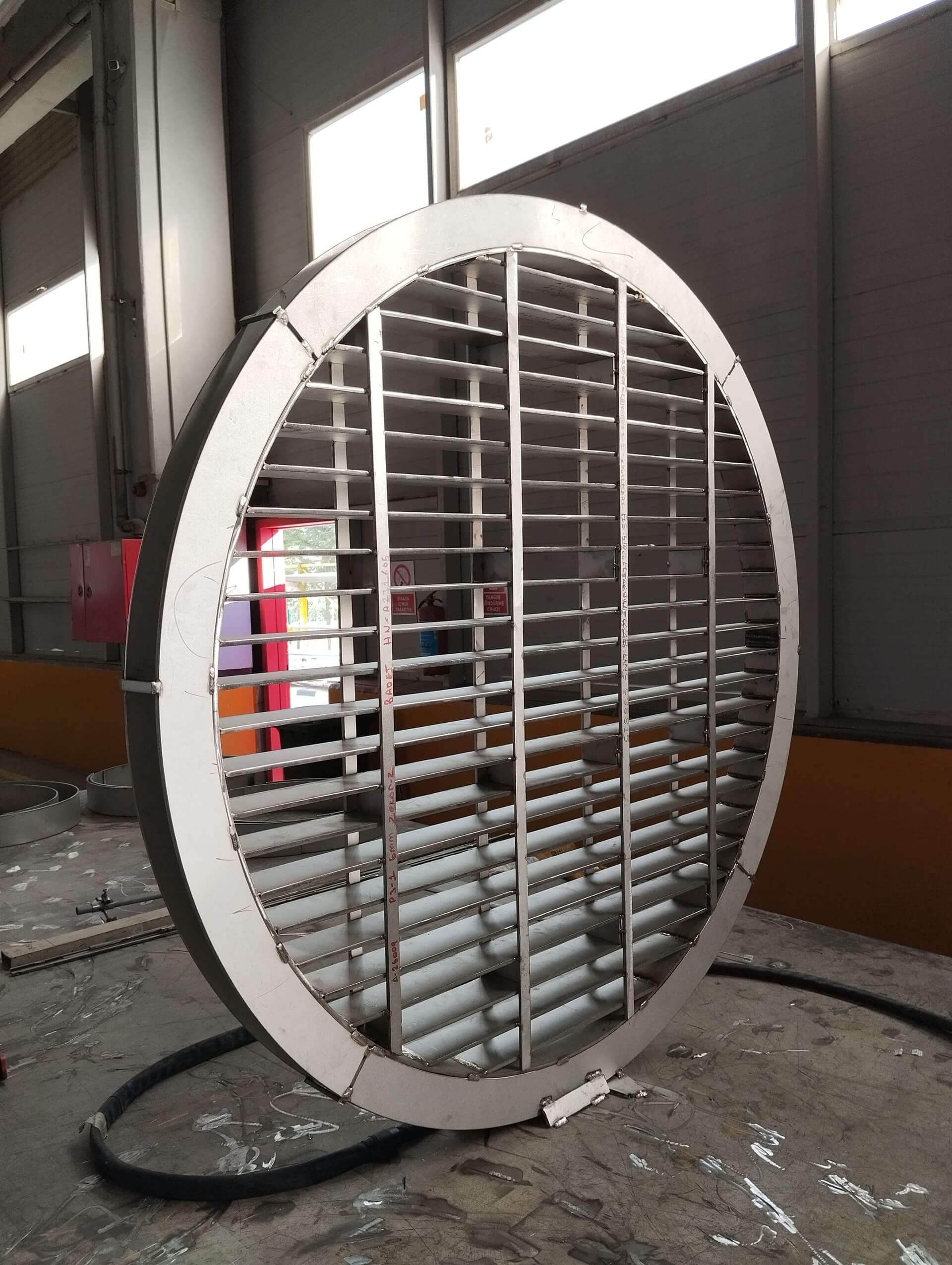
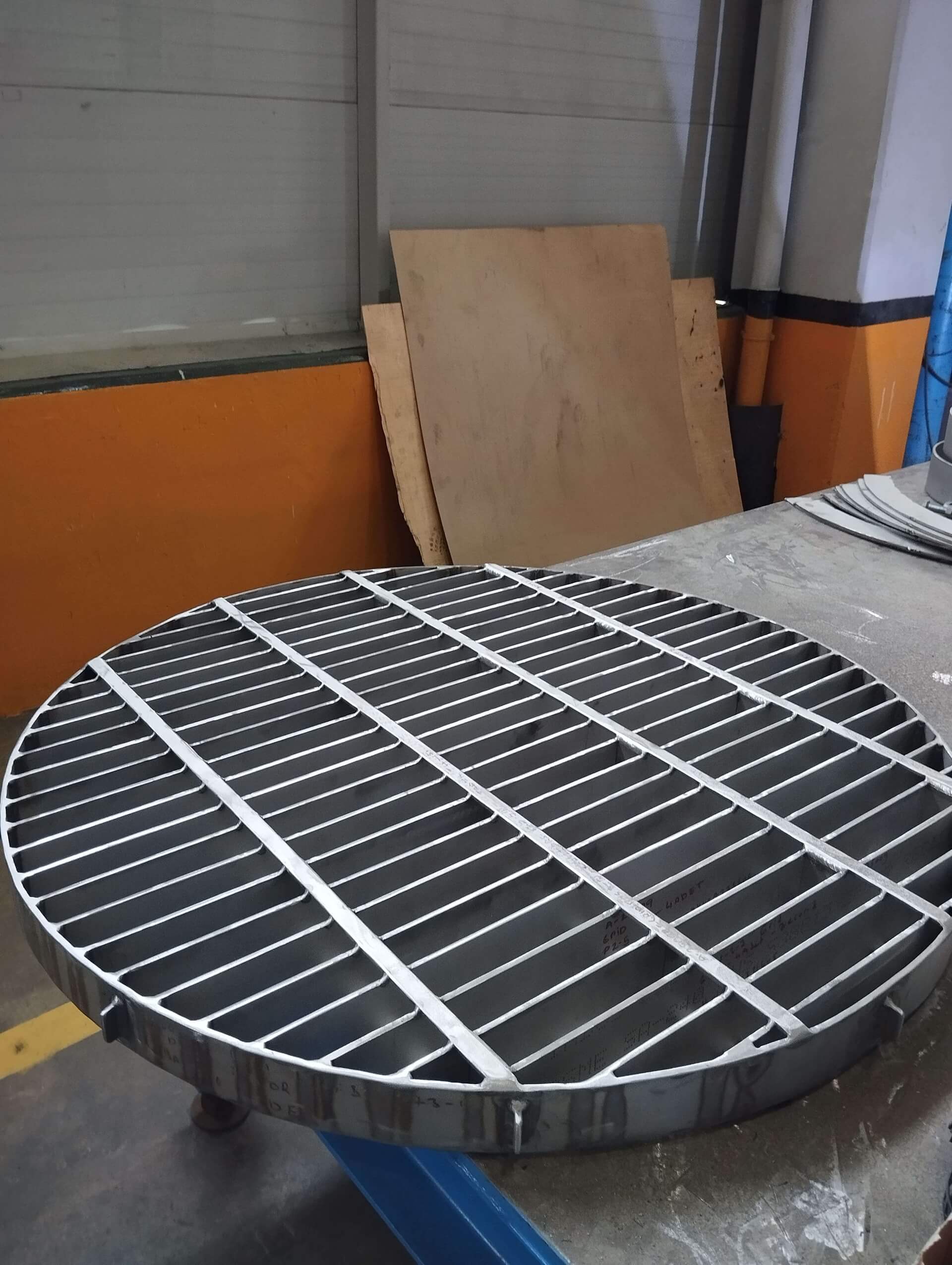
One of the most critical factors determining the operational efficiency and equipment lifecycle of industrial plants is material resistance against severe chemical environments. DRS Makina has successfully completed the fabrication of critical process equipment for a global solution partner recognized as a worldwide authority in sulfuric acid technologies and sulfur-based processes. Within the scope of the project, packing support gratings and mist eliminator pedestal systems were engineered and fabricated using special alloys with high corrosion resistance.
This project delivers high-level engineering solutions under the Special Equipment category to preserve the structural integrity of equipment, particularly in plants where aggressive chemical reactions occur. The fabrication process was executed in full compliance with international standards (ASME, ISO).
Engineering and Technical Design Processes
During the initial phase of the project, the baseline data provided by the solution partner specializing in sulfuric acid technologies was detailed by the DRS Makina engineering department. Fabrication drawings and cutting plans (nesting) were optimized using 3D modeling techniques in the design processes. At this stage, a balance between minimum material scrap and maximum structural strength was maintained, taking the metallurgical structure of the material into consideration.
The thicknesses and main structural construction details of the equipment were determined based on specific process conditions. In generating the fabrication drawings, technical parameters such as tolerance precision for ease of assembly and material thermal expansion coefficients were meticulously calculated.
Material Technology and Metallurgical Standards
The materials utilized in the project were selected from the premium segment in terms of corrosion resistance and mechanical strength. For the mist eliminator pedestal systems, AISI 304L stainless steel was preferred. The surface finish of the plates used was certified to No.1 standard, and the surface roughness value was validated as Ra ≥ 5 µm. All stainless steel materials possess EN 10204 3.1 certification, ensuring complete material traceability.
Particularly in sections requiring exceptional corrosion resistance, high-silicon alloys specifically developed for sulfuric acid applications (such as ZeCor-Z, which forms a specialized passivation layer) were utilized. Processing and welding of such special alloys require strict heat input control to preserve the material characteristics.
Certified Welding Operations and Fabrication Methods
The cornerstone of DRS Makina’s fabrication quality relies on our welding personnel certified in accordance with ASME Sec. IX norms, alongside approved WPS (Welding Procedure Specification) and PQR (Procedure Qualification Record) documentation. Throughout the project, TIG (GTAW) and MIG/MAG (GMAW) welding methods were applied under a controlled atmosphere to prevent any degradation of the material’s corrosion resistance.
- Grating Fabrication: Manufactured as a 2-piece modular system to provide logistics and assembly advantages.
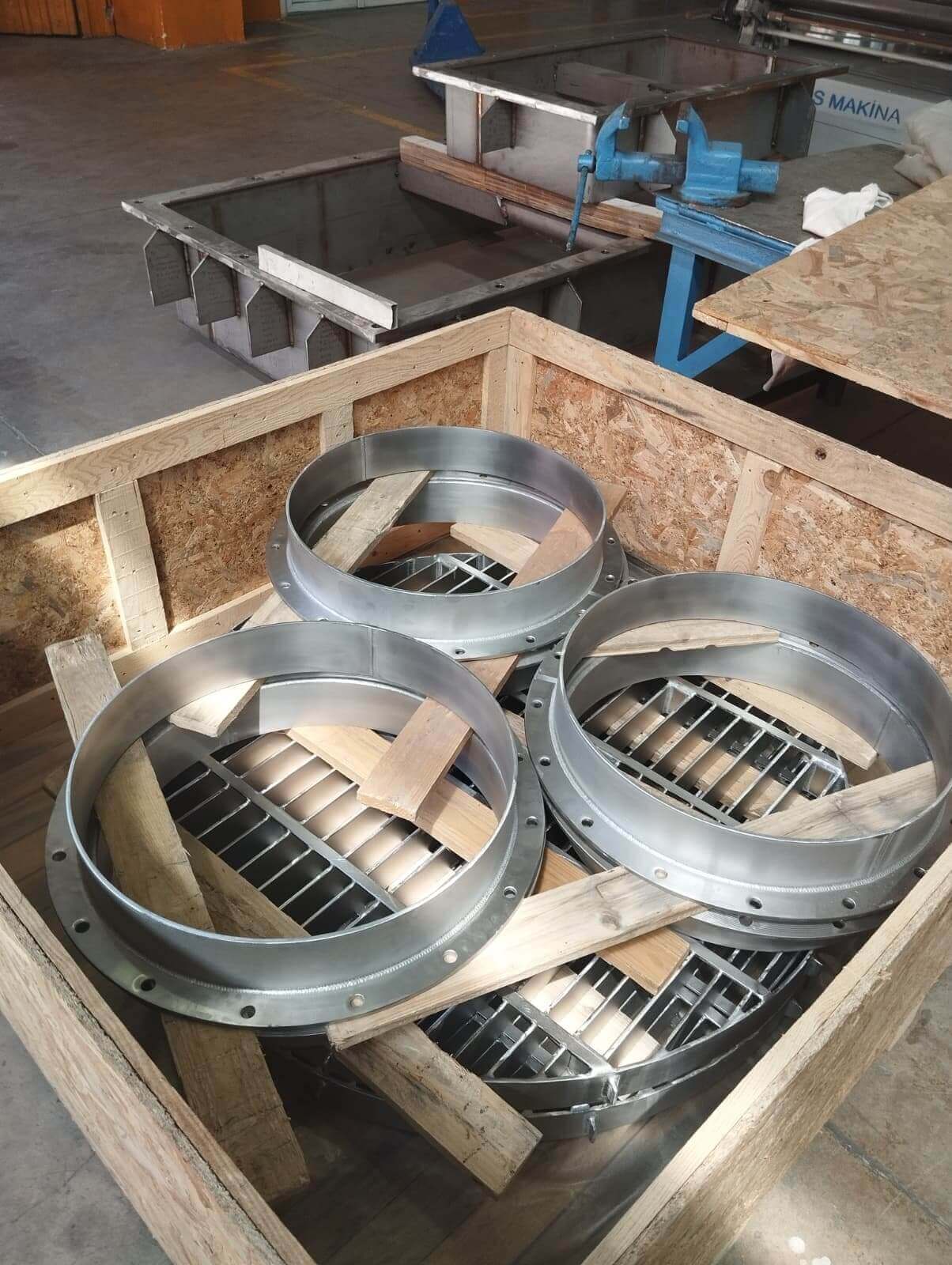
- Pedestal Systems: Fabricated in a single-piece (monobloc) structure, making them immediately ready for the on-site Equipment Installation process.
- Gusset Supports: Structural stability was enhanced by integrating 12 reinforcement elements (gussets) for each grating unit.
Quality Control, NDT, and Surface Treatments
Post-fabrication quality assurance processes were conducted within the framework of the prepared ITP (Inspection and Test Plan). 100% Penetrant Testing (PT) and 100% Visual Testing (VT) were performed on weld seams and material joint areas to eliminate potential discontinuities. Test results were reported by certified NDT personnel and documented in the technical Data Book.
To maximize the corrosion resistance of stainless steel surfaces, a post-fabrication acid passivation process was applied. This metallurgical treatment removes free iron particles from the surface, enabling the material to restore its protective chromium-oxide layer. This specialized surface treatment, which requires no internal grinding or polishing, complies fully with industrial standards.
Documentation and Delivery
Upon project completion, a comprehensive Final Data Book documenting all fabrication processes was prepared in English. This documentation package includes material certificates, dimensional inspection reports, welder certificates, WPS/PQR documents, and NDT reports. The equipment was securely packed on wooden pallets with tarpaulin protection to withstand overseas shipment and harsh site conditions, and was dispatched in accordance with FCA delivery terms.