

Equipment Fabrication
Fabrication of High-Corrosion Resistant Pump Tank for Sulfuric Acid Plant
About the Project
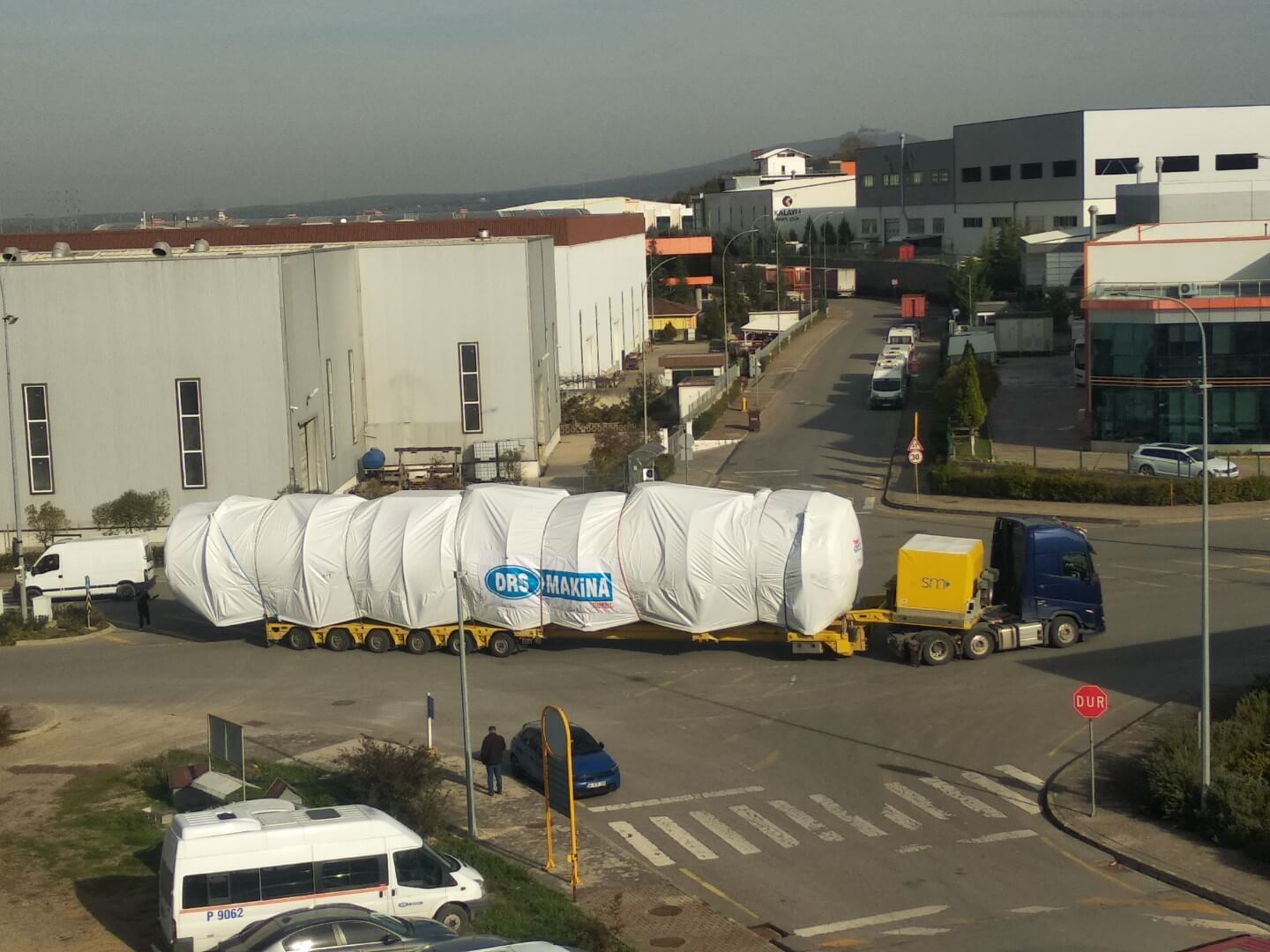
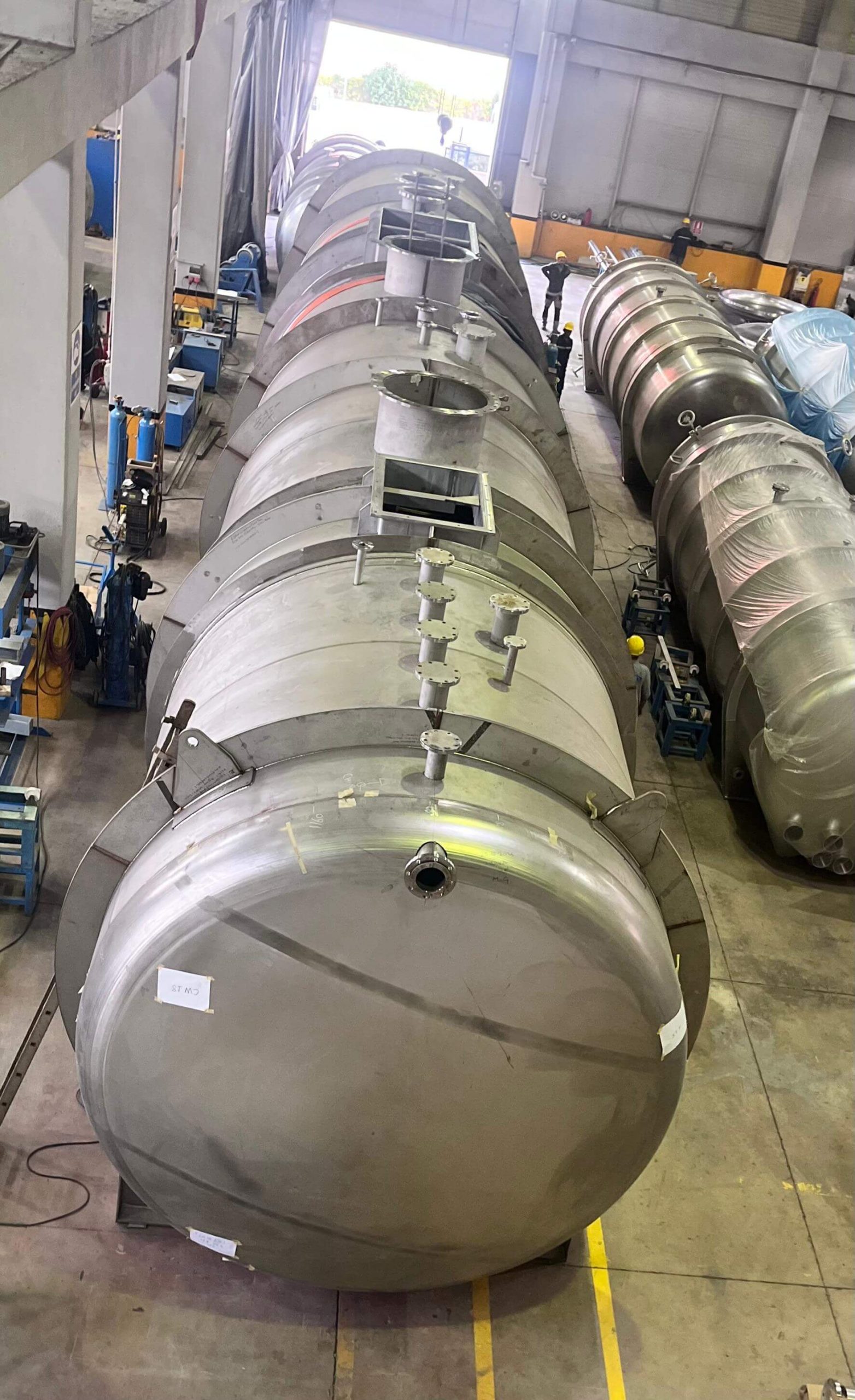
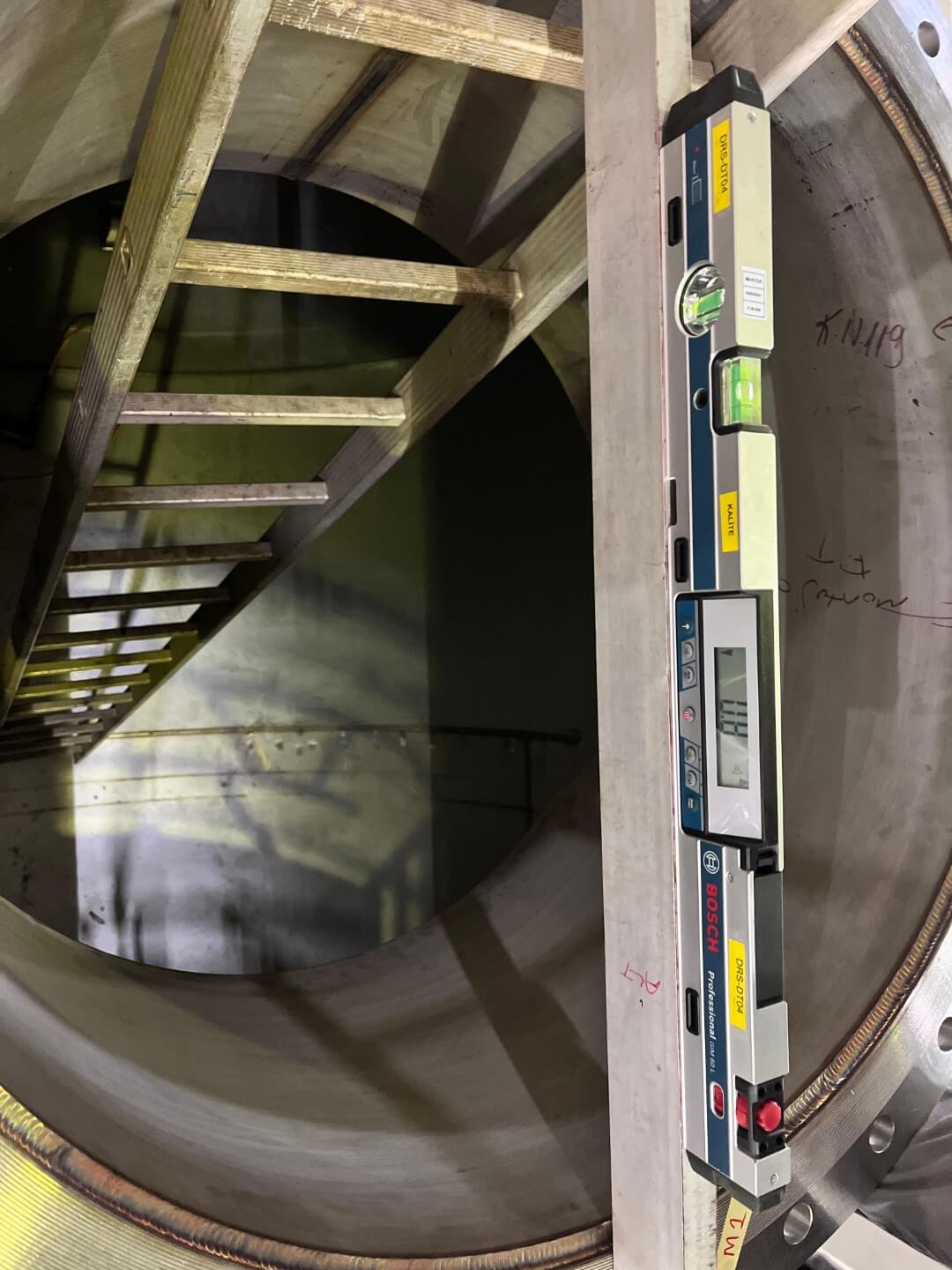
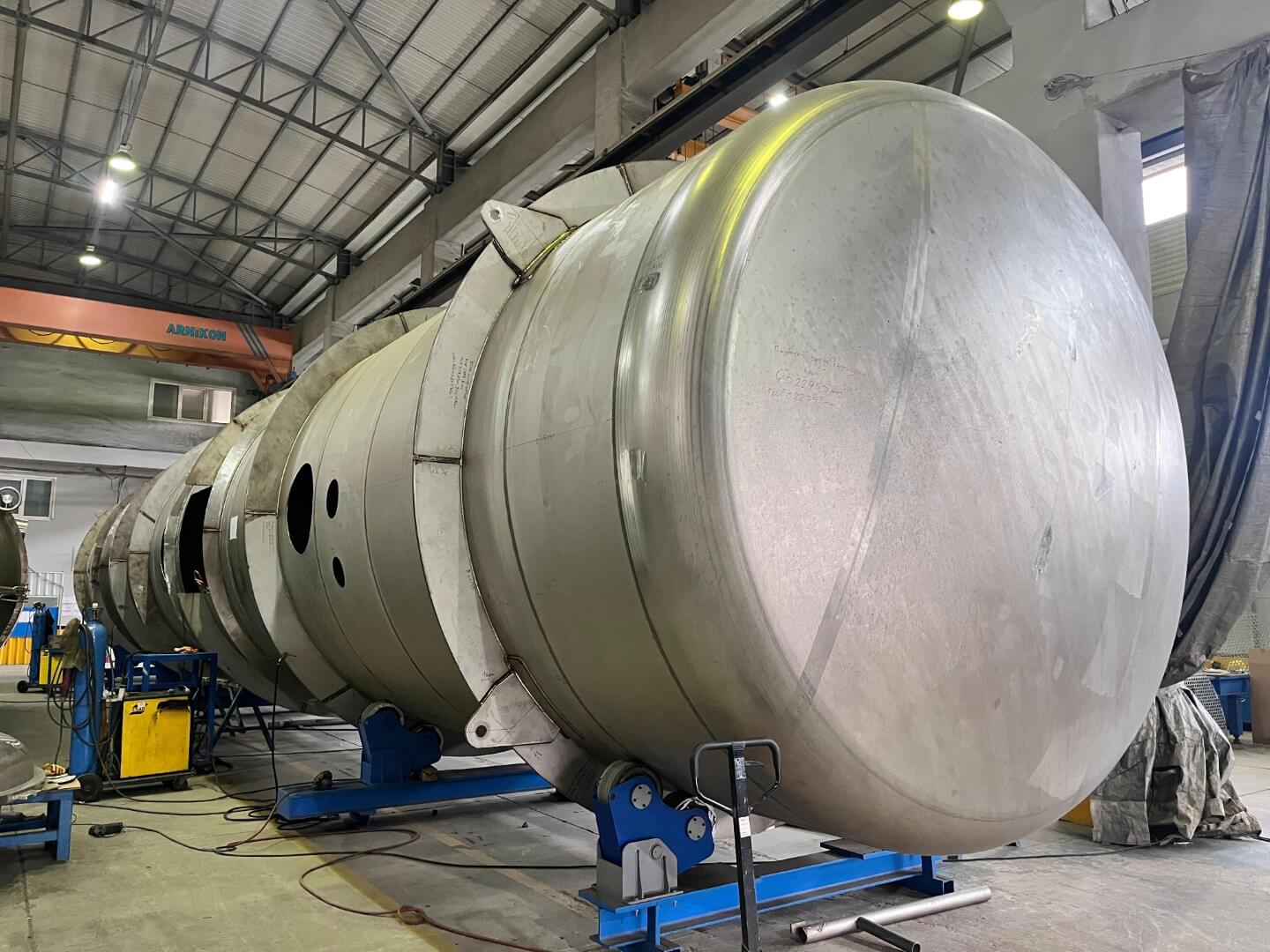
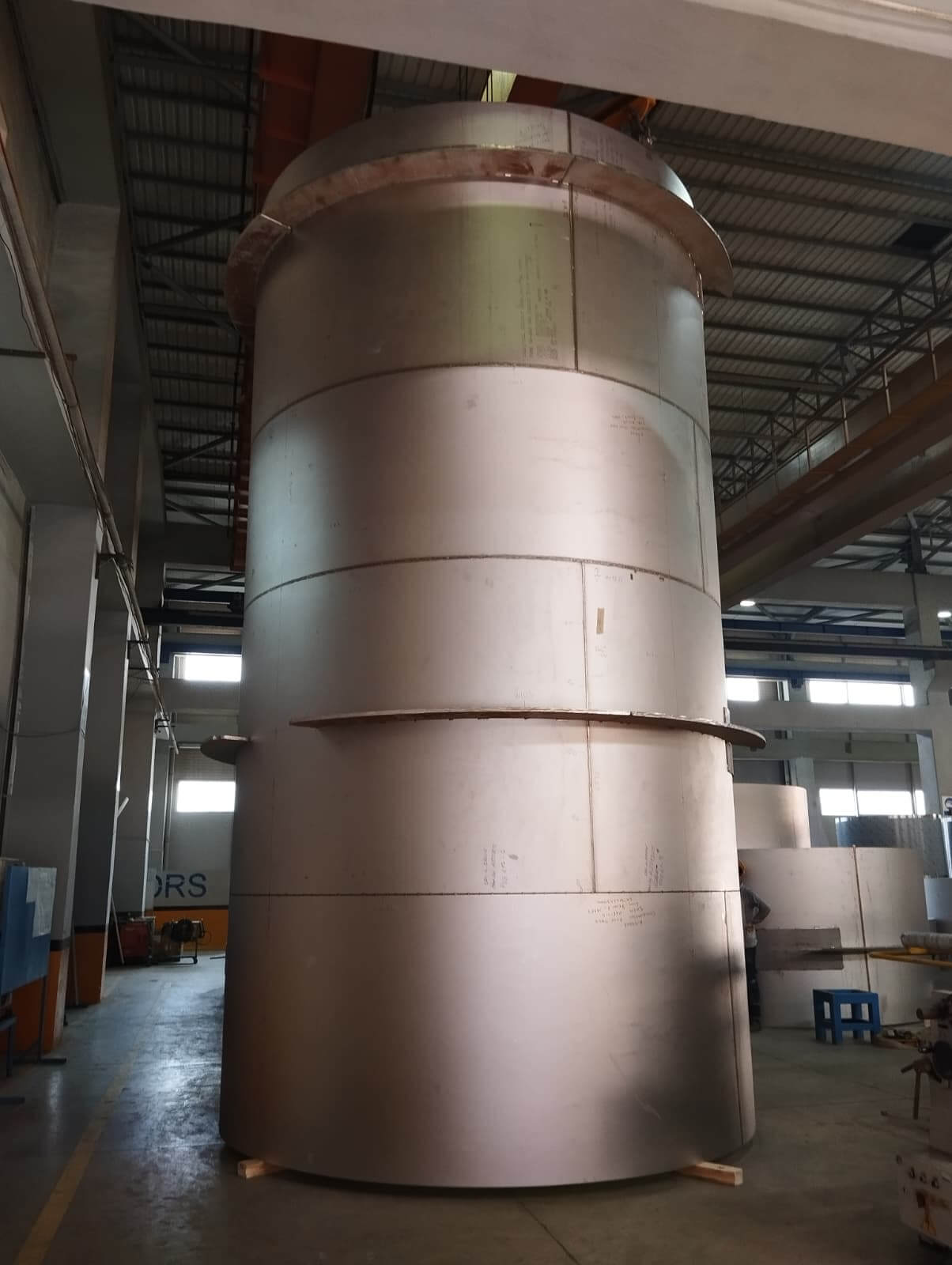
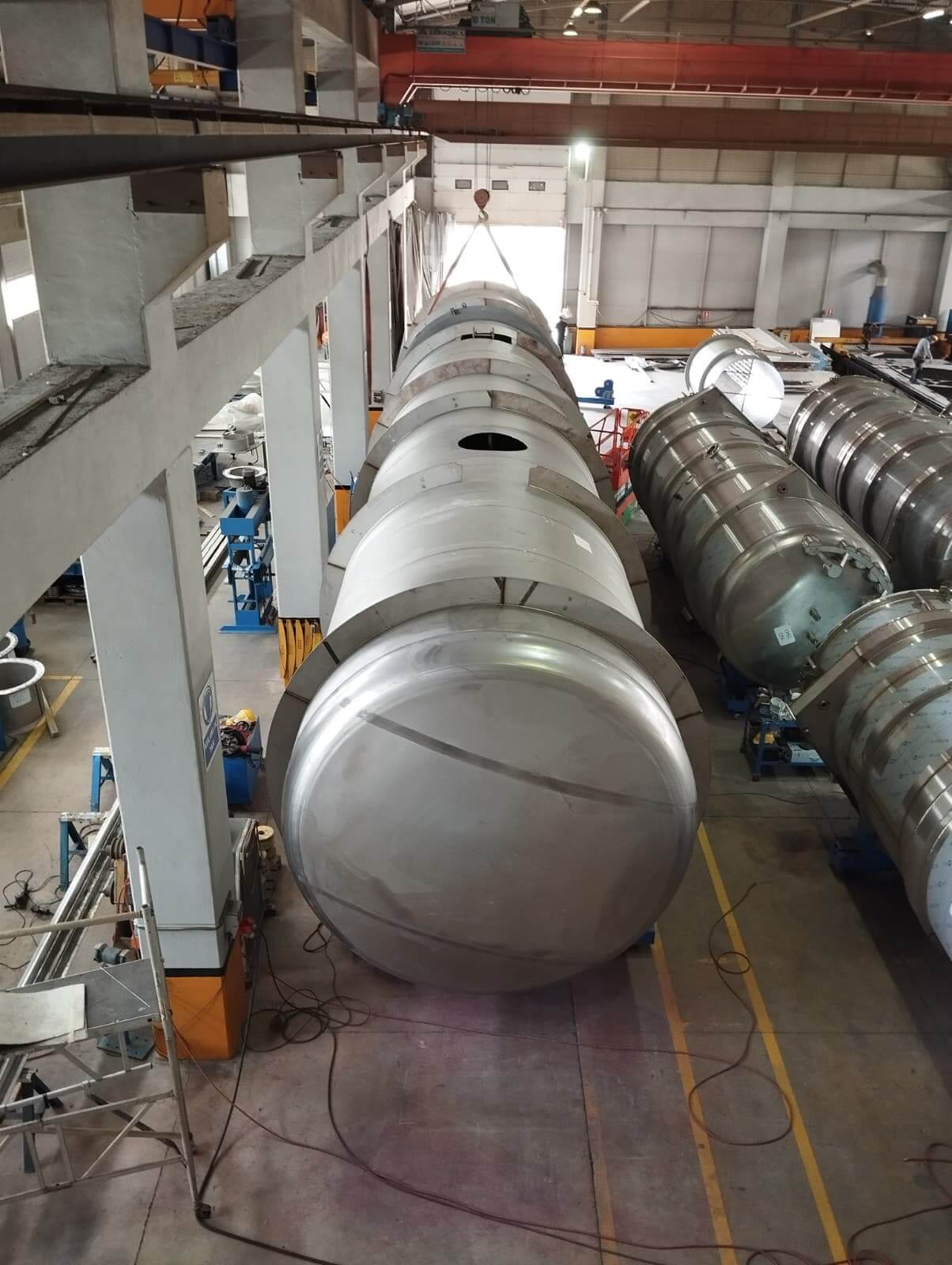
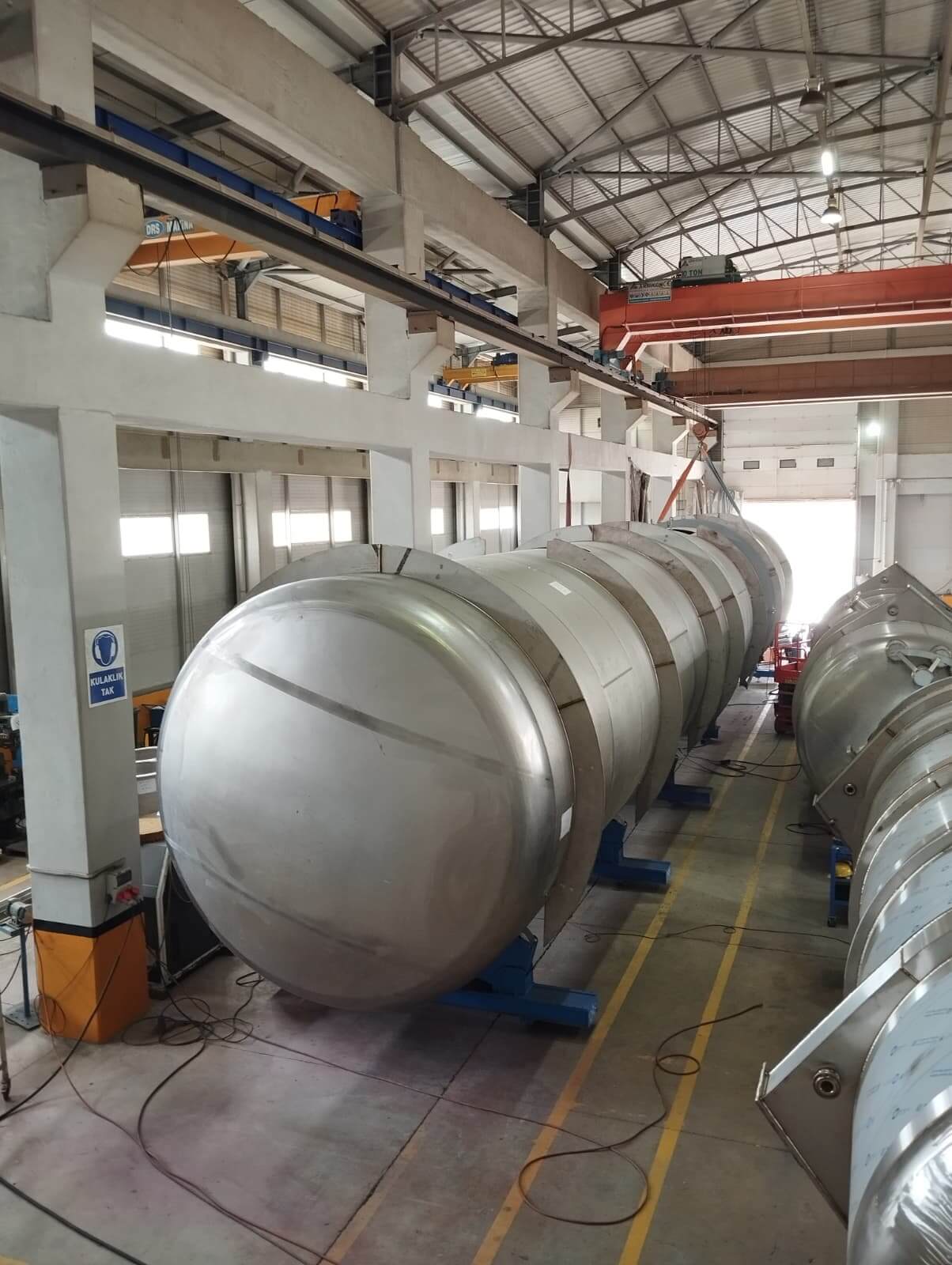
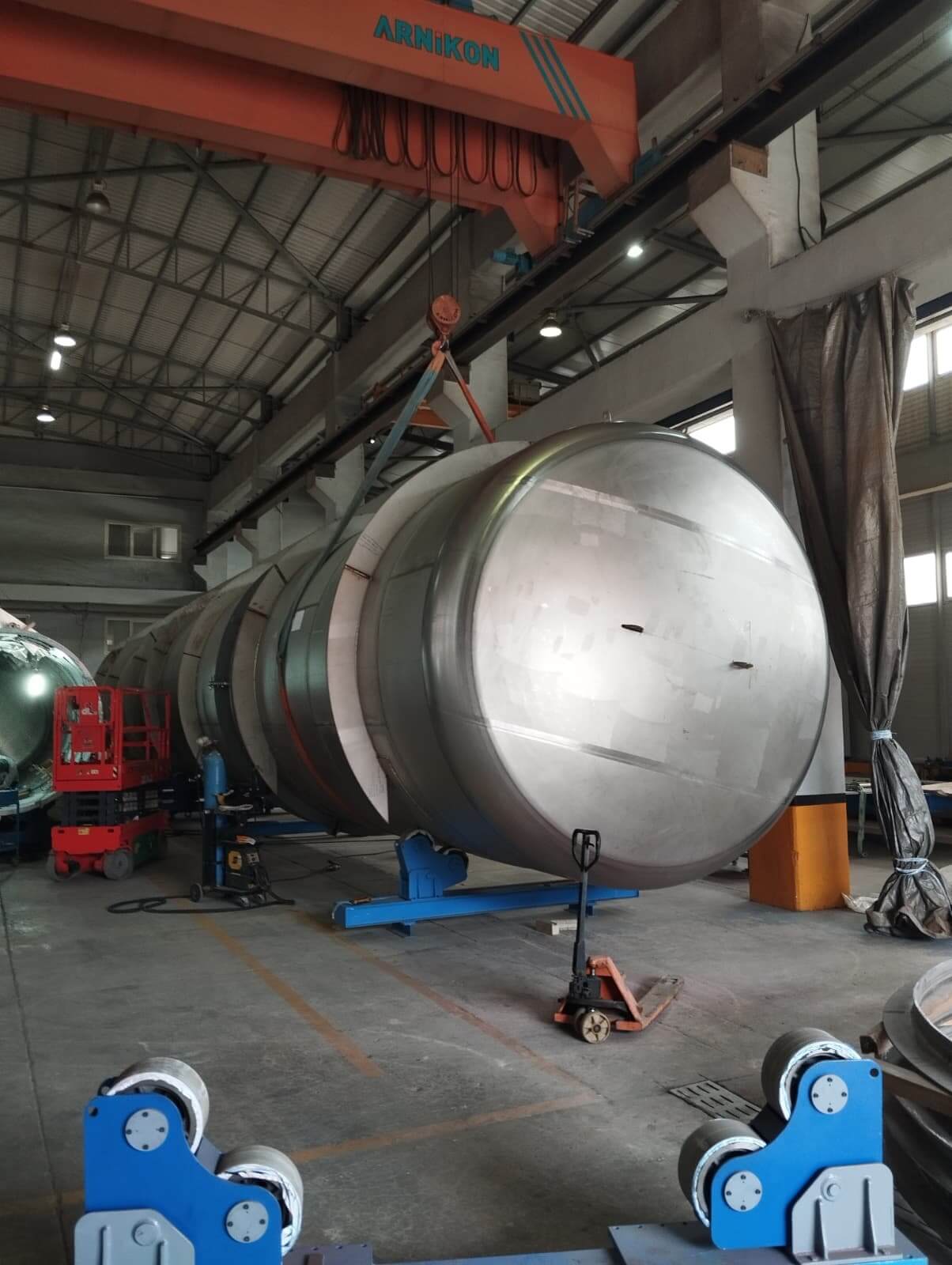
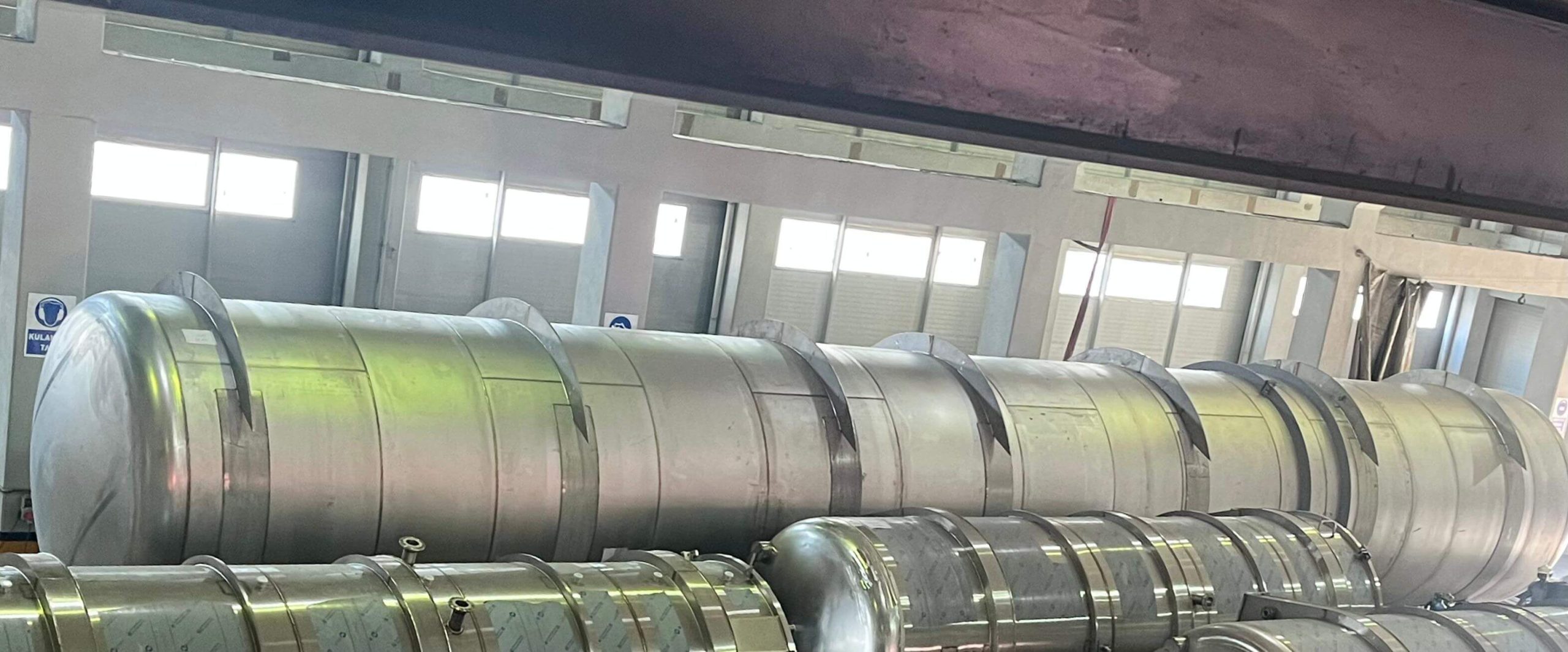
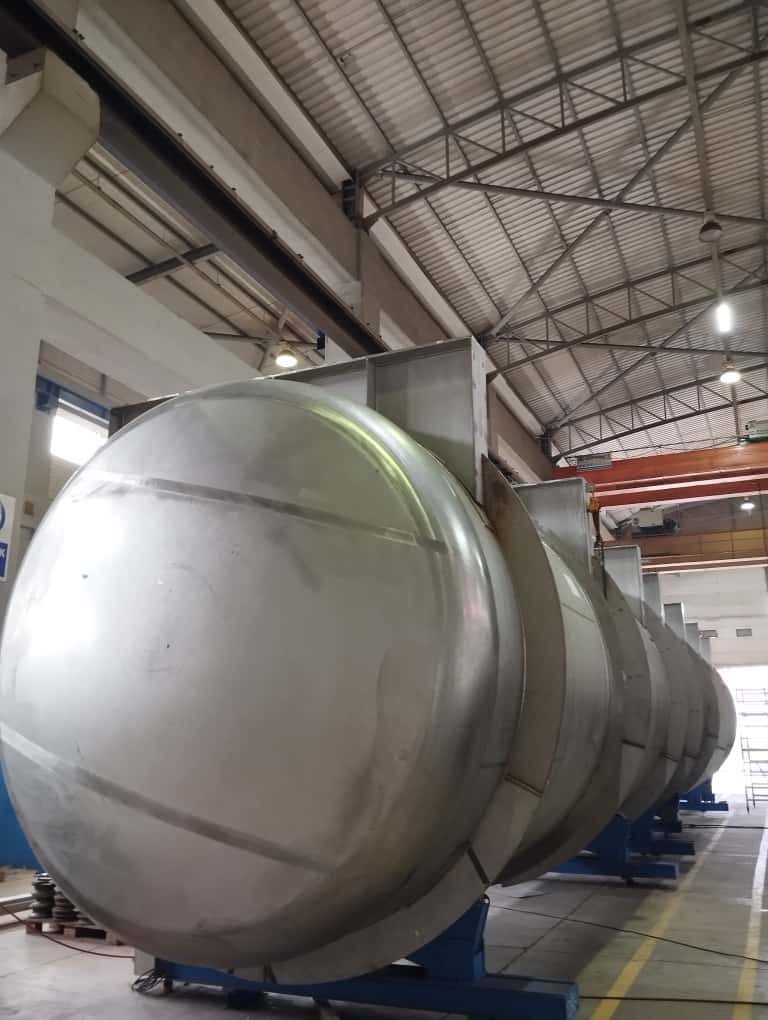
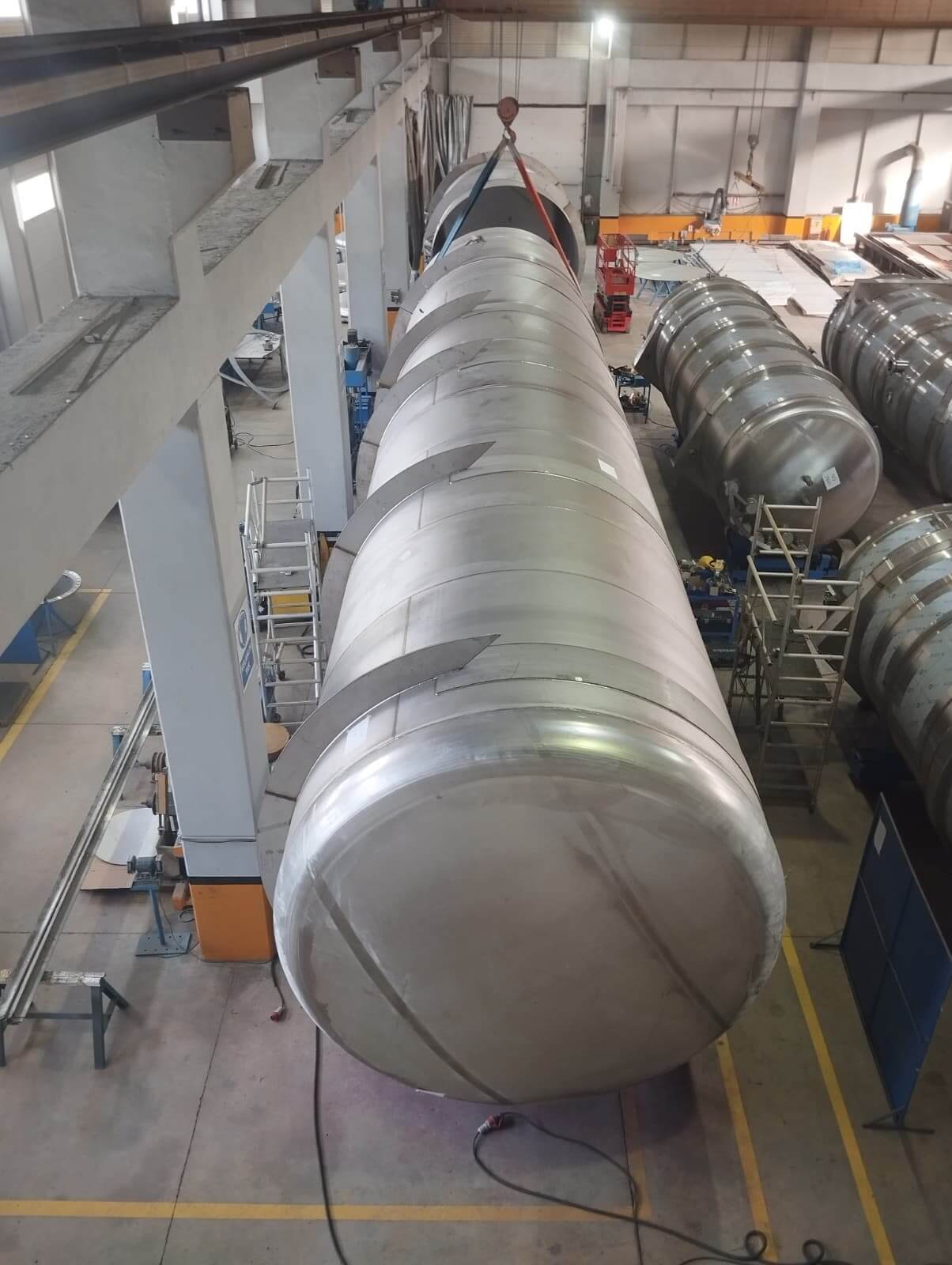
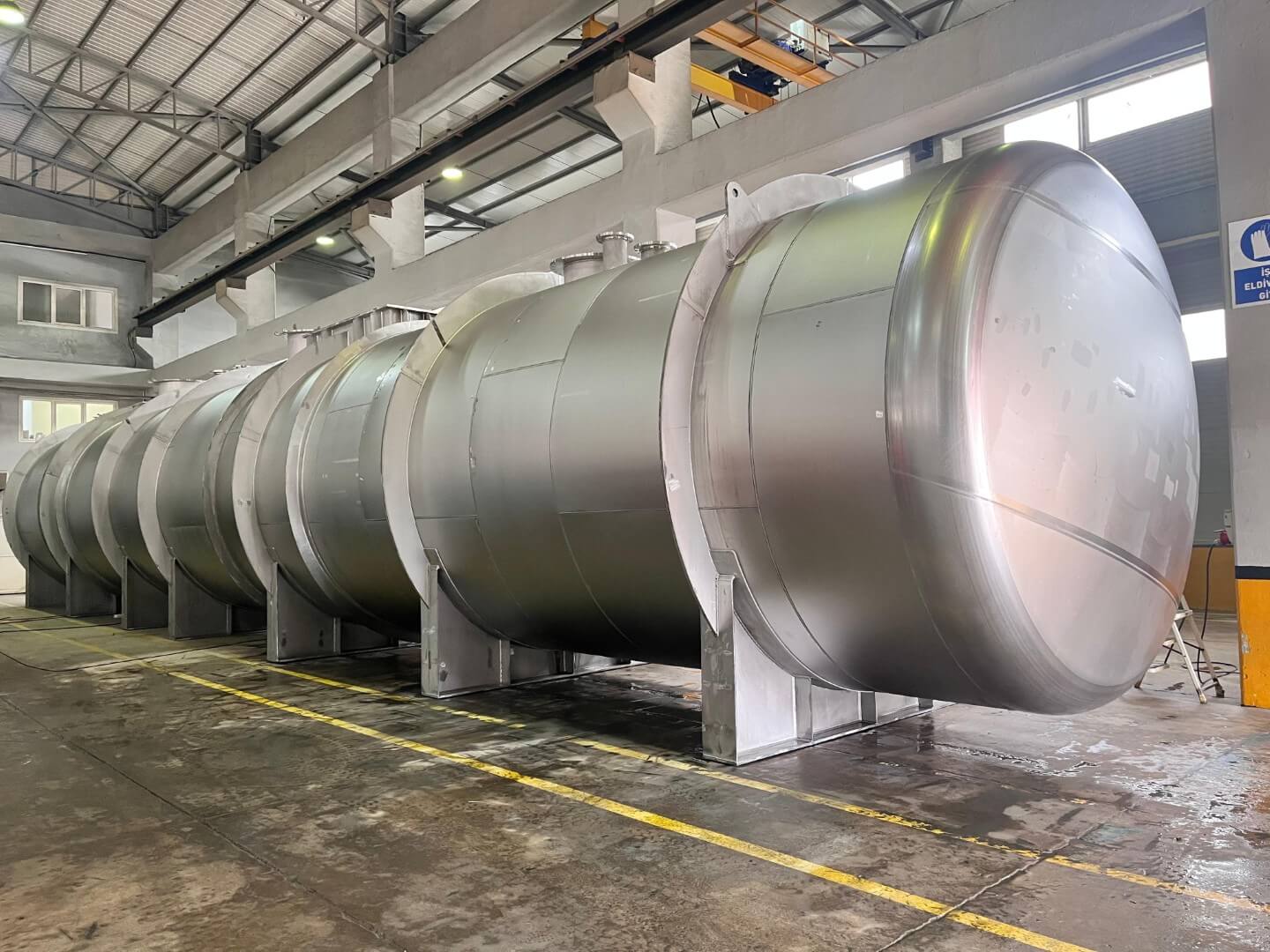
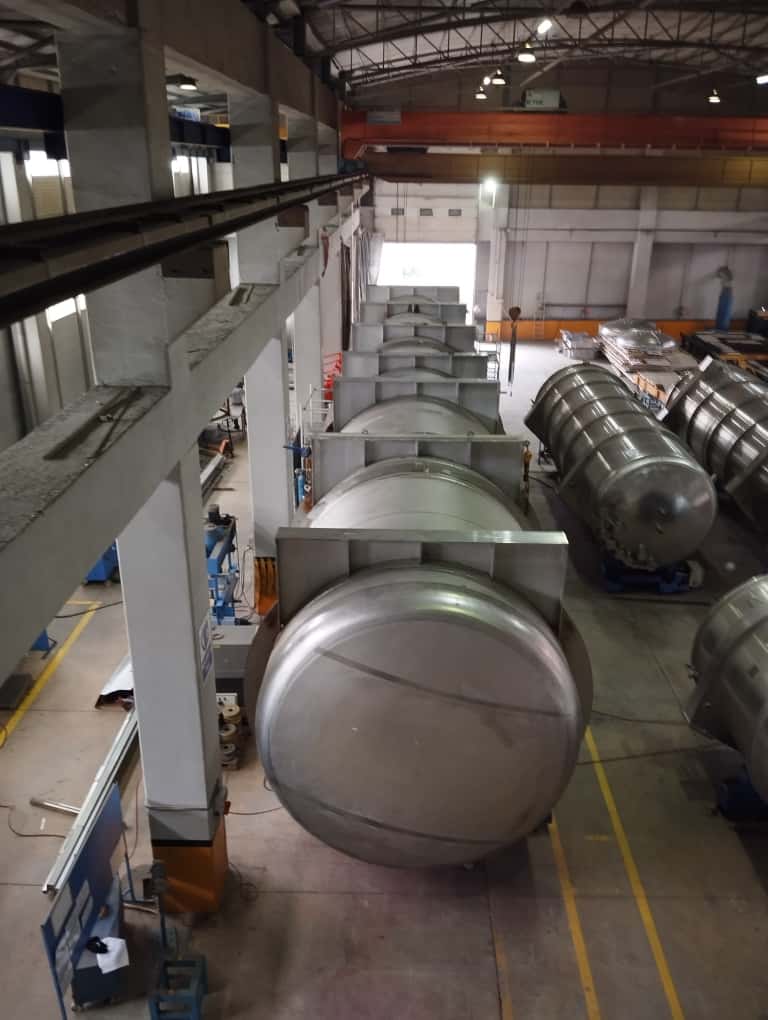
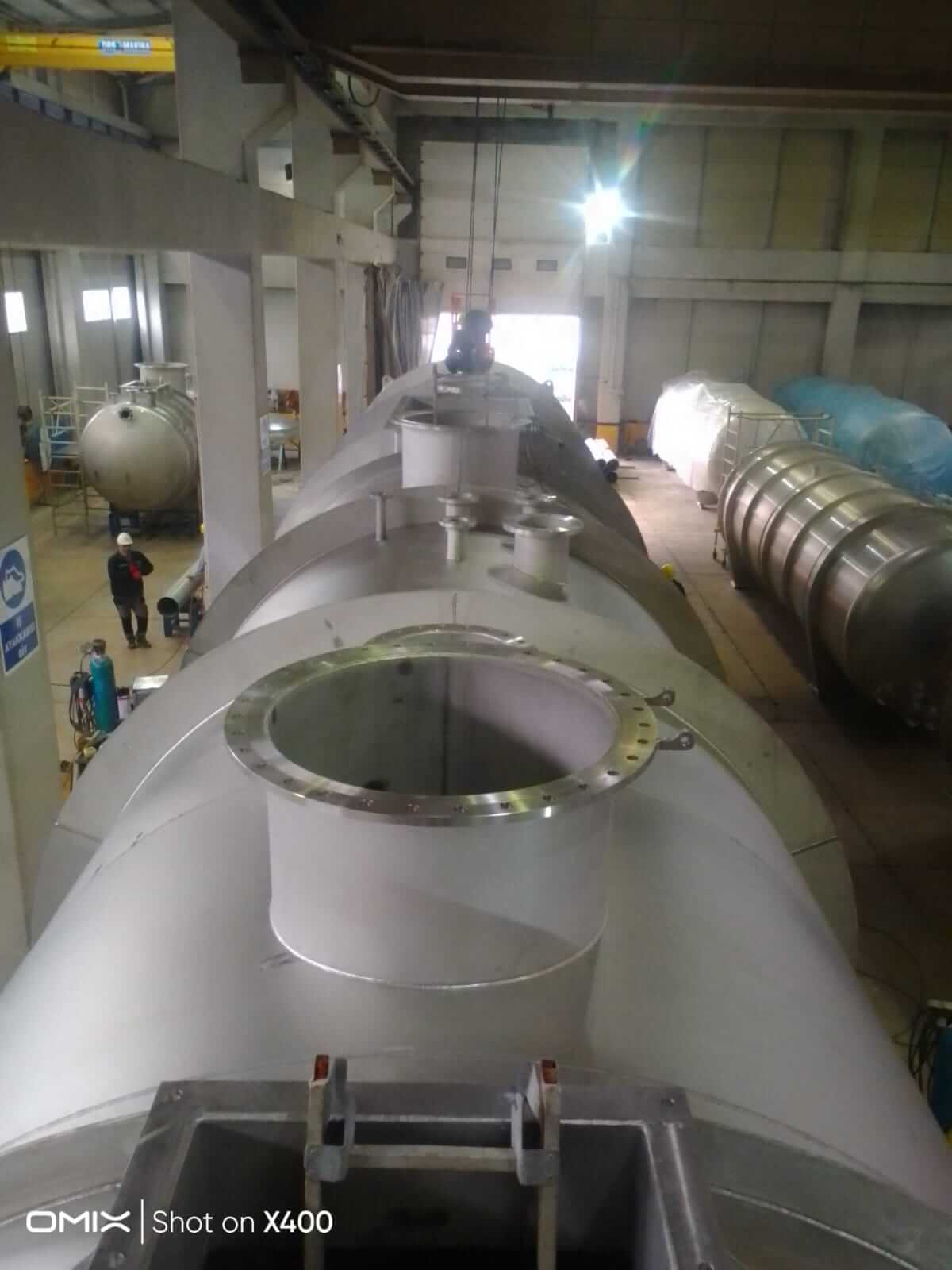
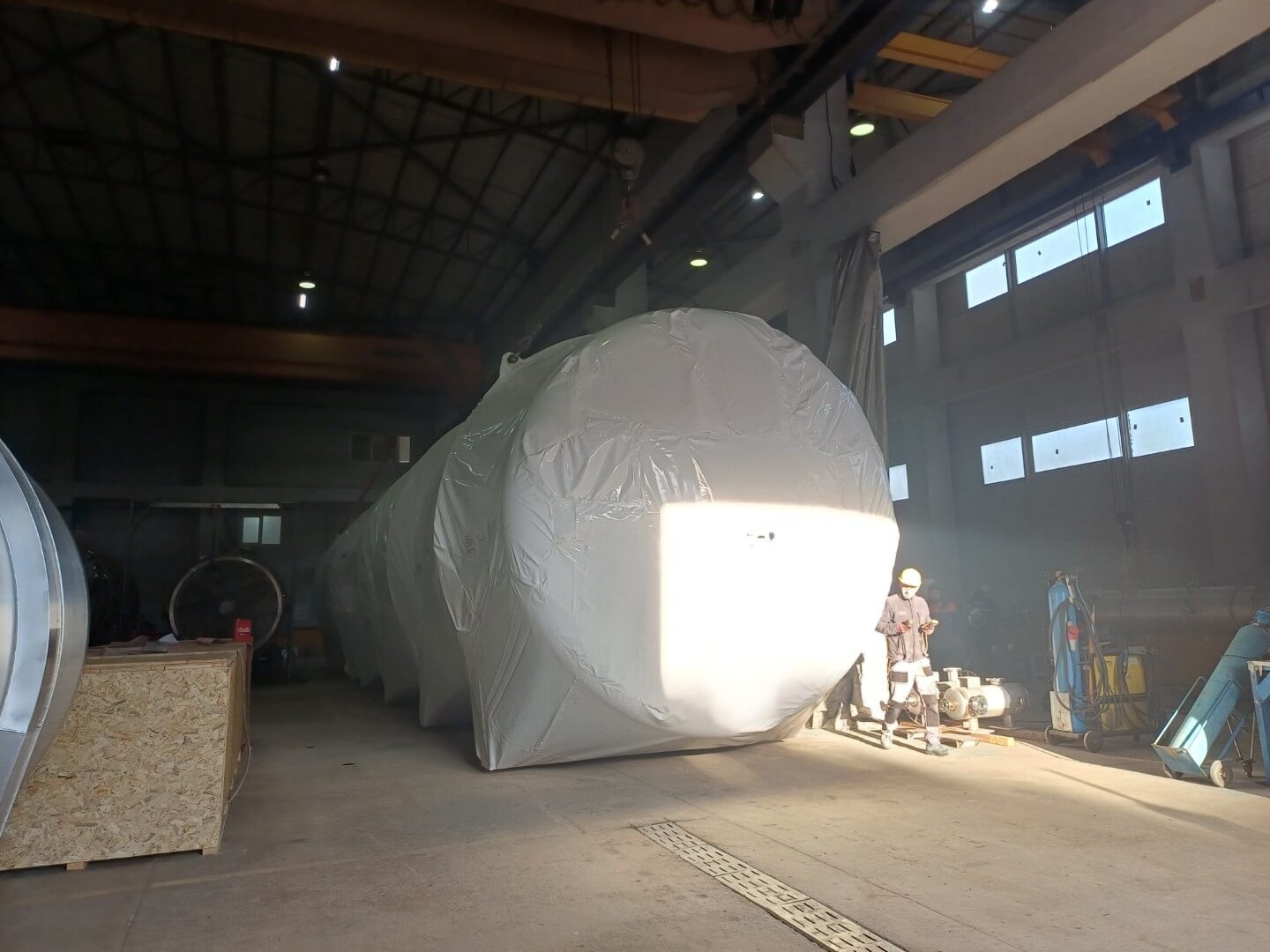
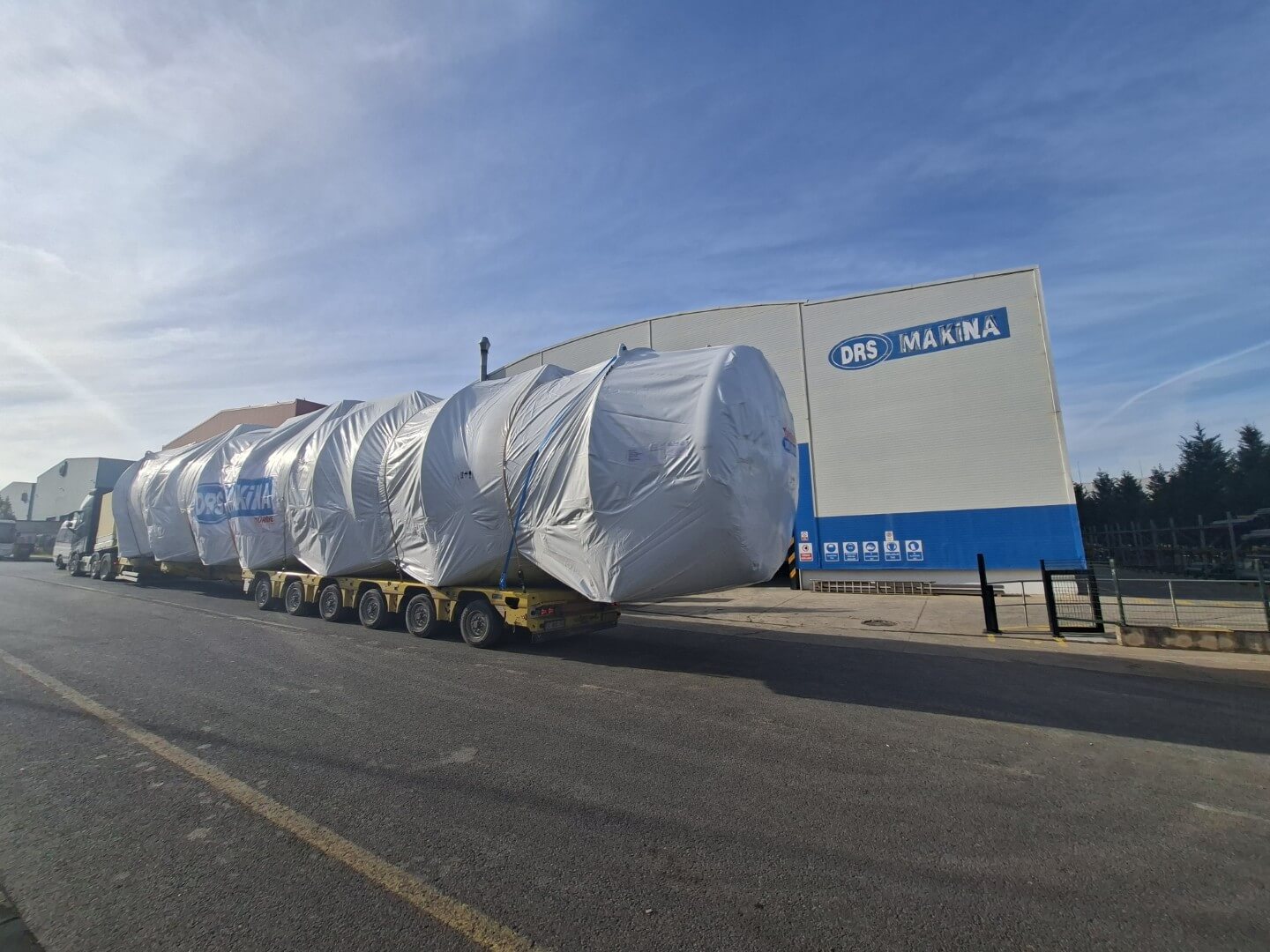
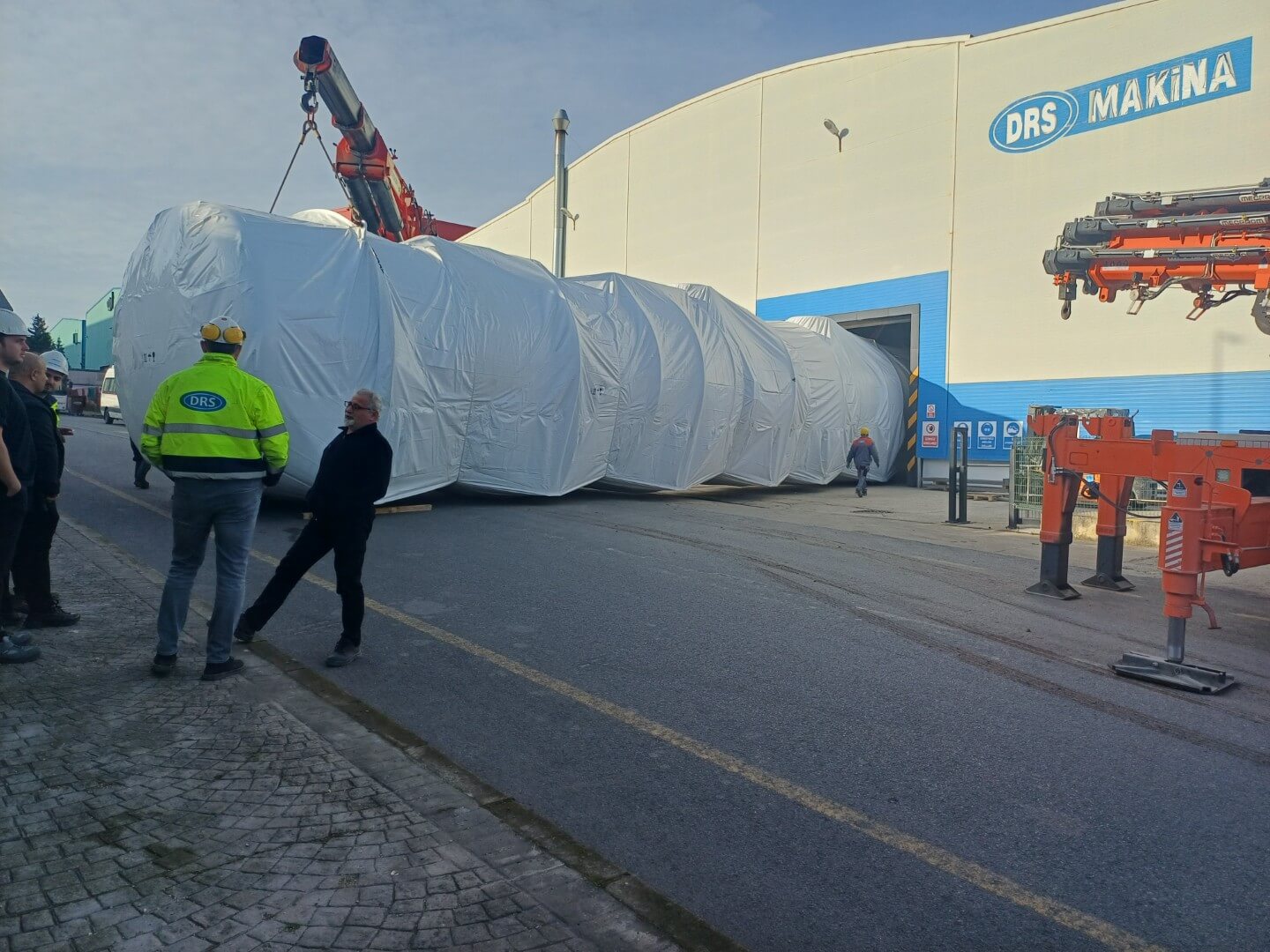
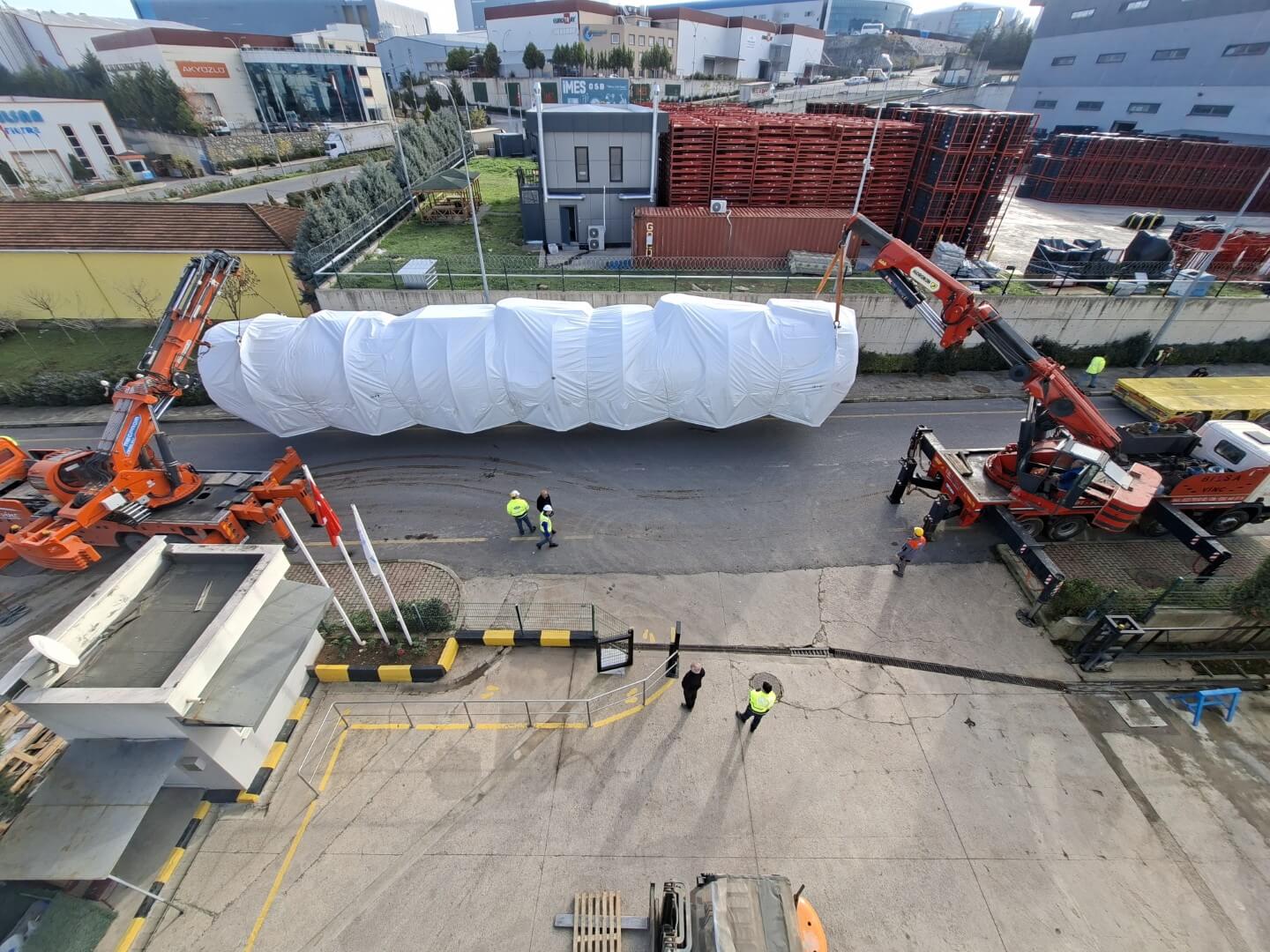
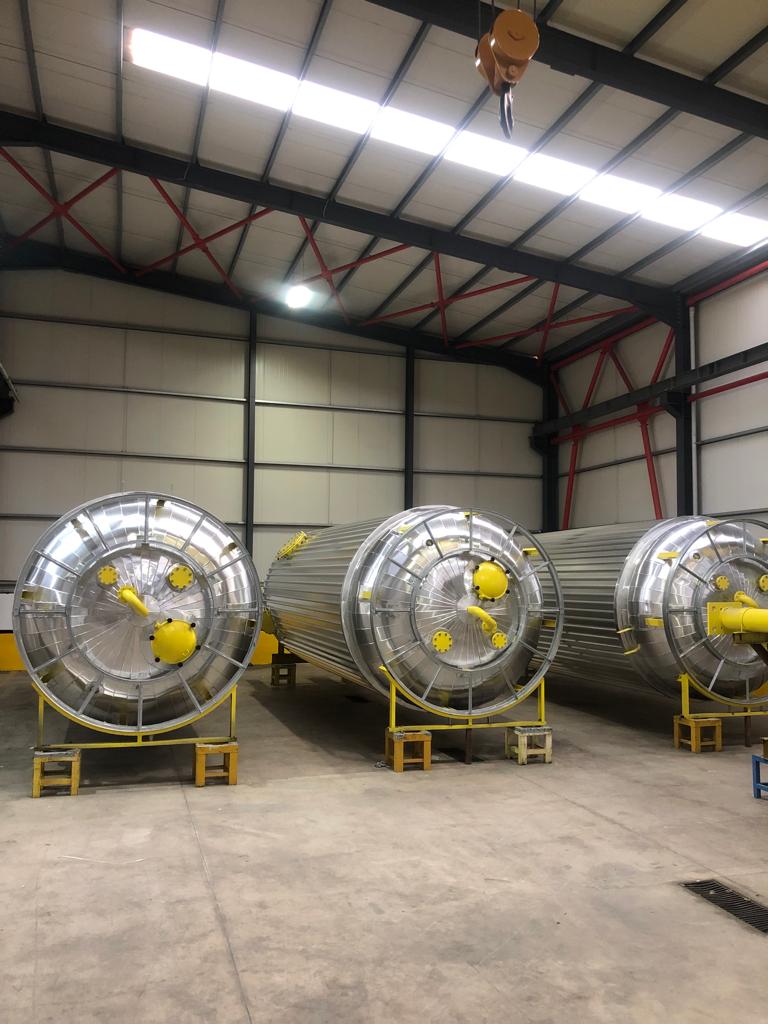
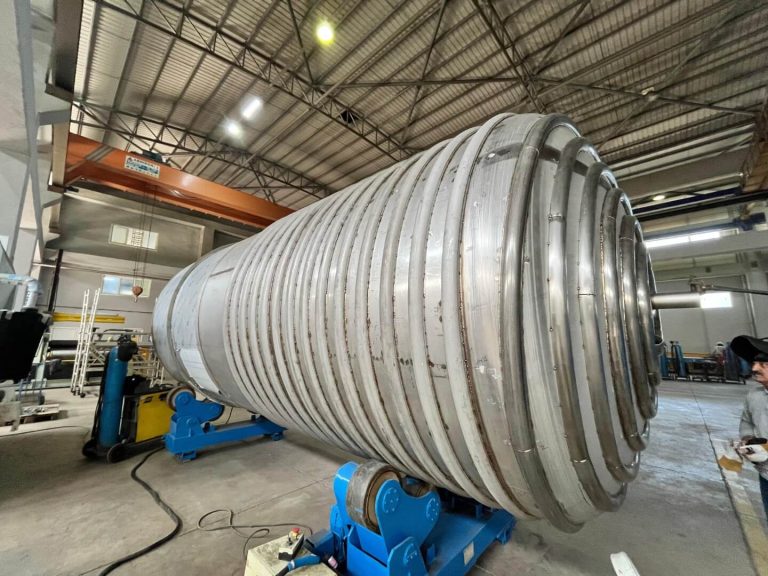
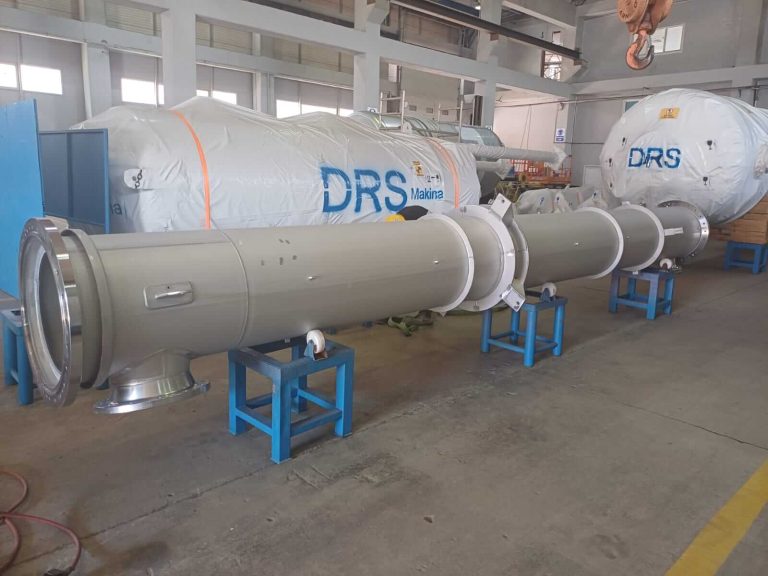
DRS Makina has once again demonstrated its high engineering capabilities in industrial plant installation and critical process equipment fabrication through a high-corrosion resistant pump tank project executed for a globally renowned solution partner in sulfuric acid technologies. Realized at our state-of-the-art manufacturing facilities located in IMES OSB, Kocaeli, this project was engineered and manufactured to withstand the most severe operating conditions and highly corrosive environments of the chemical and petrochemical industries for many years.
Advanced Engineering, Modeling, and Design Processes
At the initial stage of the project, all mechanical designs were validated using SolidWorks 3D solid modeling and AutoCAD 2D layout software to ensure full compatibility with process parameters. Within the scope of finite element analysis (FEA) performed by the DRS Makina engineering team, the designs of lifting lugs and load-bearing trunnions were analyzed under static and dynamic loads. Throughout the manufacturing processes, metals complying with EN 10204 3.1 material certification standards were preferred, ensuring mechanical traceability at the highest level. Every stage of the project was executed in accordance with a comprehensive inspection and test plan (ITP) submitted to and approved by the client, utilizing DRS Makina’s proprietary design and engineering methodologies.
Material Metallurgy and Certified Welding Technologies
In vessels where highly corrosive fluids such as sulfuric acid ($H_2SO_4$) are stored and transferred, corrosion resistance is the most critical parameter. Accordingly, special alloy materials (ZeCor-Z grade) featuring high silicon and nickel content, which demonstrate excellent passivation in sulfuric acid environments, were utilized in the project. To preserve the unique metallurgical structure of the alloy and prevent carbide precipitation that might occur during welding, welding operations were performed in compliance with WPS (Welding Procedure Specification) and PQR (Procedure Qualification Record) documents prepared according to ASME Sec. IX standards. TIG (GTAW) and SMAW welding methods were meticulously applied by our certified welders during fabrication. This rigorous process is a direct reflection of DRS Makina’s commitment to high-standard Pressure Vessel Fabrication and ISO 3834-2 welding quality requirements.
Precise Tolerances and Structural Fabrication Standards
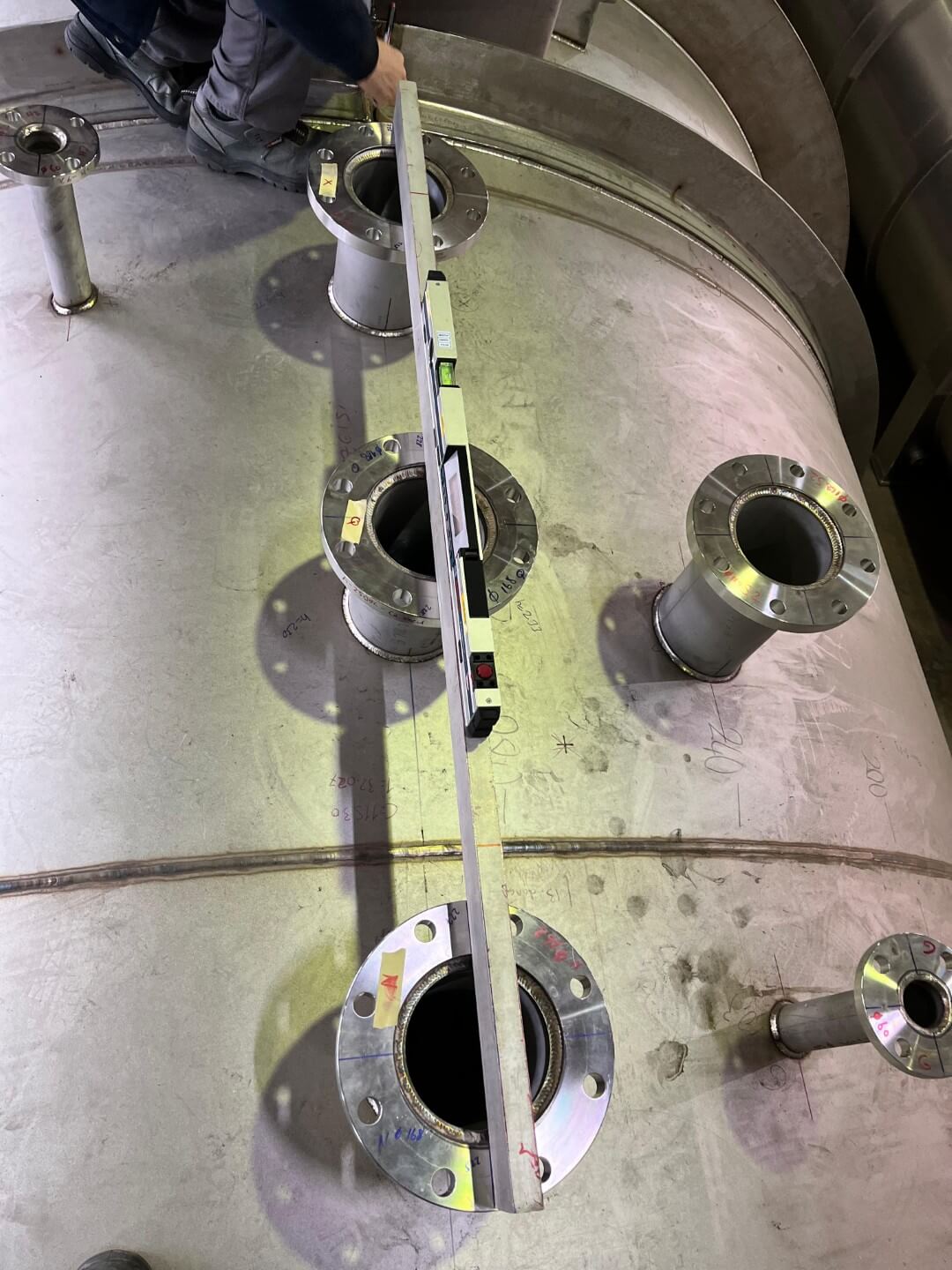
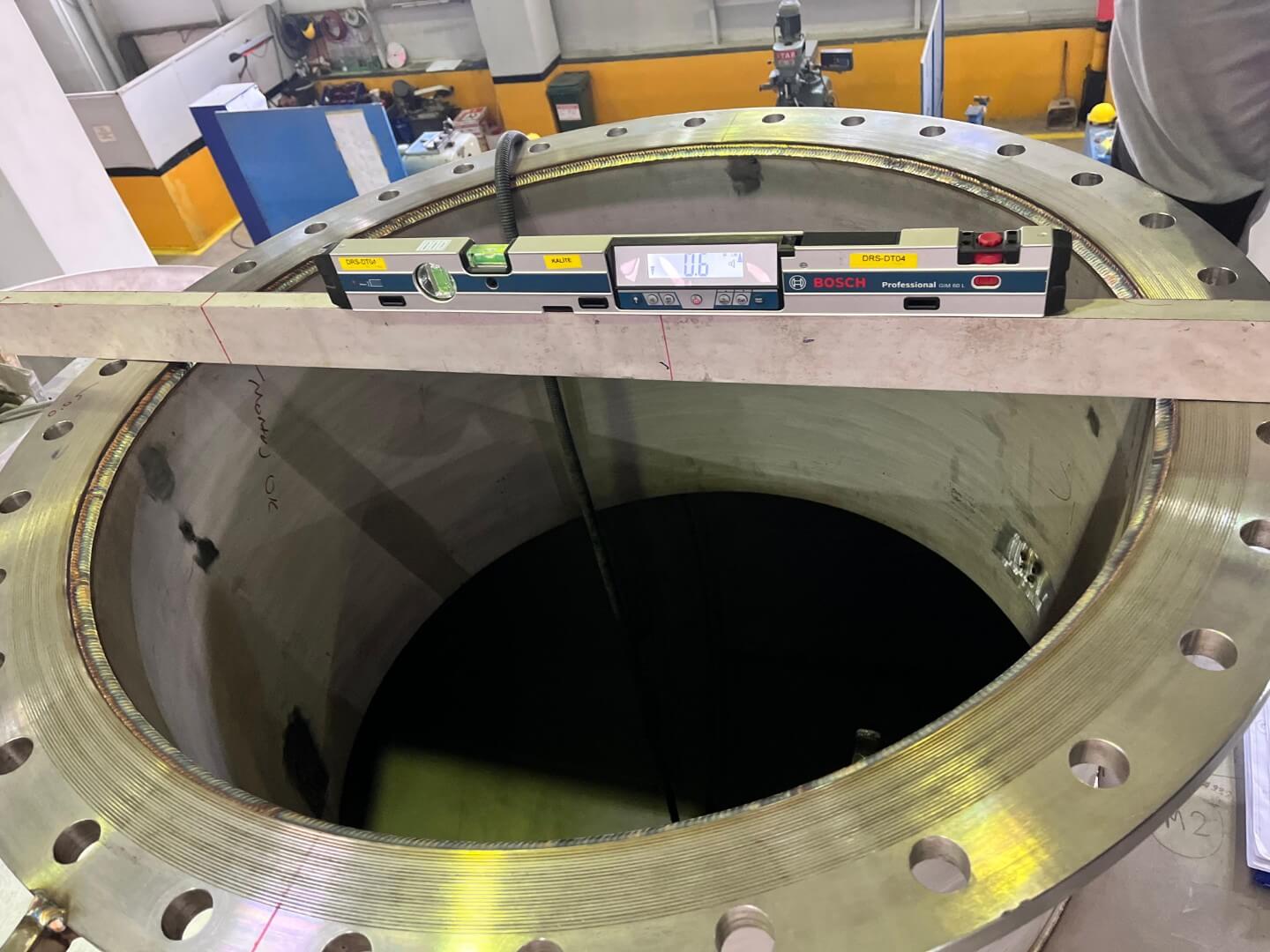
The main combination pump tank and dilution pump tank manufactured within the scope of the project were fabricated with reference to the American Society of Mechanical Engineers (ASME) standards. Special bending techniques were employed for diameters of 12 inches and above on the equipment shell and connection nozzles to minimize fluid turbulence. The parallelism and axial misalignment tolerances of the nozzle flanges were checked with millimetric precision to guarantee sealing integrity. Roughness values on all internal surfaces in contact with the fluid were kept under control, limiting the average surface roughness to `$Ra \le 3.2\ \mu m$` to prevent microbial corrosion and acid accumulation. The saddles designed to bear the external loads of the tank were manufactured from AISI 304L grade stainless steel to eliminate the risk of galvanic corrosion completely. These detailed structural solutions reflect DRS Makina’s extensive experience in industrial Tank and Silo Fabrication.
Quality Assurance, Non-Destructive Testing (NDT), and Data Book
The quality control department of DRS Makina subjected all production stages to rigorous inspections in line with the zero-defect principle. Upon completion of fabrication, 100% Visual Testing (VT) and 100% Penetrant Testing (PT) were performed on weld seams to identify capillary cracks. For structural integrity validation, 10% Radiographic Testing (RT) was carried out on critical joint areas and T-welds operating under pressure. All testing processes were completed under the supervision of our Level II and Level III NDT specialists certified according to EN ISO 9712 standards. Following fabrication, EN 10204 3.1 material certificates, welder performance qualifications (WPQ/WPQR), NDT reports, and dimensional inspection forms were compiled into a comprehensive Data Book and delivered to the client.
Surface Protection, Passivation, and Logistics Management
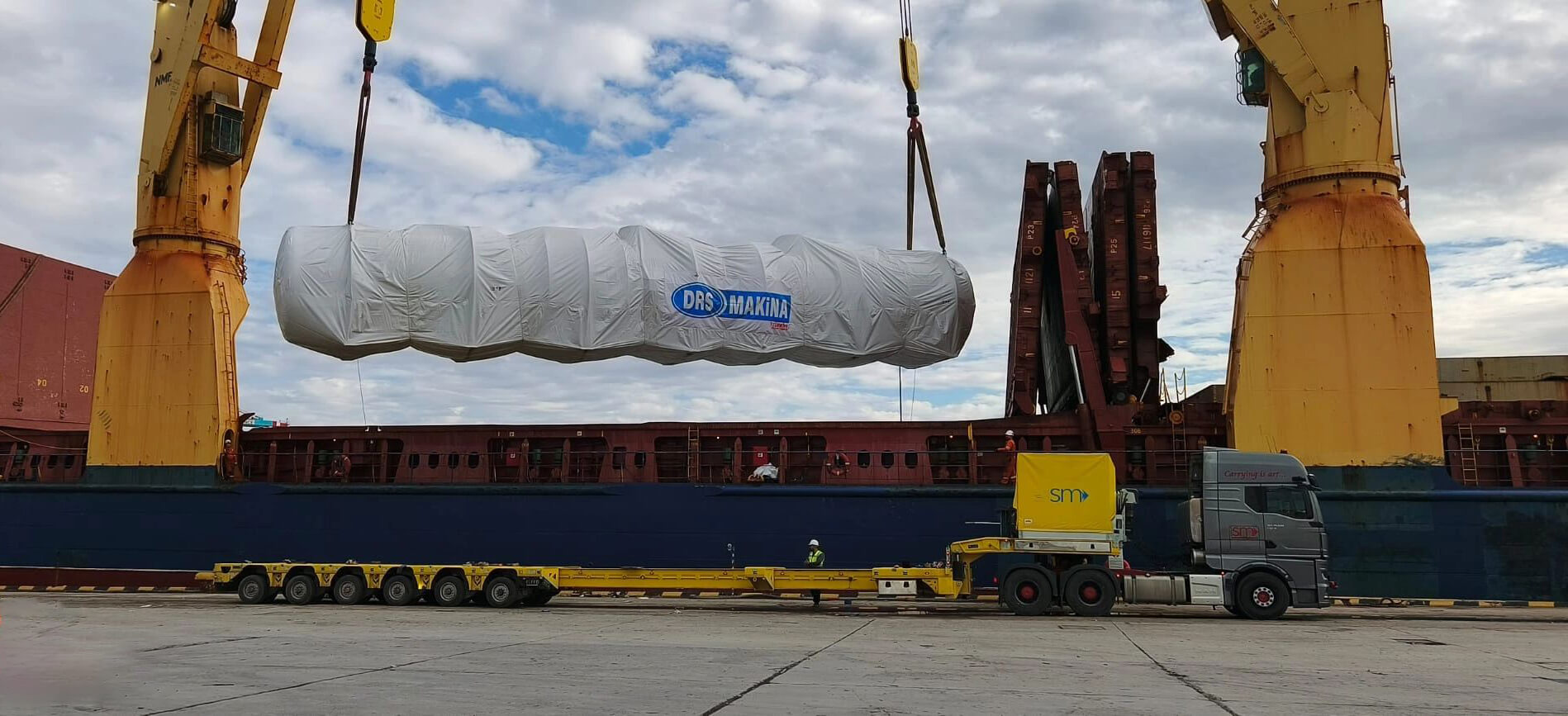
To maximize the corrosion resistance of the product under demanding environmental conditions, chemical acid passivation was applied to all stainless steel surfaces in accordance with industrial standards. The external structural components of the equipment, manufactured from carbon steel, were sandblasted to SA 2.5 standard to eliminate mechanical impurities and then coated with a dual-layer industrial epoxy paint system providing high resistance to atmospheric corrosion. To prevent any deformation during transit to the installation site, the finished equipment was secured on its own transport saddles. The shipment was safely dispatched on a FAS Derince Port delivery basis, utilizing custom wooden packaging fumigated according to ISPM 15 standards suitable for both ocean and land transport.