

Equipment Fabrication
Fabrication of Stainless Steel Column and Scrubber (Column Purification) in Compliance with ASME Sec. VIII Div. 1 Standards
About the Project
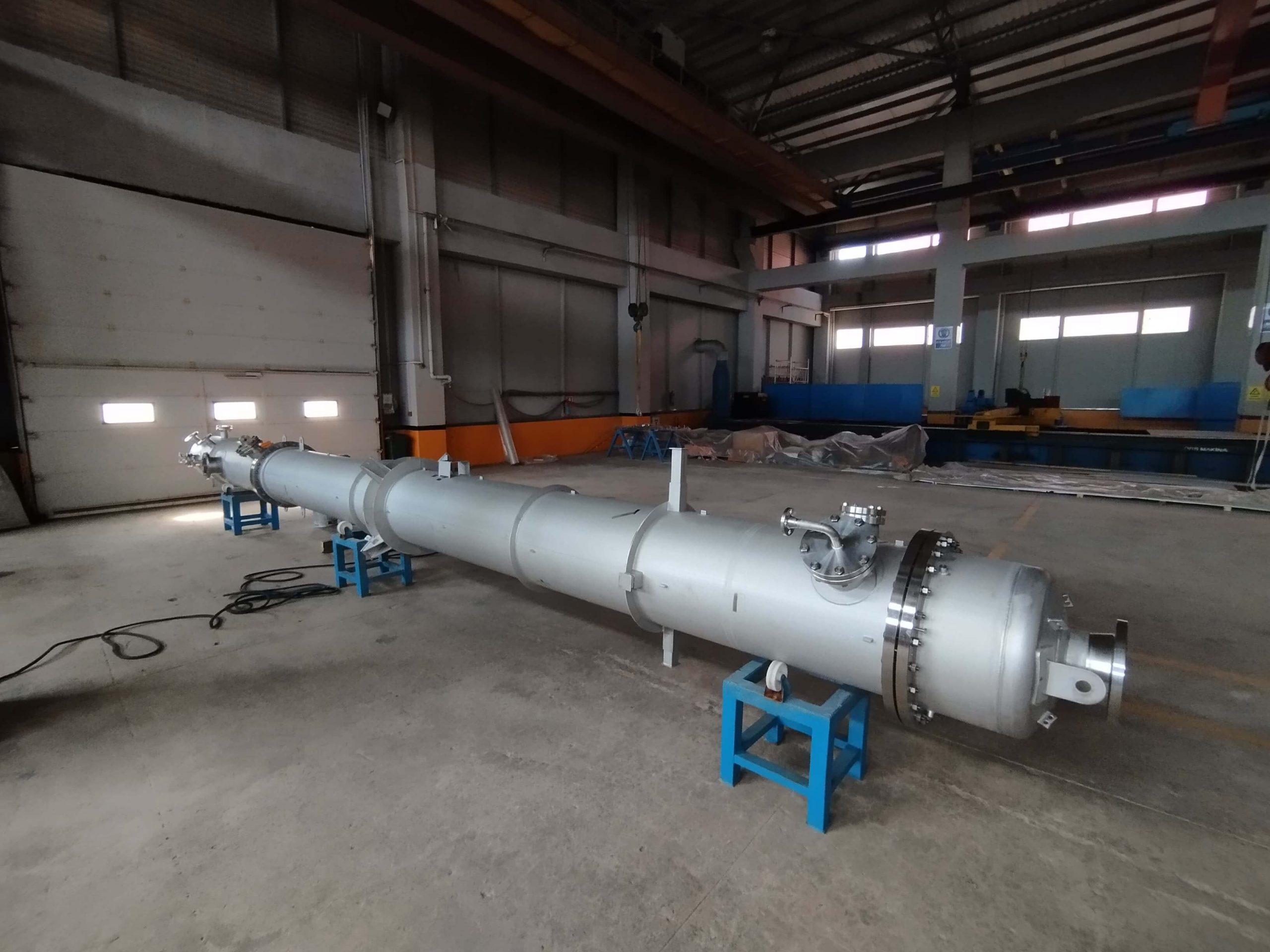
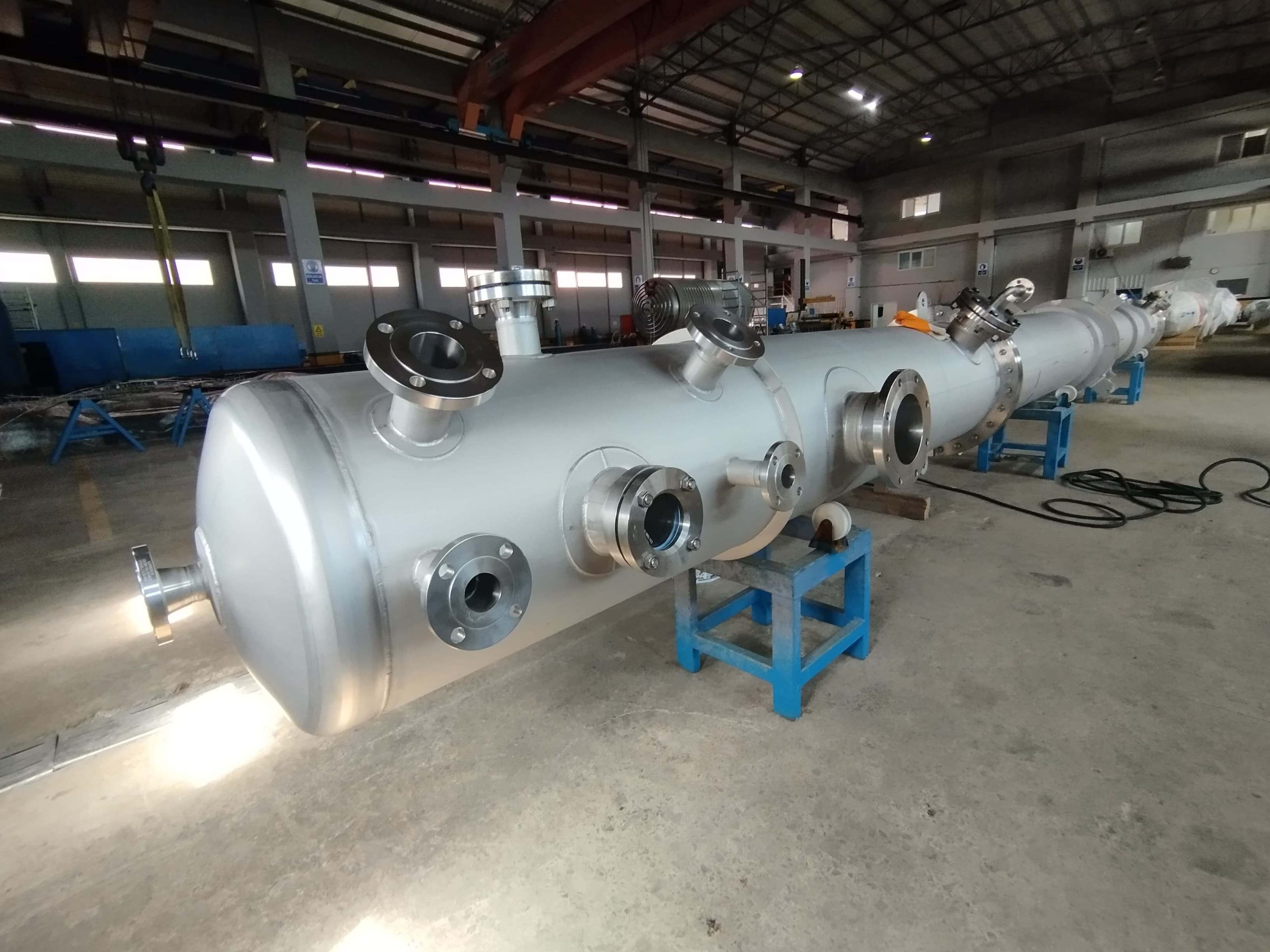
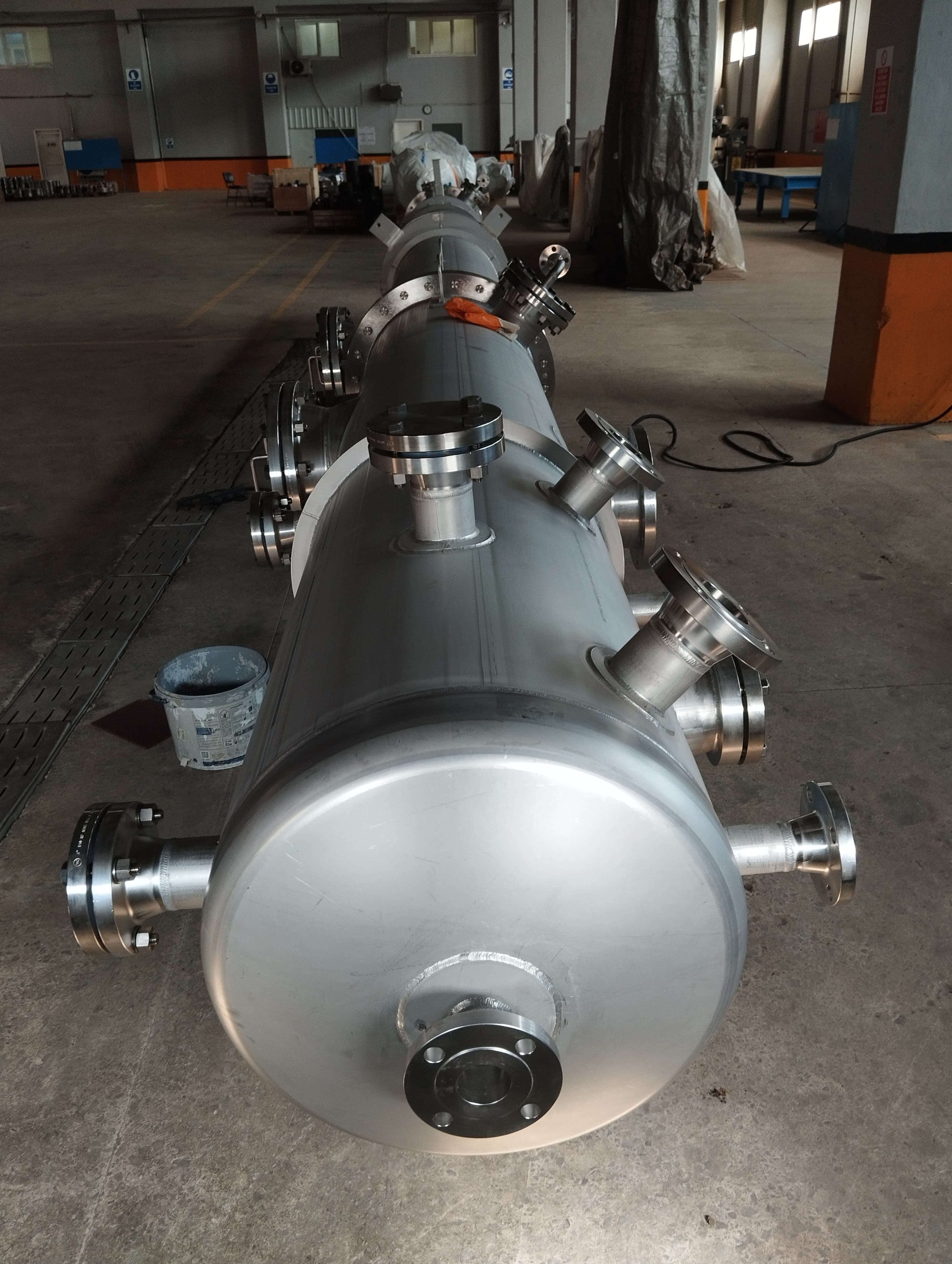
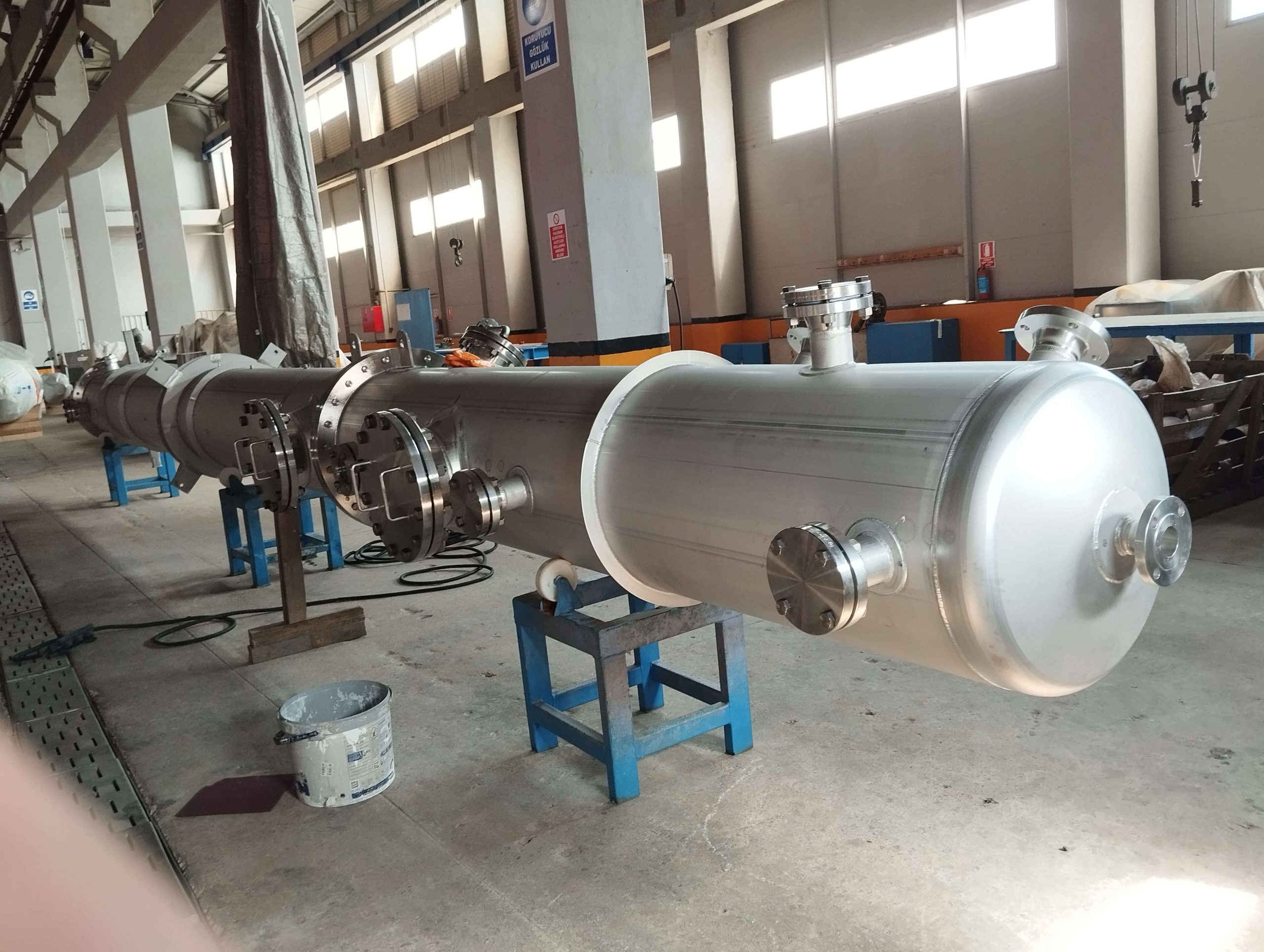
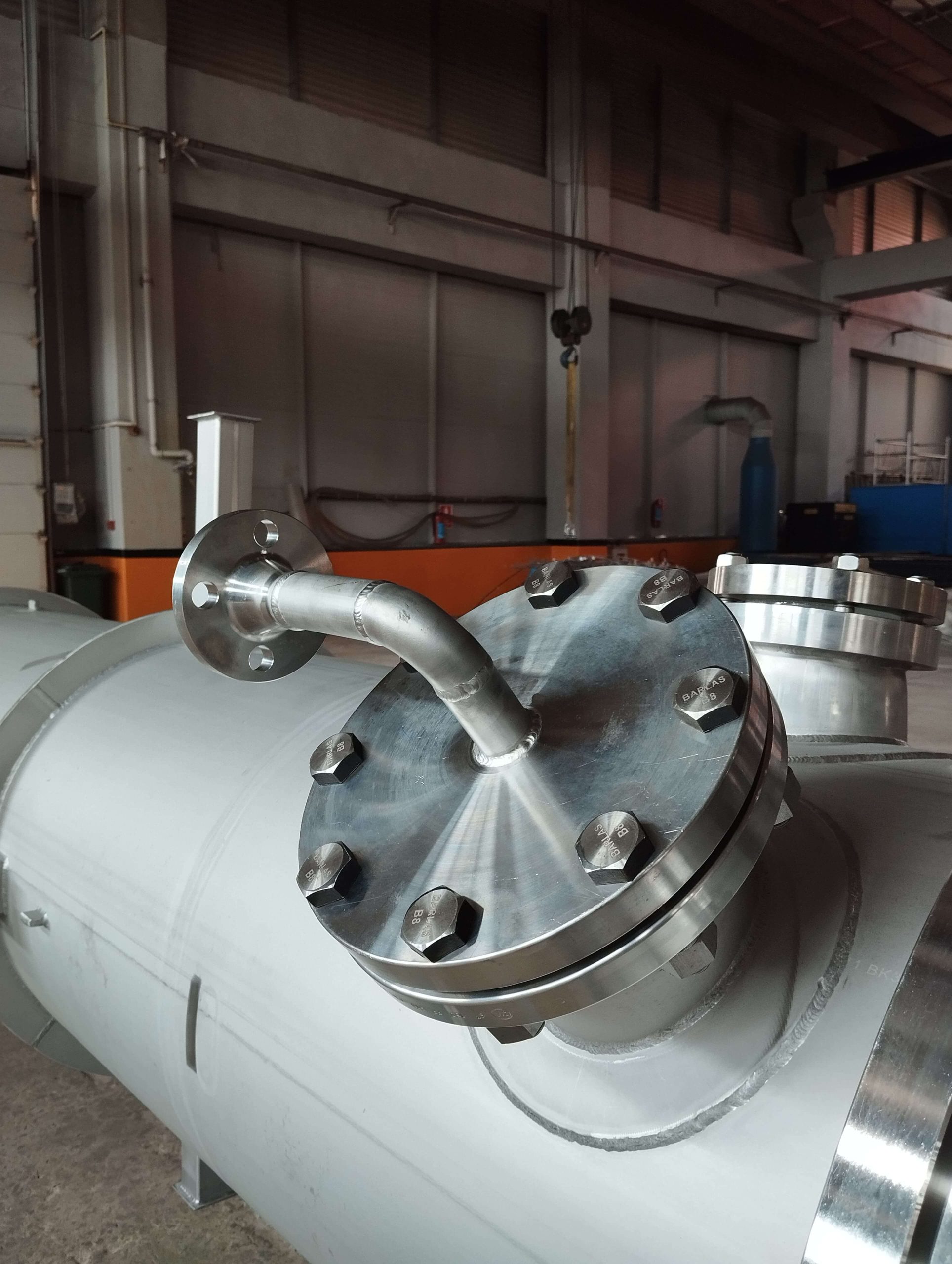
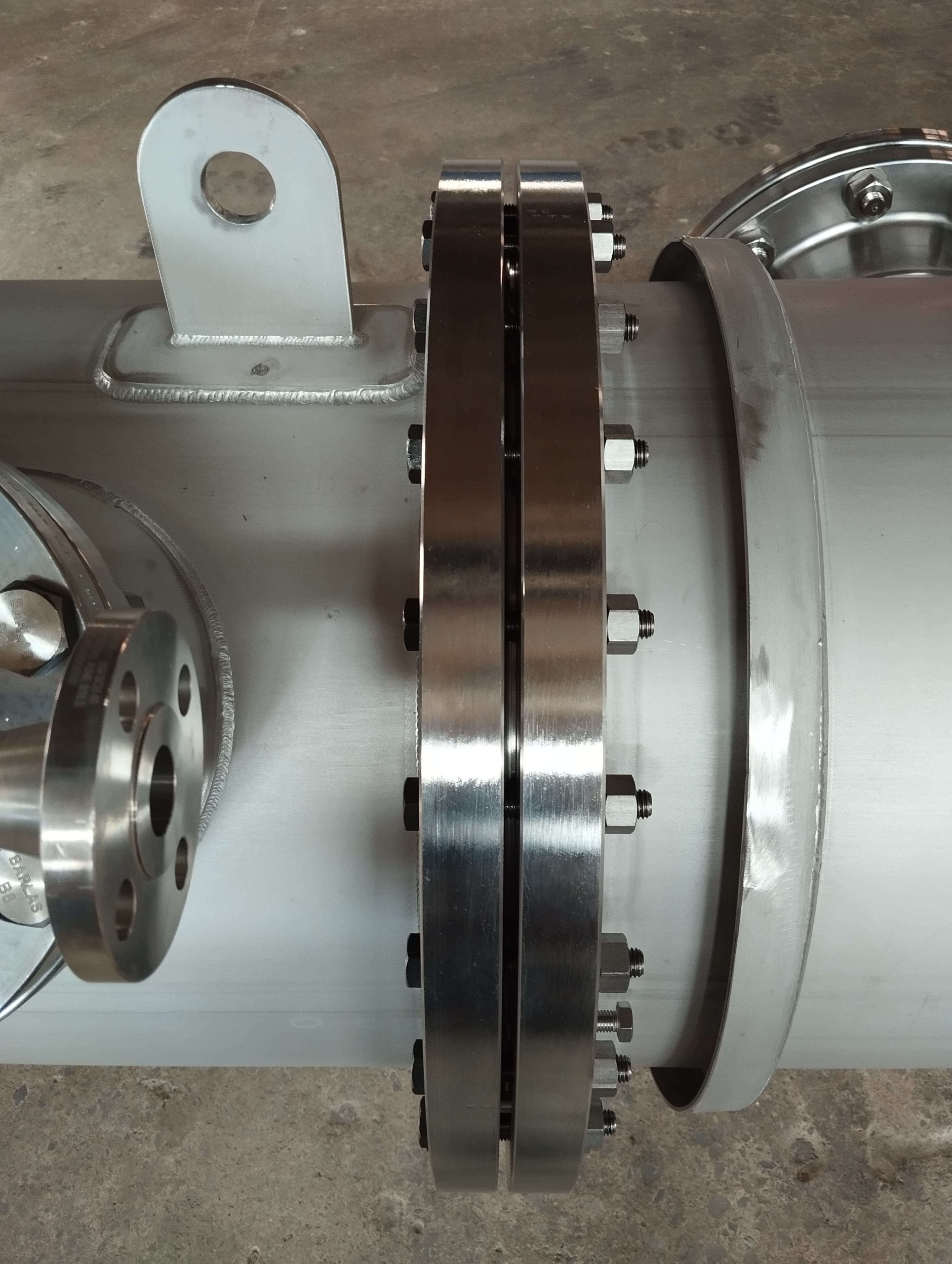
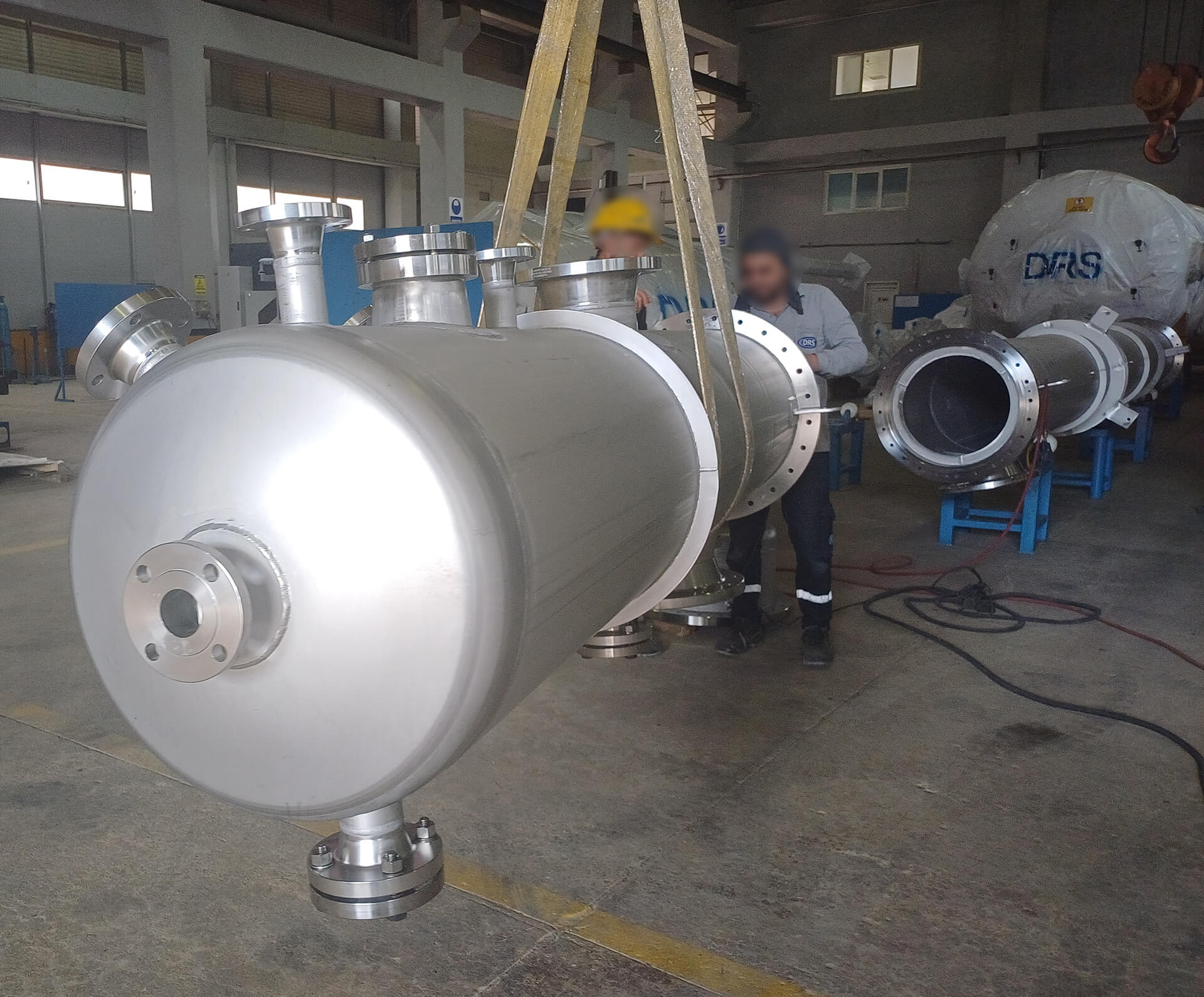
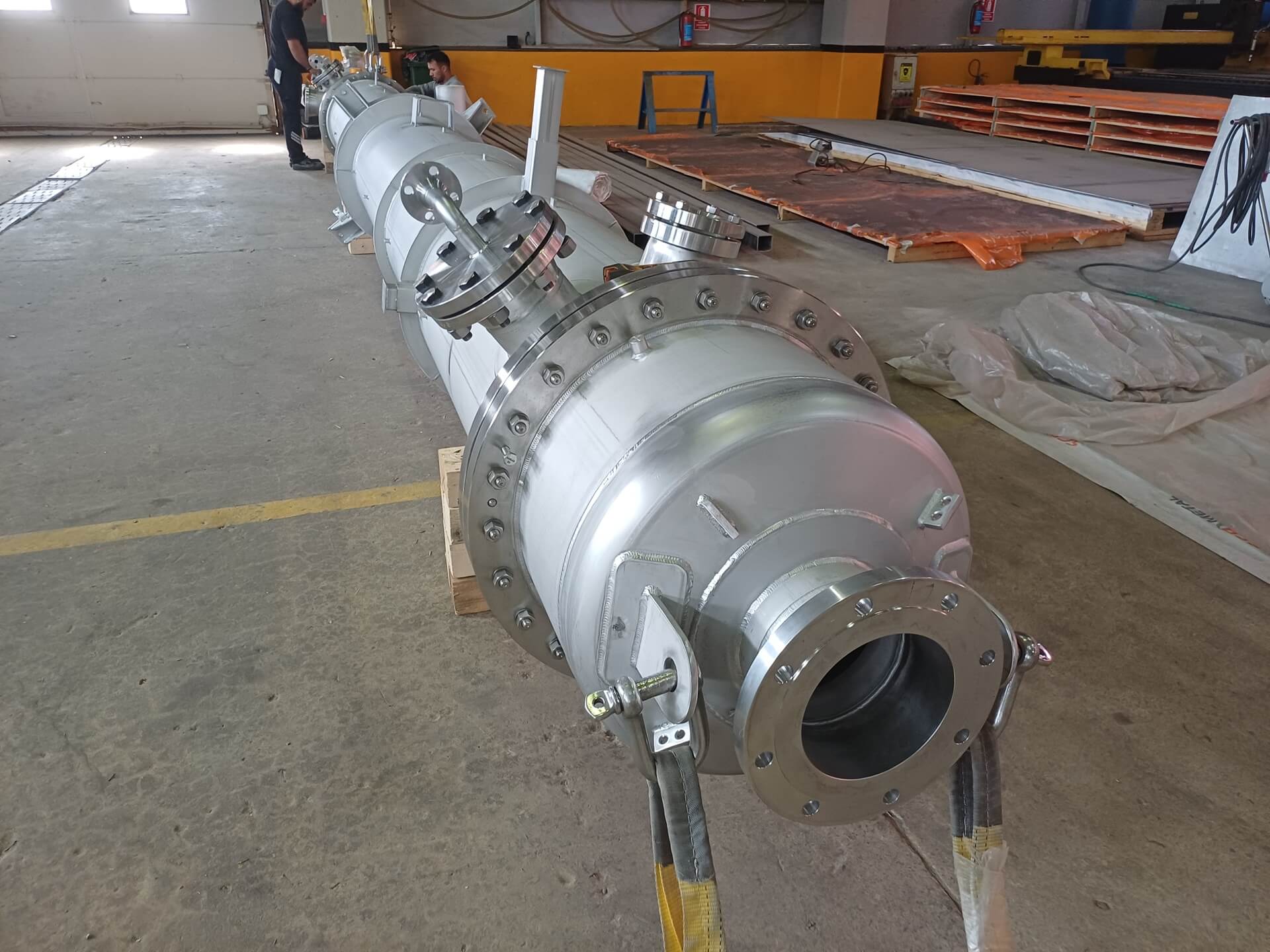
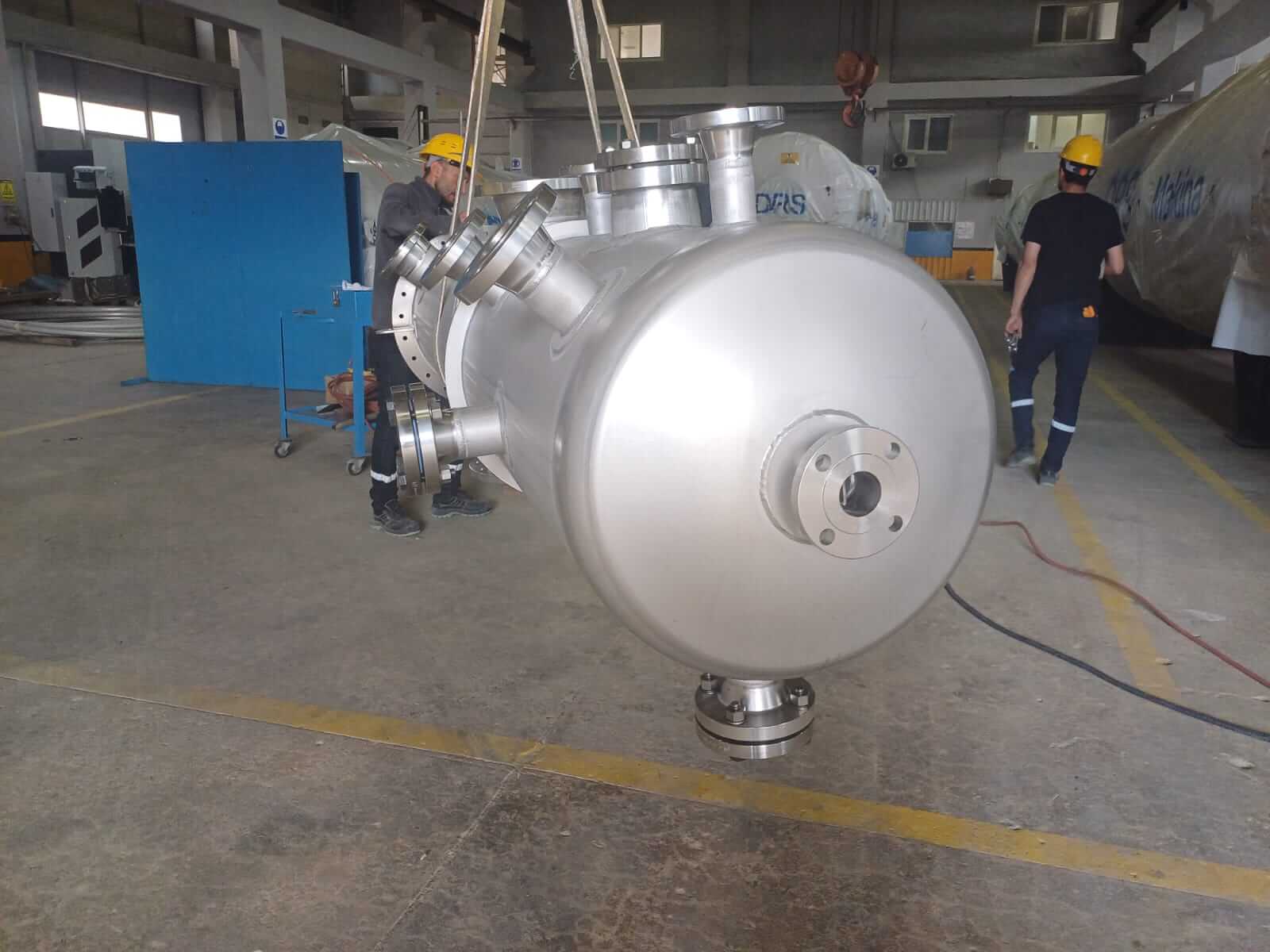
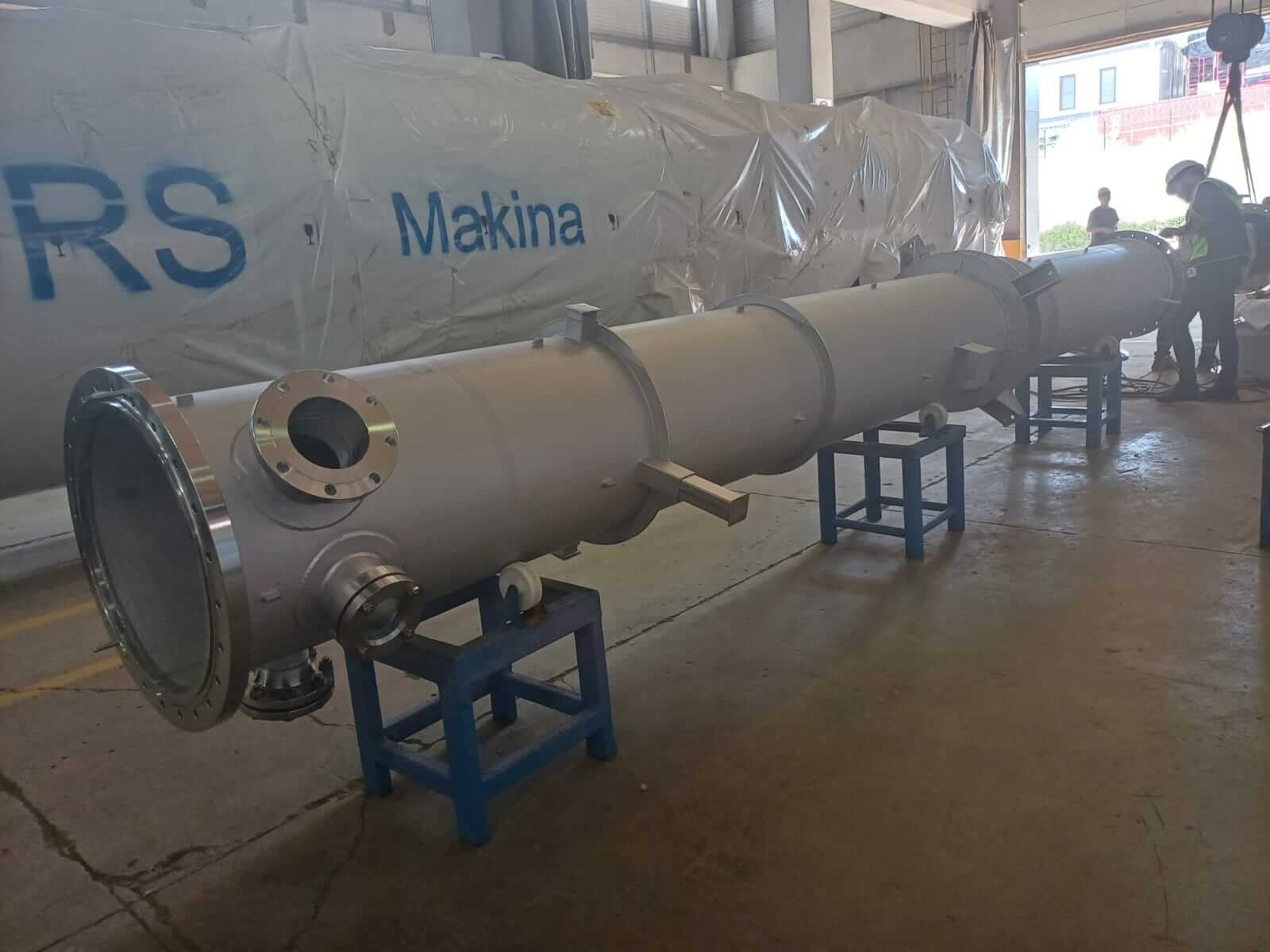
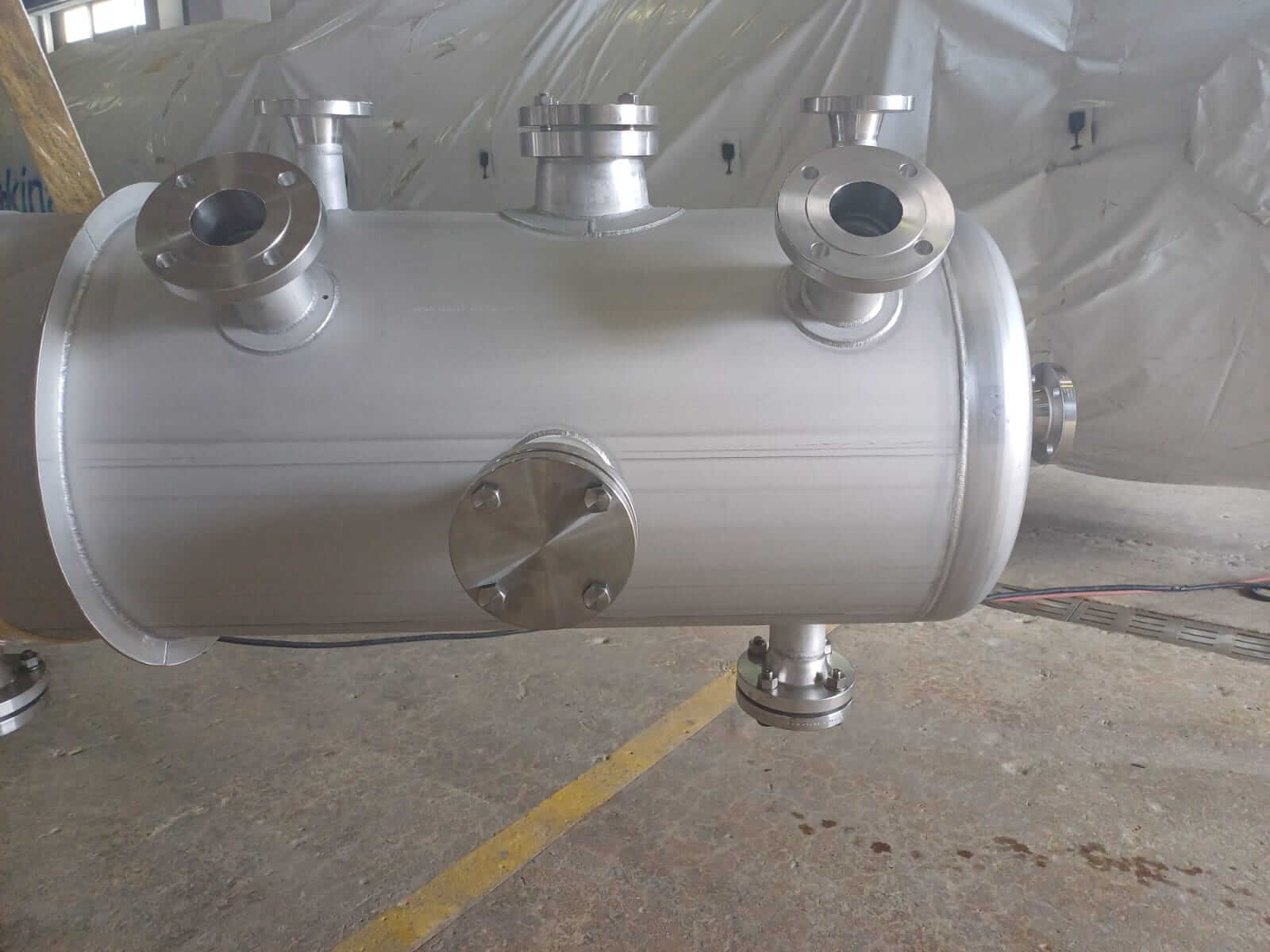
ASME-Standard Column Fabrication for Process and Purification Technologies (Column Purification – Scrubber)
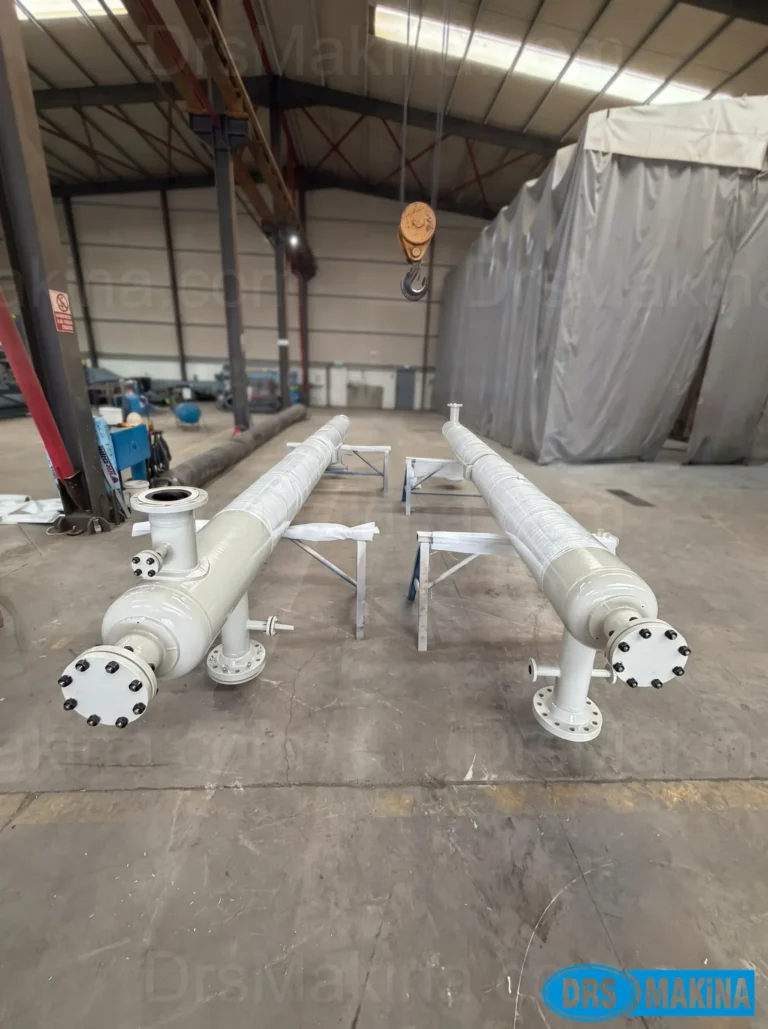
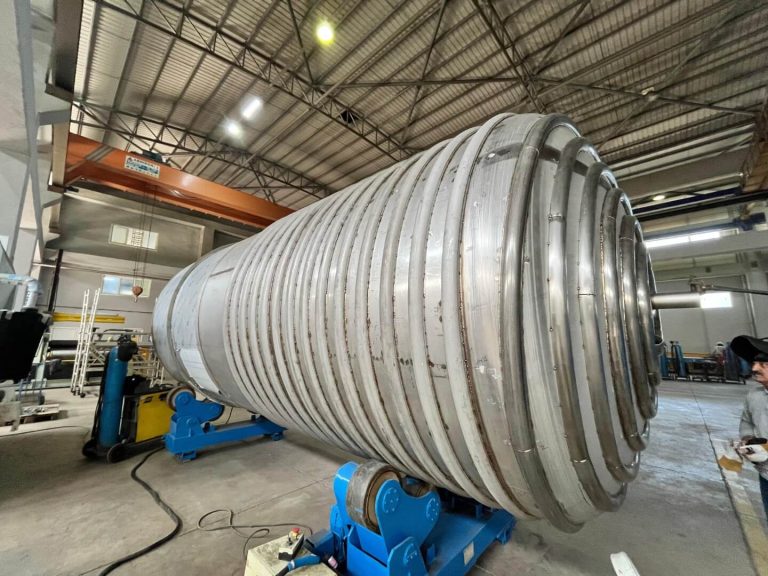
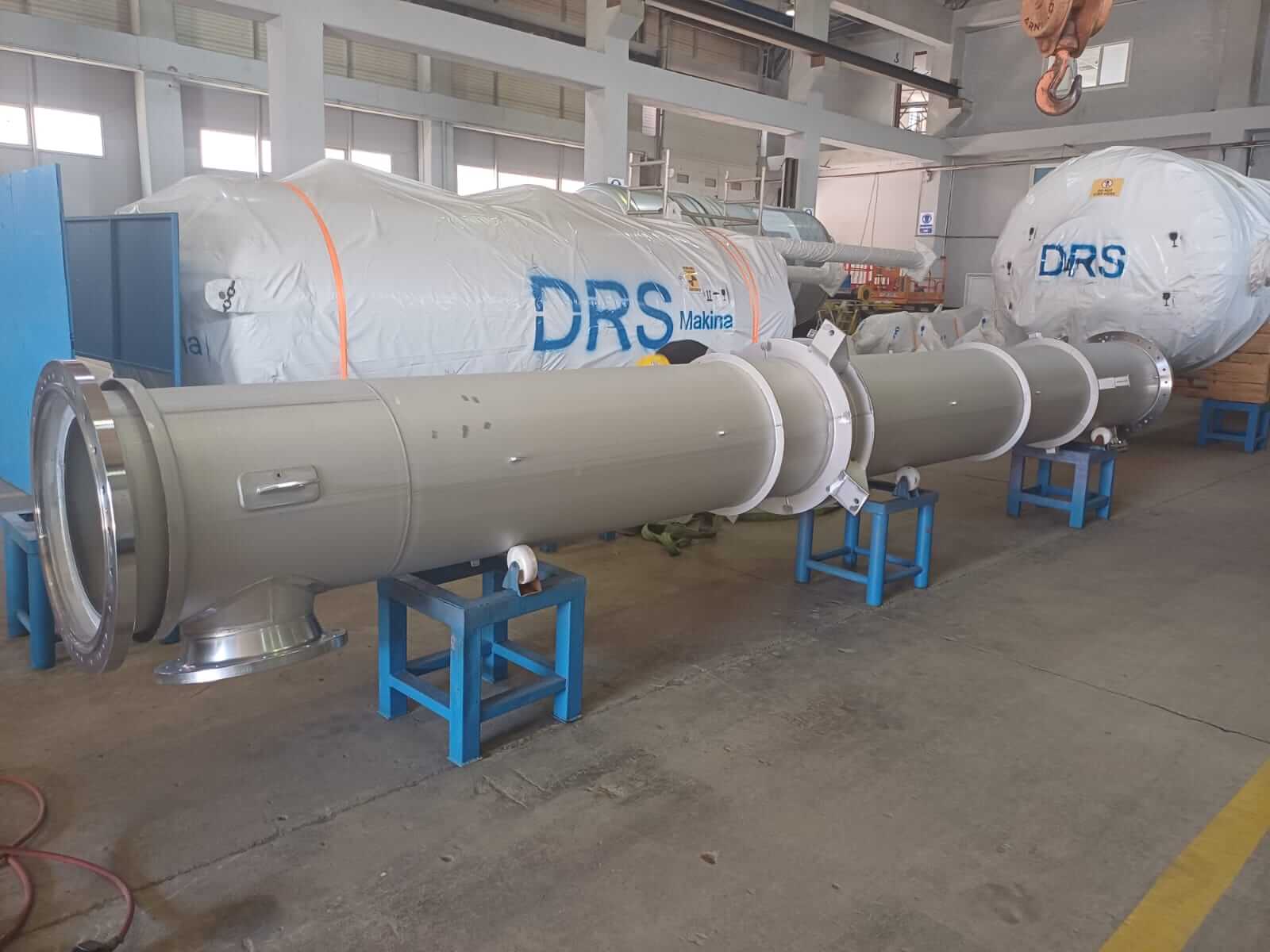
DRS Makina has added another milestone to its custom engineering solutions tailored for process flows requiring high pressure resistance and superior corrosion resistance in industrial plants. Within this scope, the fabrication project of a DN600 nominal diameter Column Purification (K05 Scrubber) gas purification column has been successfully completed for a global EPC contractor, a world leader in fluid transfer and thermal process engineering. Realized at our high-tech and fully integrated manufacturing facilities in IMES OSB, Dilovasi, Kocaeli, this project is the product of a holistic engineering effort spanning mechanical design, structural strength analyses, precise stainless steel fabrication, and international logistics and shipment management.
Advanced Mechanical Design in Compliance with ASME Sec. VIII Div. 1 Norms
In scrubber systems, which play a critical role in neutralizing acidic and harmful gases in industrial plants, structural stability and mechanical strength represent the most fundamental design criteria. The DRS Makina engineering team modeled the column’s behavior under operating loads, internal/external pressure values, and environmental factors such as wind and seismic loads, with reference to the ASME Section VIII Division 1 standard. Safe operating limits of the equipment were guaranteed through detailed 3D solid models developed on the SolidWorks platform and mechanical strength validations performed with PV Elite software. The column internals, including internal supports and rings, were optimized to ensure maximum mass transfer and minimum pressure drop during the chemical gas scrubbing process. This complex design process was executed utilizing our company’s proprietary design methodologies.
Material Metallurgy, No. 1 Surface Finish, and Chemical Passivation
Low-carbon AISI 304L grade stainless steel was selected as the primary material to ensure superior corrosion resistance against the corrosive gases and chemical solutions passing through the scrubber system. All plates, pipes, and fitting groups used in the fabrication possess EN 10204 3.1 material certification, ensuring complete metallurgical traceability. To optimize roughness resistance on the internal surfaces where chemical reactions occur, the material surface finish was kept at No. 1 standard, and the surface roughness value was controlled as `$Ra \ge 5\ \mu m$`. Immediately following fabrication and welding operations, professional chemical acid pickling and passivation processes were applied to eliminate mechanical and thermal effects sustained by the stainless steel surfaces during fabrication. Consequently, the chromium-oxide passive layer, which constitutes the material’s natural corrosion resistance, was homogeneously restored. This high-level metallurgical precision is a direct testament to DRS Makina’s fabrication capabilities for Special Equipment targeted at heavy industry sectors.
Welding Engineering and ISO 3834-2 Quality Standards
The quality of welded joints is of vital importance to the operational safety of chemical columns. All welding operations within the scope of the project were executed in line with WPS (Welding Procedure Specification) and PQR (Procedure Qualification Record) documents prepared and approved in accordance with ASME Sec. IX norms. To keep the heat input of the material under control and entirely eliminate the risk of intergranular corrosion, TIG (GTAW) and MIG/MAG (GMAW) welding methods were applied in combination by certified welding personnel. Full-penetration weld joints were preferred in regions with high stress concentration, such as body flanges, nozzle studs, and manholes, to maximize structural integrity.
Rigorous Quality Control and Non-Destructive Testing (NDT) Protocols
Every stage of production was managed with quality assurance steps fully compliant with the ITP (Inspection and Test Plan) document approved by the client. To prevent any discontinuity or porosity formation in the internal structure of the weld joints, 100% Radiographic Testing (RT) was applied to critical T-welded joints, and 10% RT was conducted on general shell seams. All fillet welds and structural connections were subjected to 100% Penetrant Testing (PT) for capillary crack inspections. In the final stage of mechanical fabrication, the equipment was subjected to a hydrostatic pressure test at values exceeding the design pressure in accordance with independent auditing standards, and its tightness was certified. All material certificates, welder qualifications (WPQR), NDT reports, and dimensional inspection forms were compiled and delivered as a complete Manufacturer Data Book. These high-level testing and quality processes reflect DRS Makina’s global standards in Pressure Vessel Fabrication.
Seaworthy Packaging and Overseas Logistics Engineering
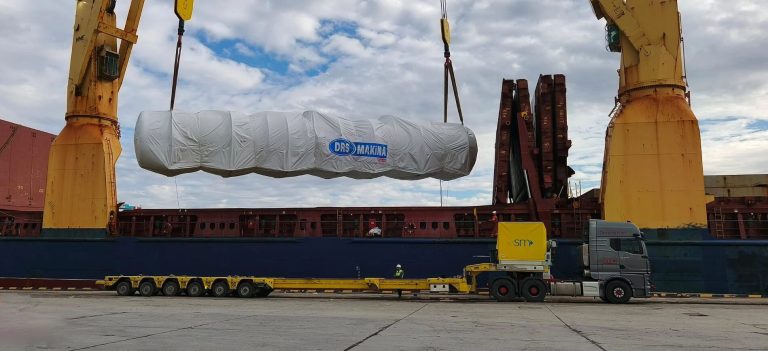
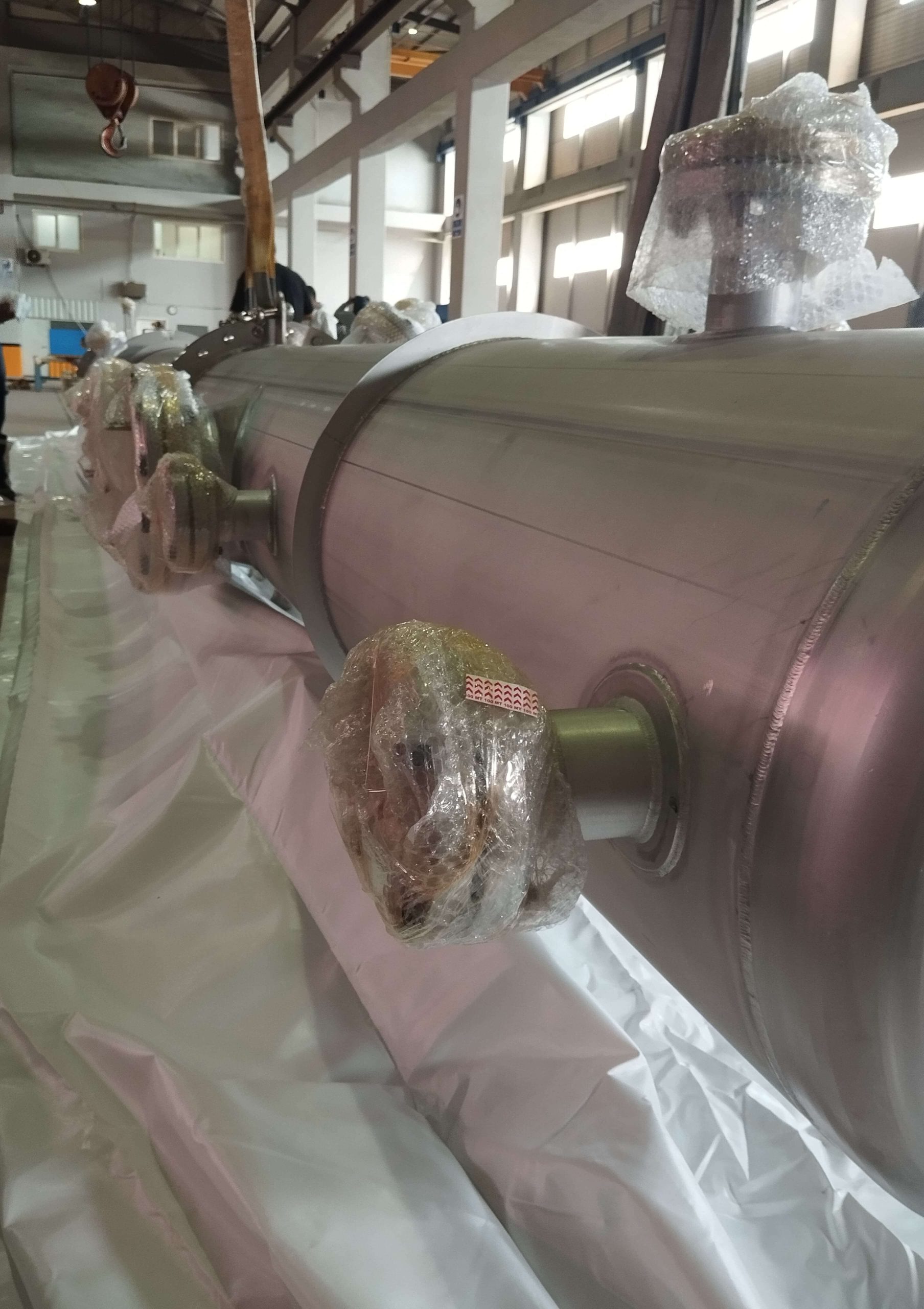
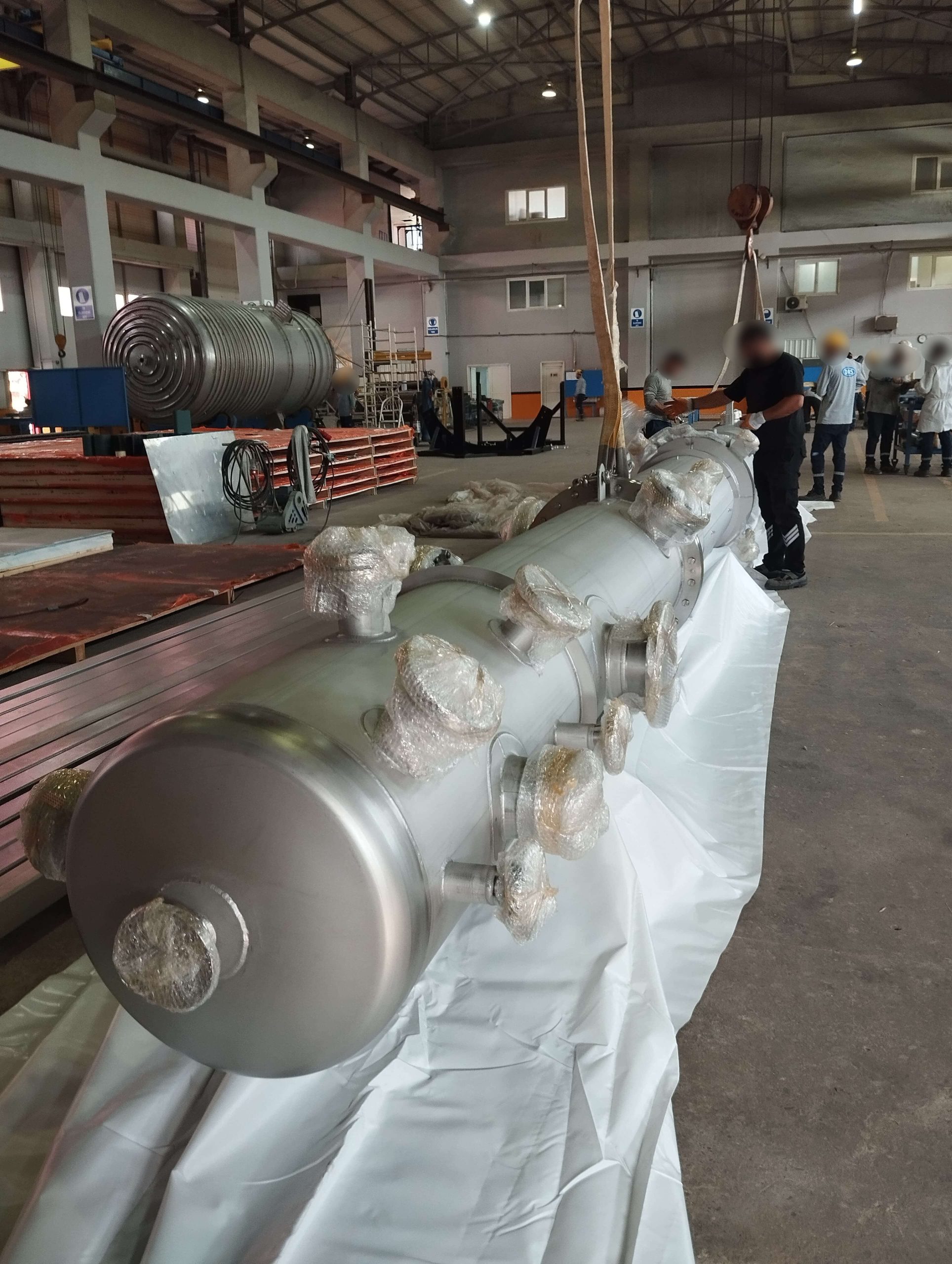
To protect this sensitive process equipment, which was to be exported to Canada, from corrosive external factors such as saltwater and atmospheric humidity during long ocean transit, specialized seaworthy packaging protocols were implemented. Securely fixed onto wood saddles fumigated in accordance with ISPM 15 standards, the column was wrapped in waterproof protective layers and shrink-wrap barrier packaging. All nozzle and flange openings on the column were fully isolated with custom plastic blank plugs and gaskets to prevent corrosion. The logistics operation was managed by DRS Makina’s experienced shipment teams, ensuring damage-free and on-time delivery to the construction site in Canada.