

Equipment Fabrication
Fabrication and Field Installation of Stainless Steel Soap Stock Storage Tank in Compliance with EN 13445 Standards
About the Project
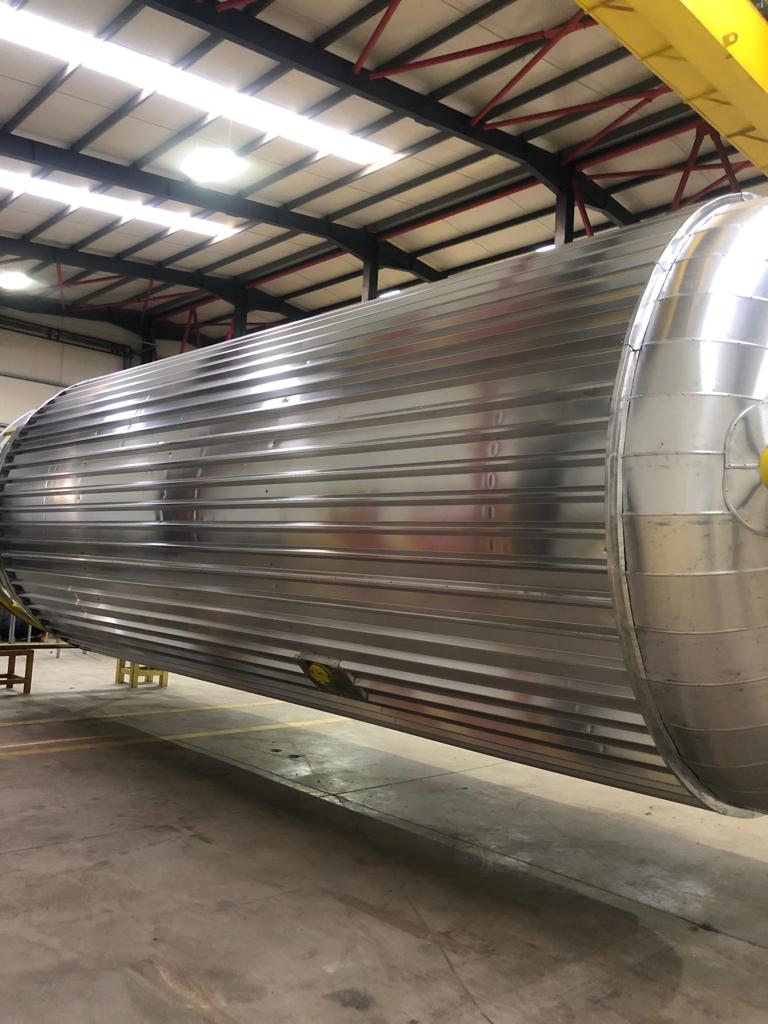
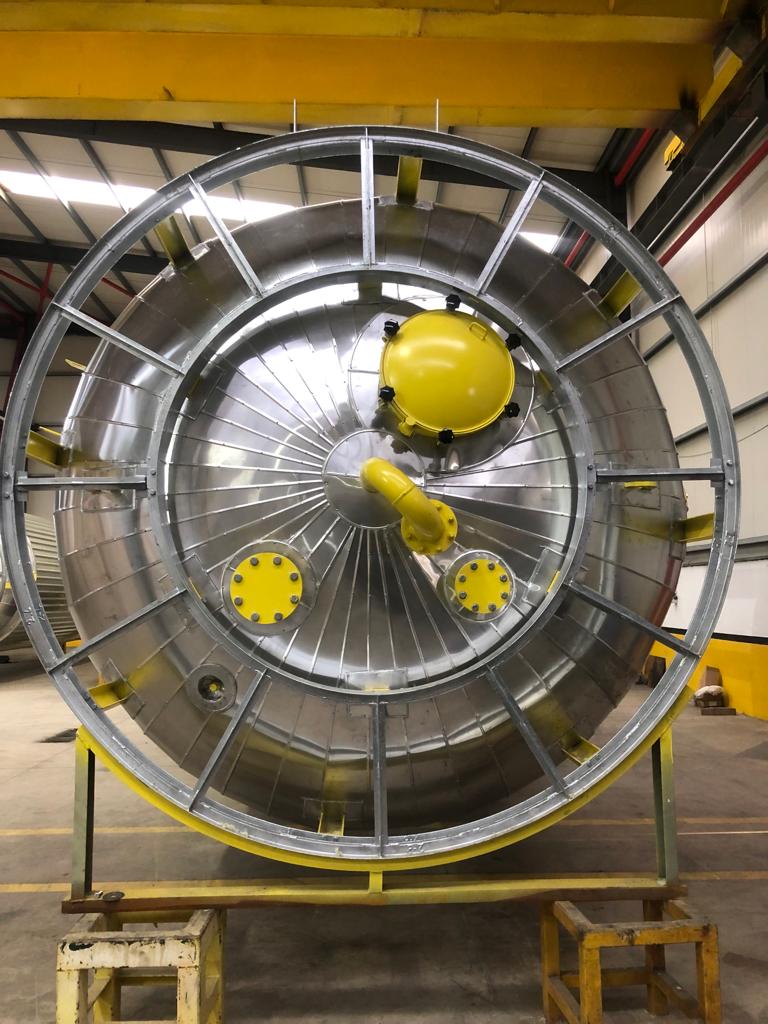
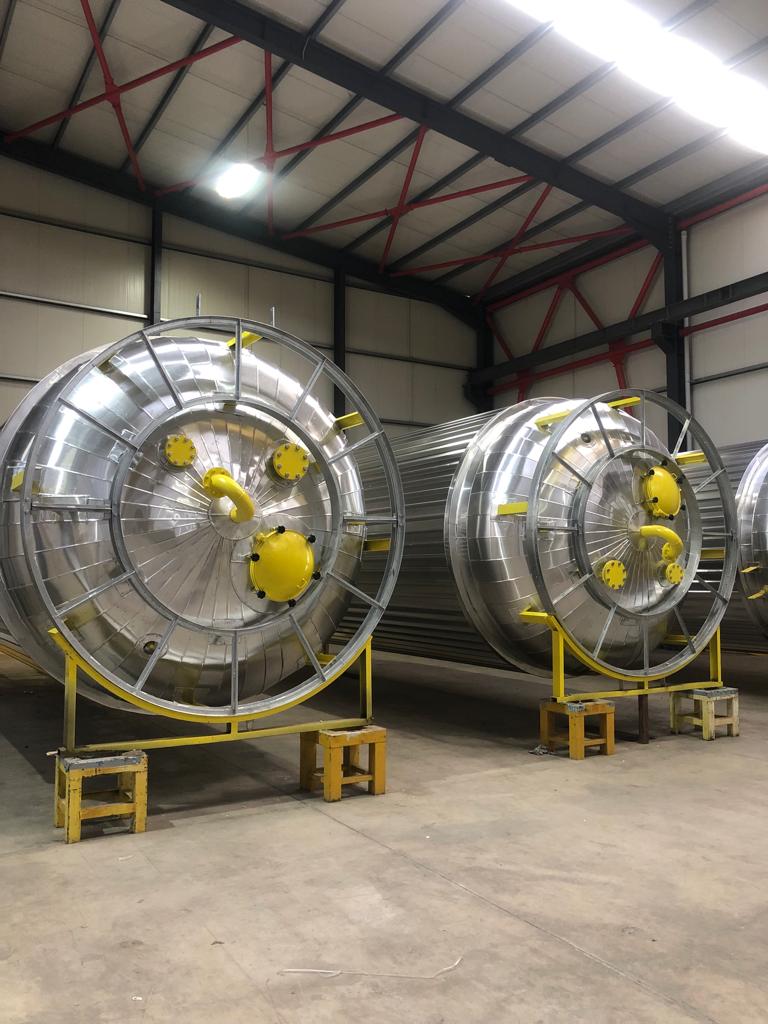
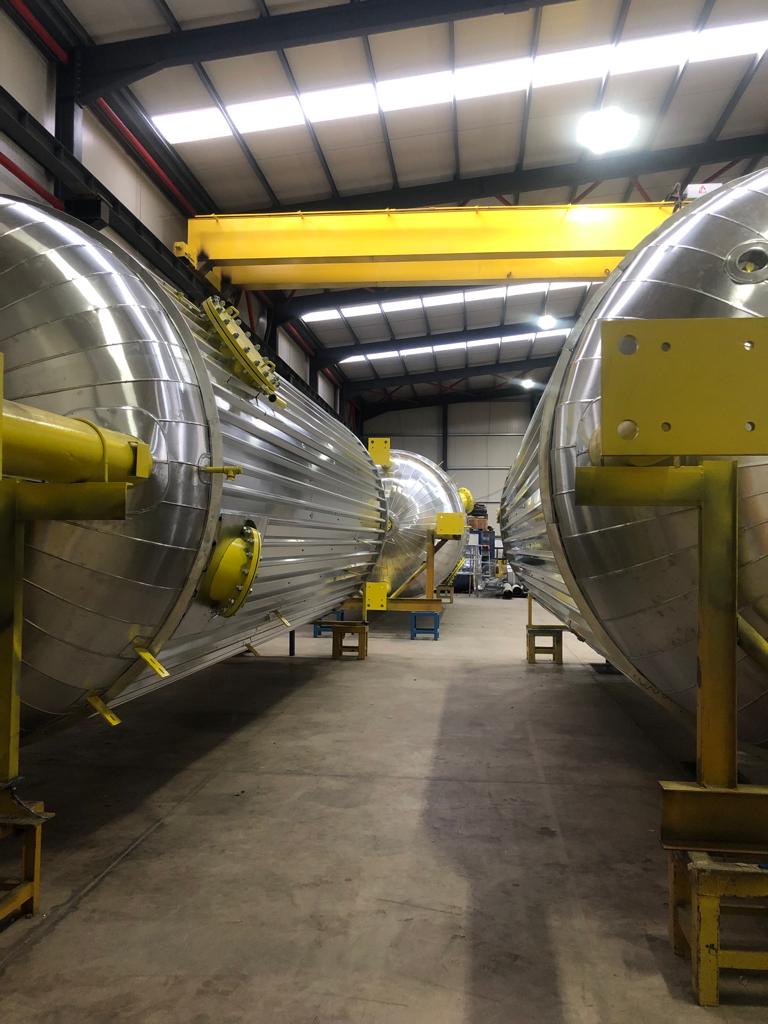
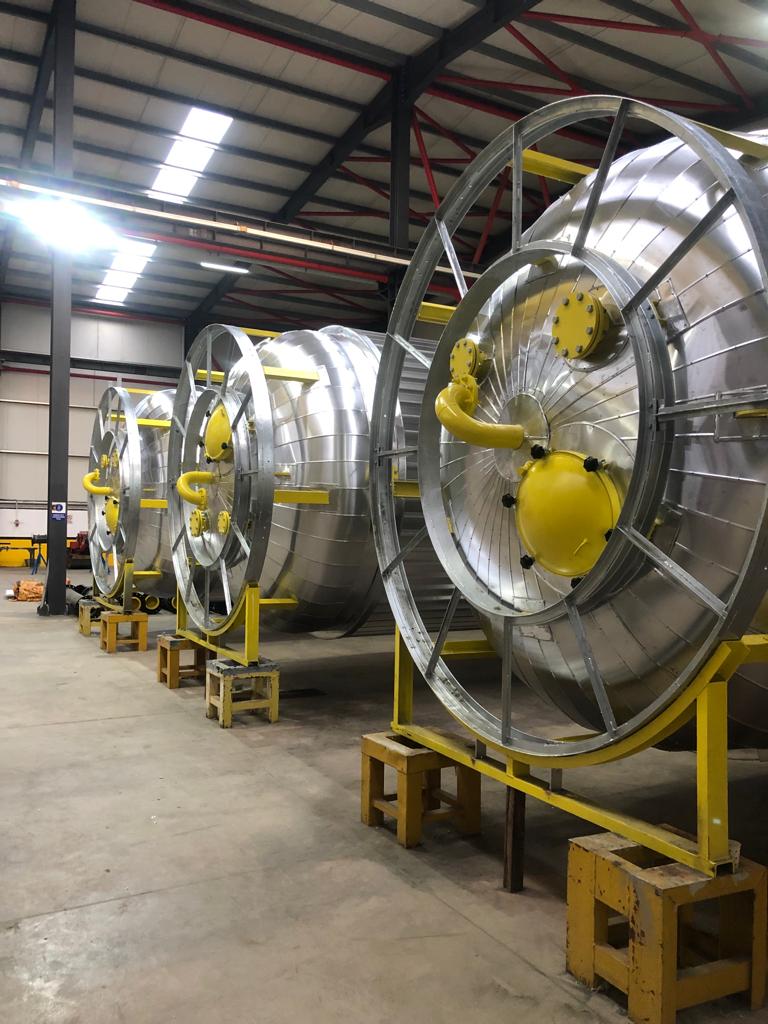
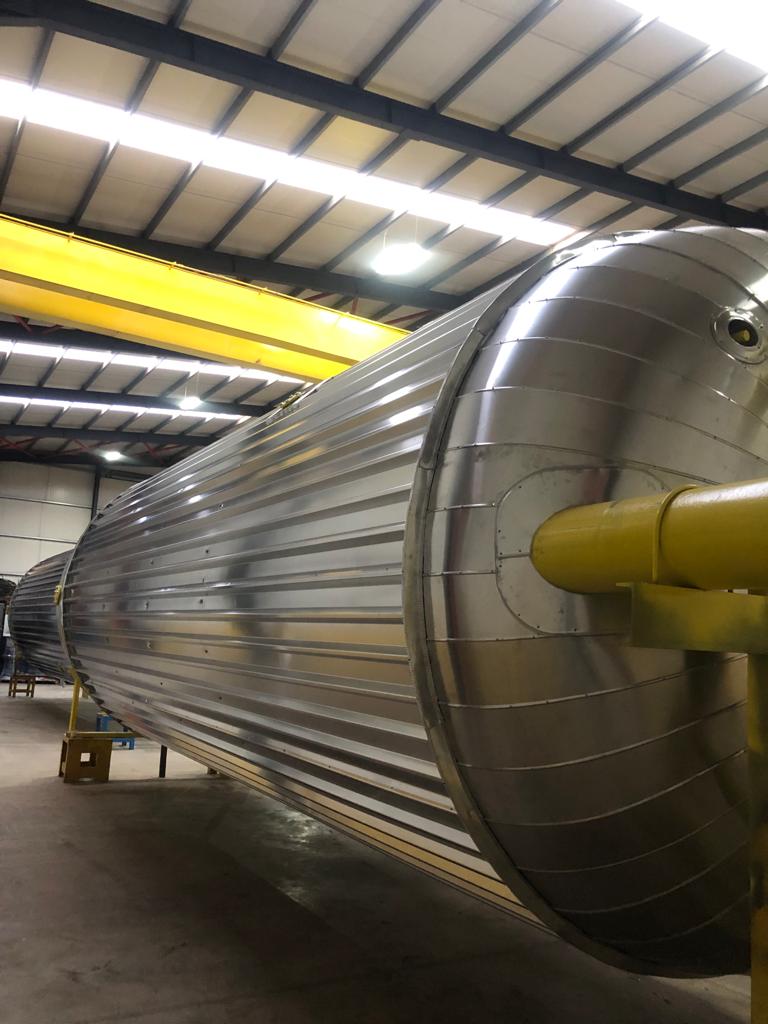
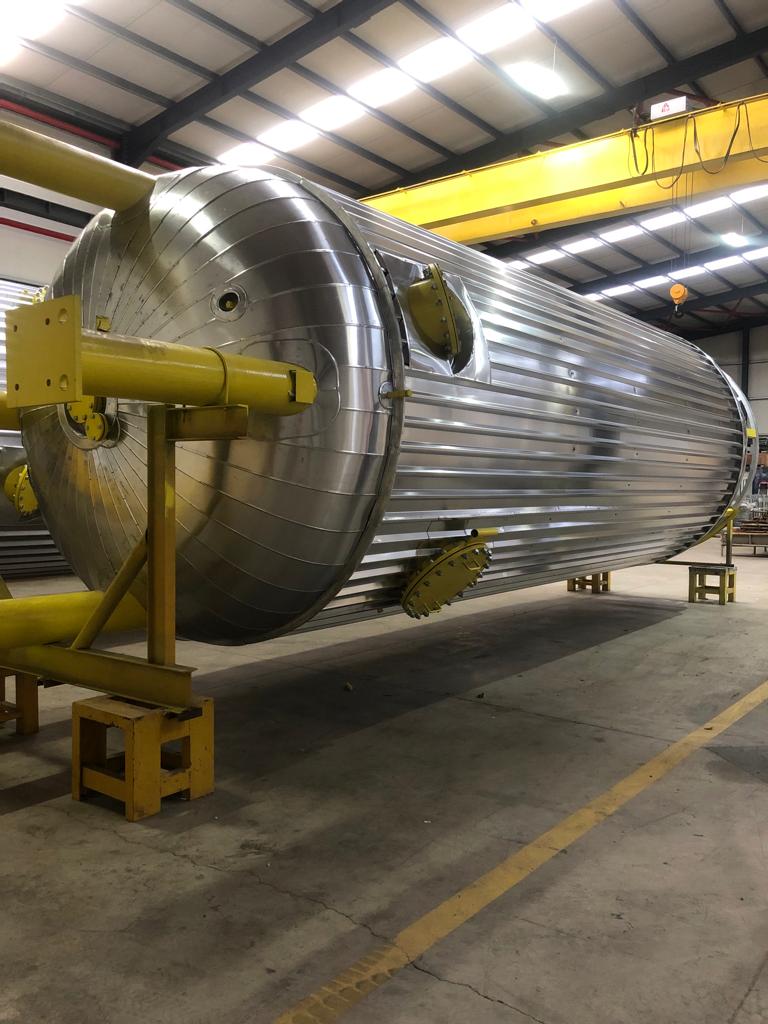
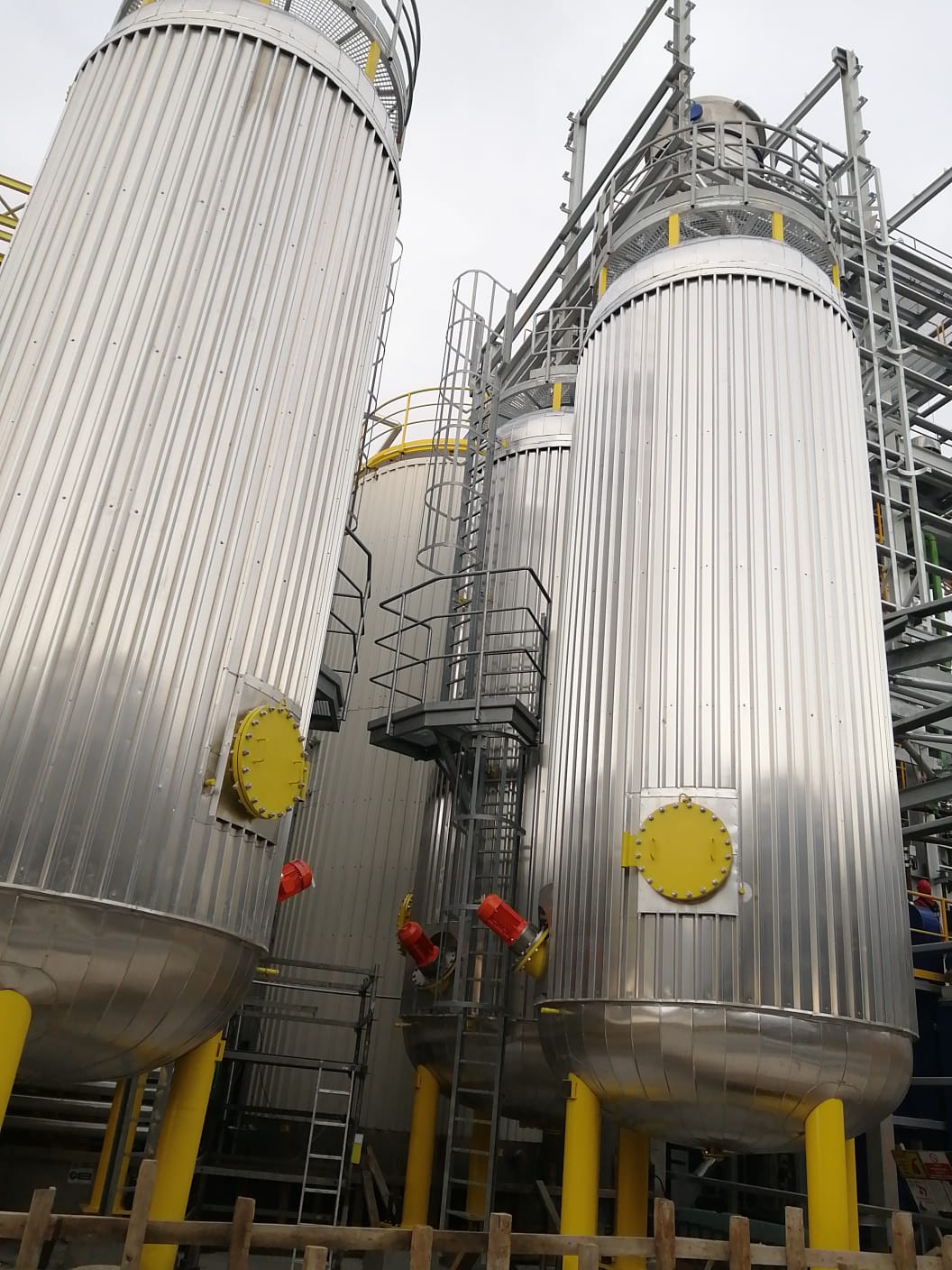
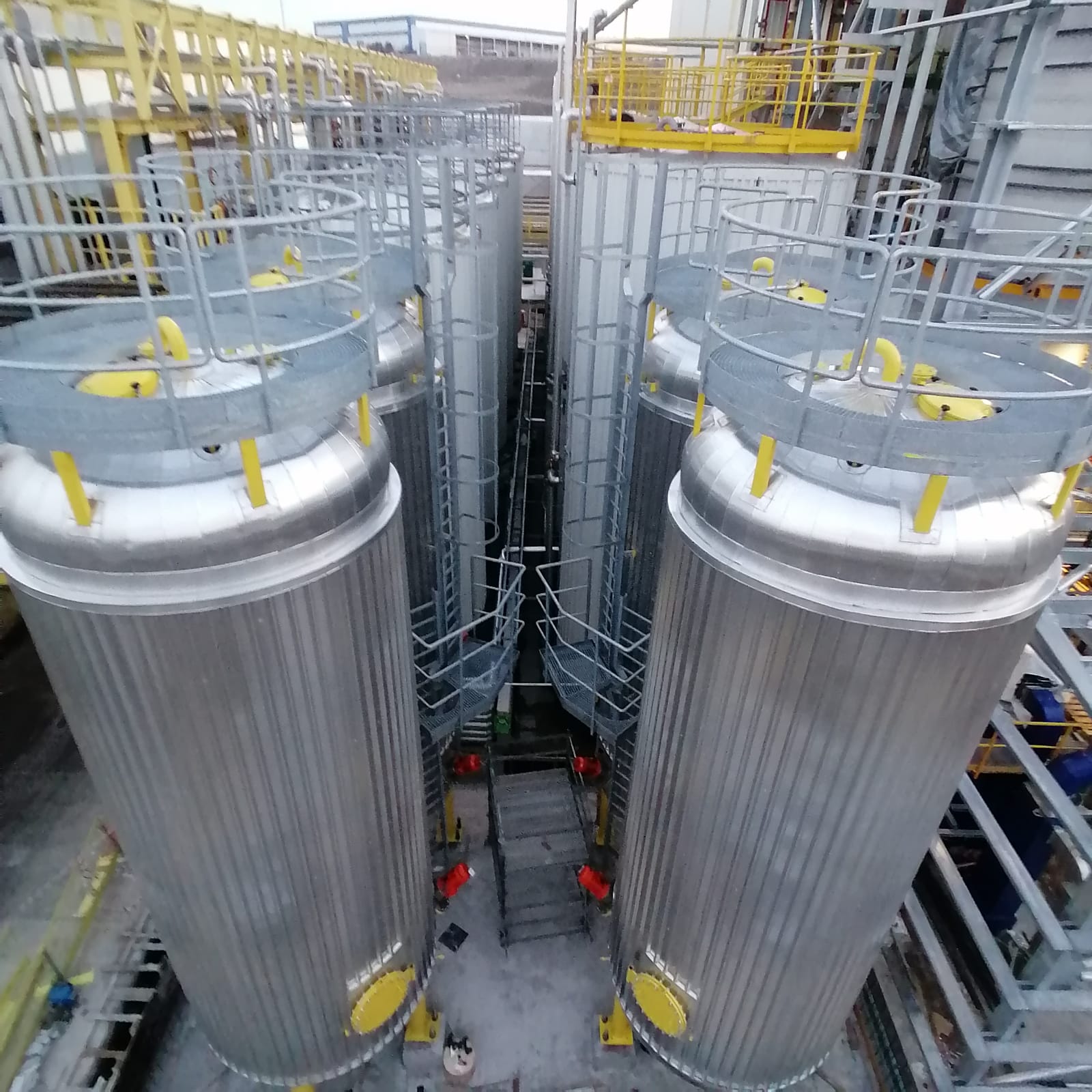
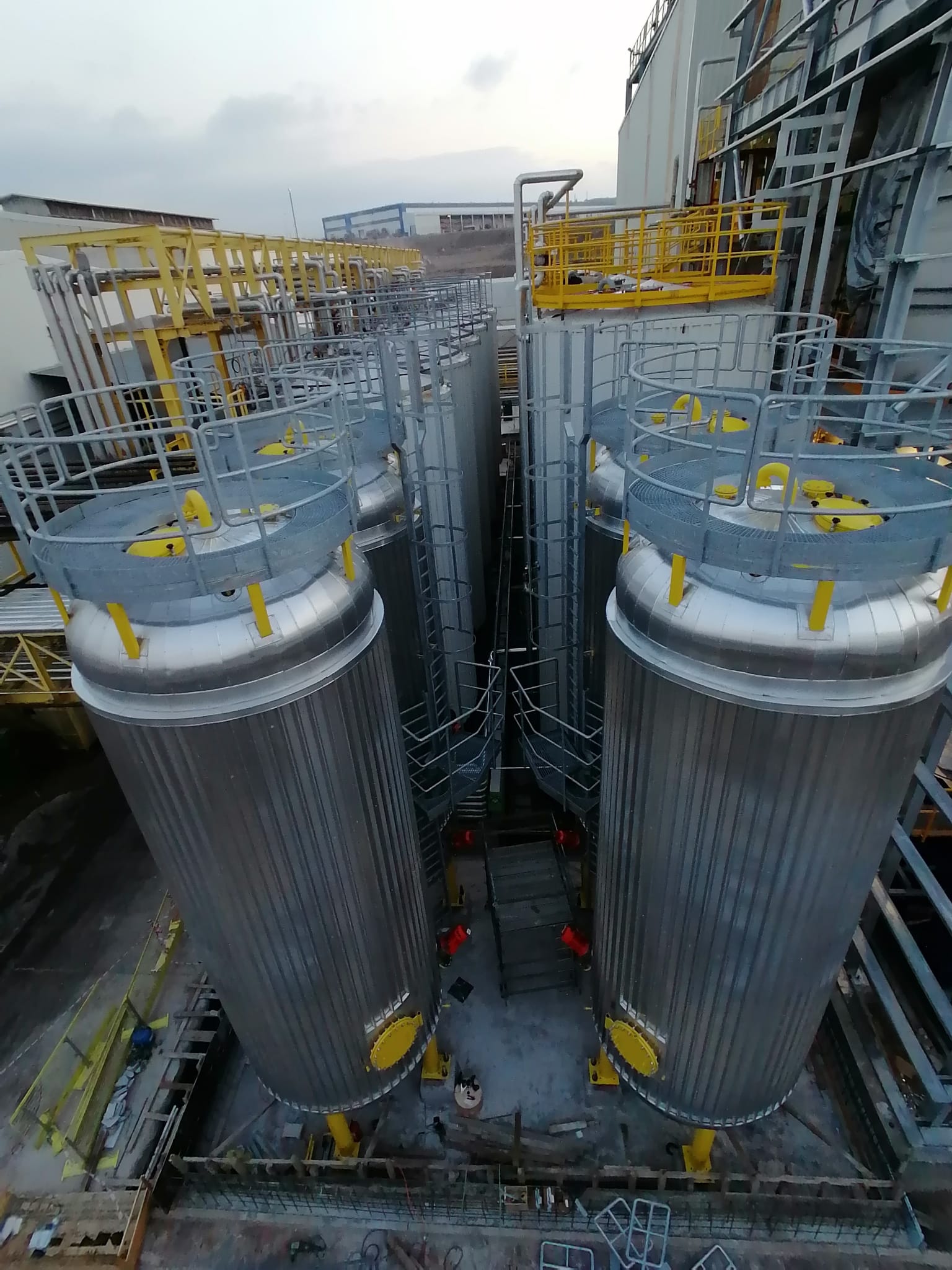
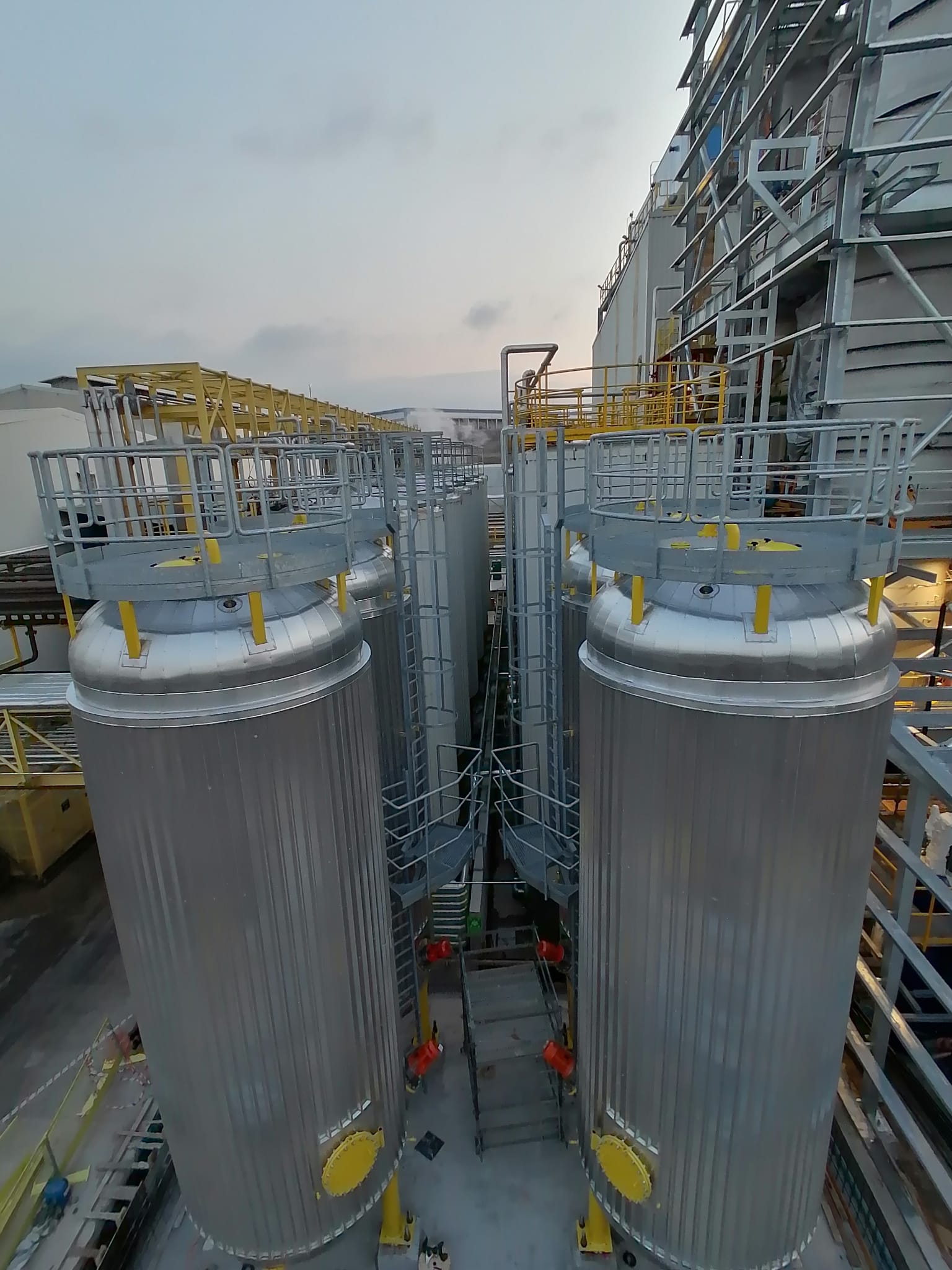
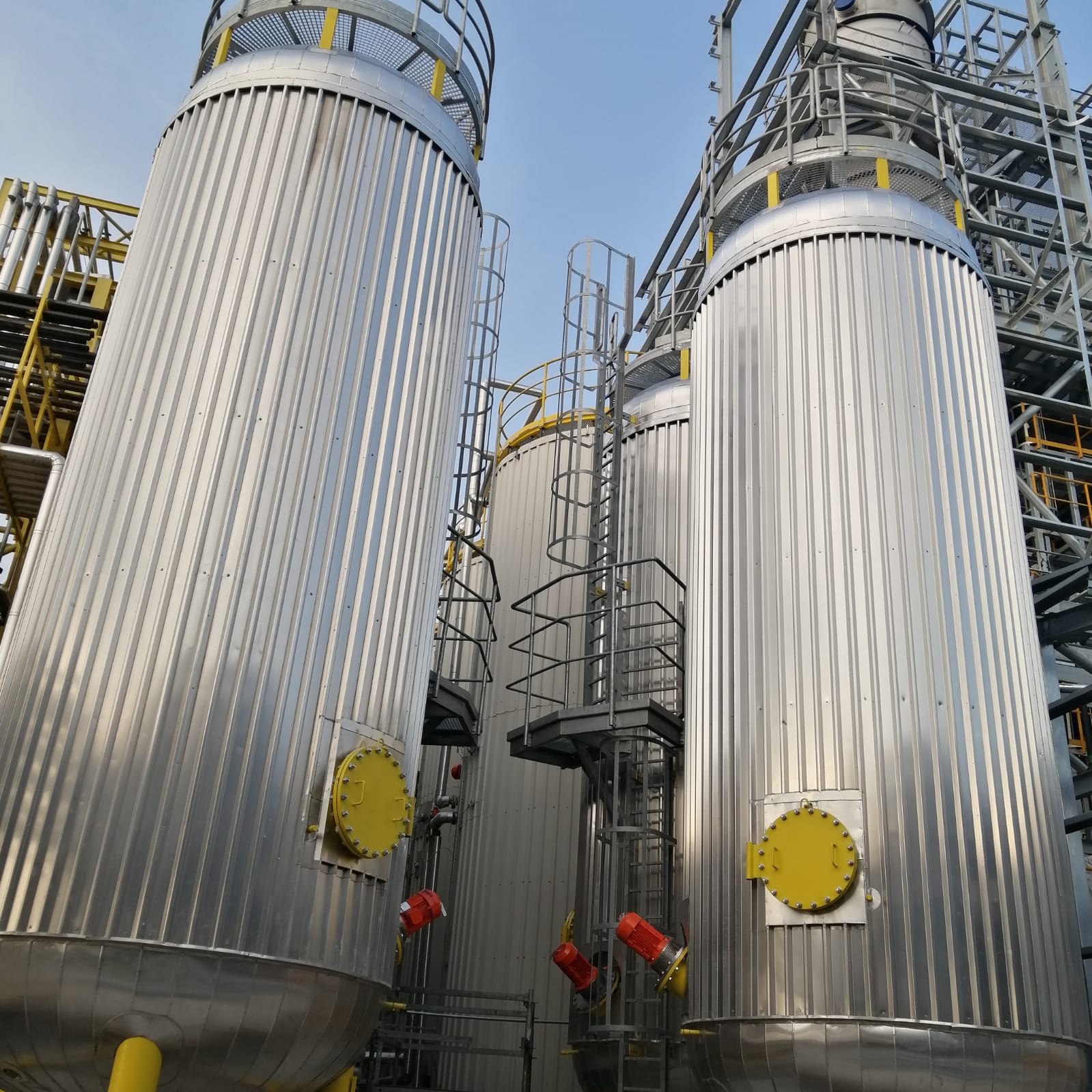
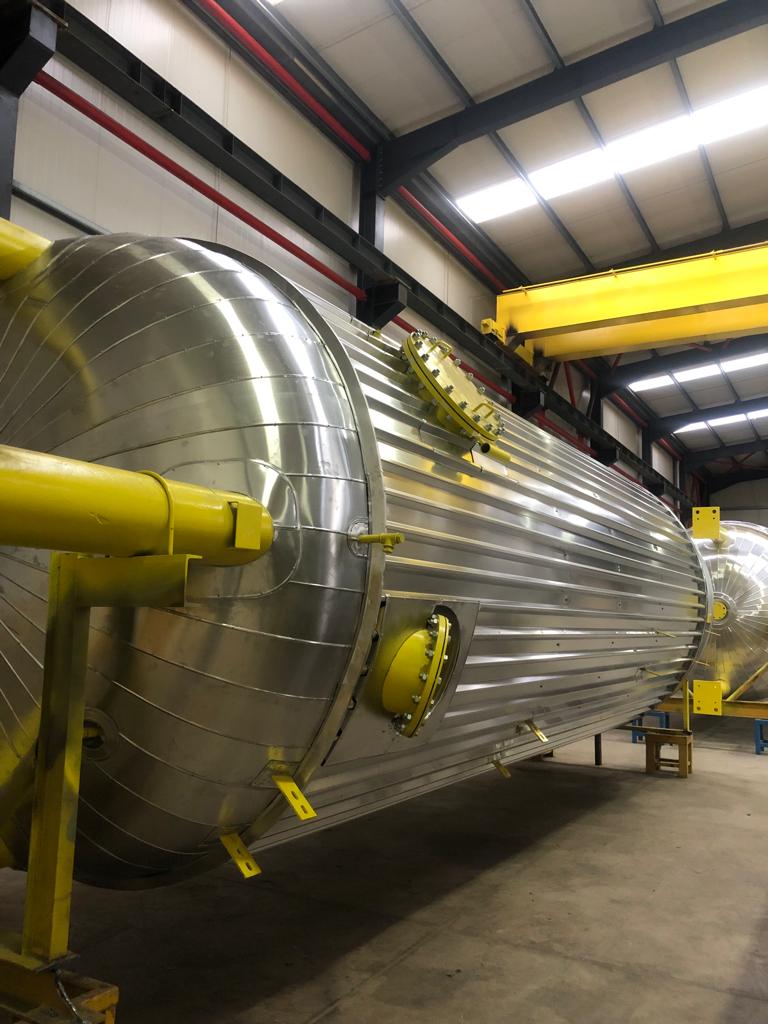
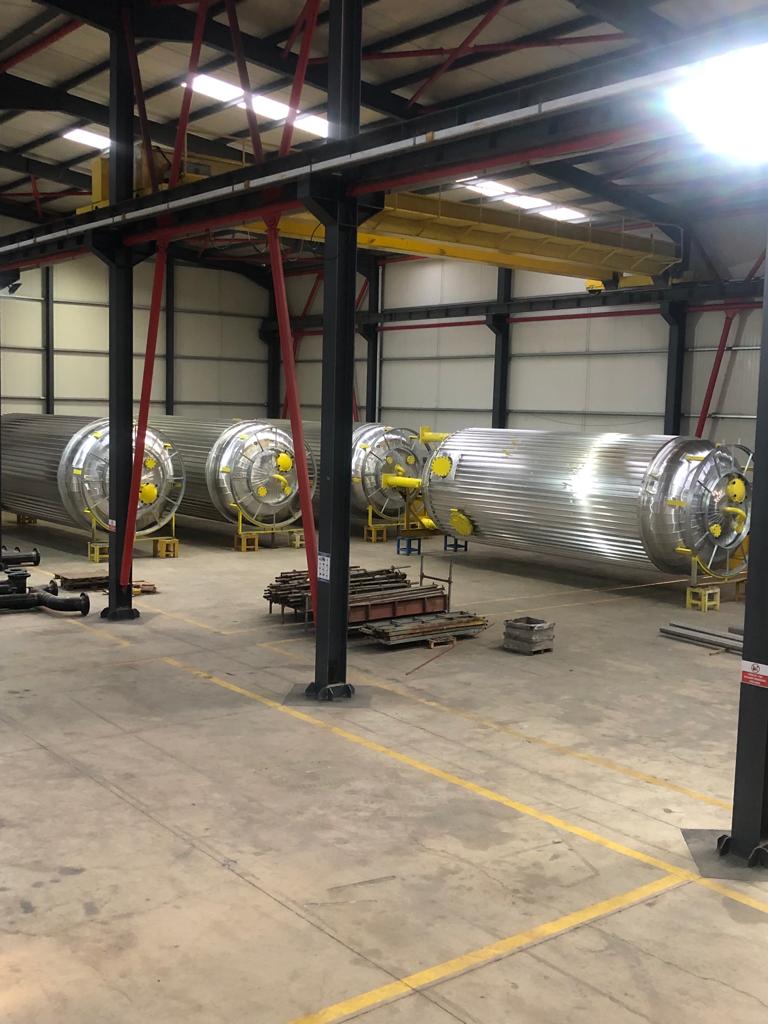
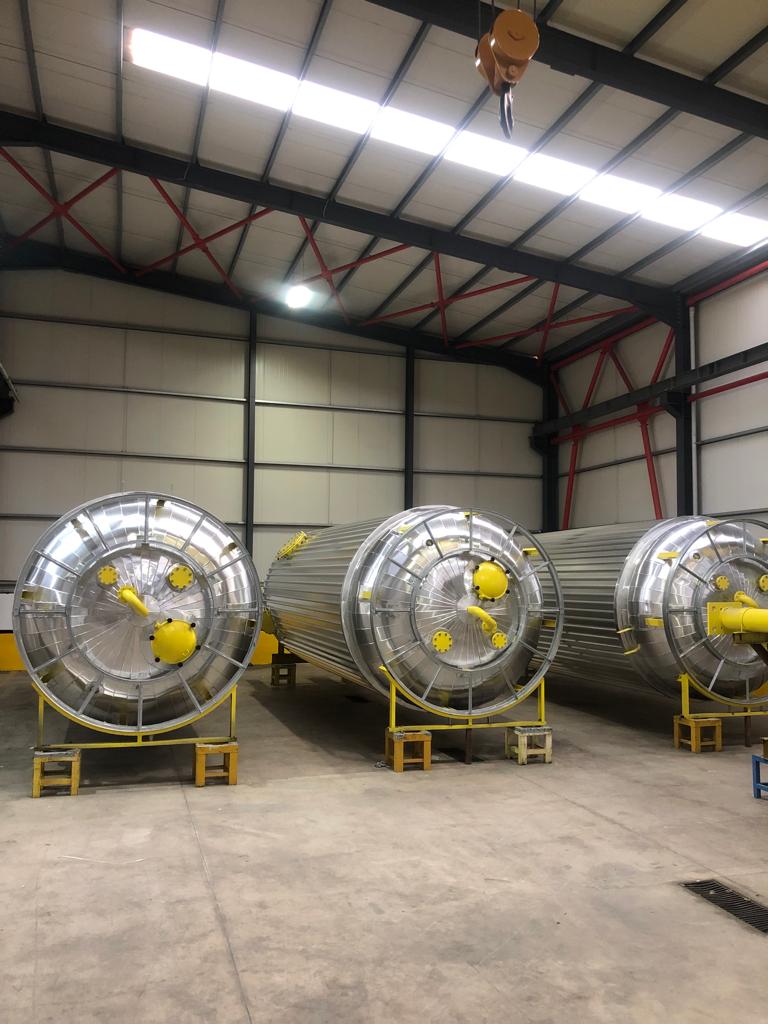
DRS Makina has once again demonstrated its engineering strength in industrial plant installation, heavy mechanical field operations, and high-precision process equipment fabrication through a comprehensive project. In this regard, the Soap Stock Tank project with a capacity of `$106\ \text{m}^3$`, executed for the integrated production facilities in Balikesir of a multinational food leader operating globally in agricultural product processing and industrial food solutions, has been successfully completed. The project is an integrated contracting effort encompassing all phases from the professional industrial dismantling of the legacy tank system, mechanical strength calculations, and fabrication of the new-generation equipment, to advanced insulation applications and turnkey site integration.
Professional Dismantling and Site Preparation Operations
The first critical phase of the project consisted of the safe and environmentally friendly dismantling of the legacy storage tank that had reached the end of its operational life at the existing facility site. DRS Makina field teams prepared detailed risk analyses and lifting plans to ensure that the plant’s active production cycle was not disrupted. The dismantling process, executed via heavy-duty mobile crane operations, was completed in full compliance with occupational health and safety (OHS) regulations; the decommissioned equipment was safely removed from the site, and ground preparations for the installation of the new-generation tank were executed flawlessly. This integration process demonstrates DRS Makina’s extensive field experience in industrial site management and Equipment Installation.
Mechanical Design and Thermal Calculations in Compliance with EN 13445 Standard
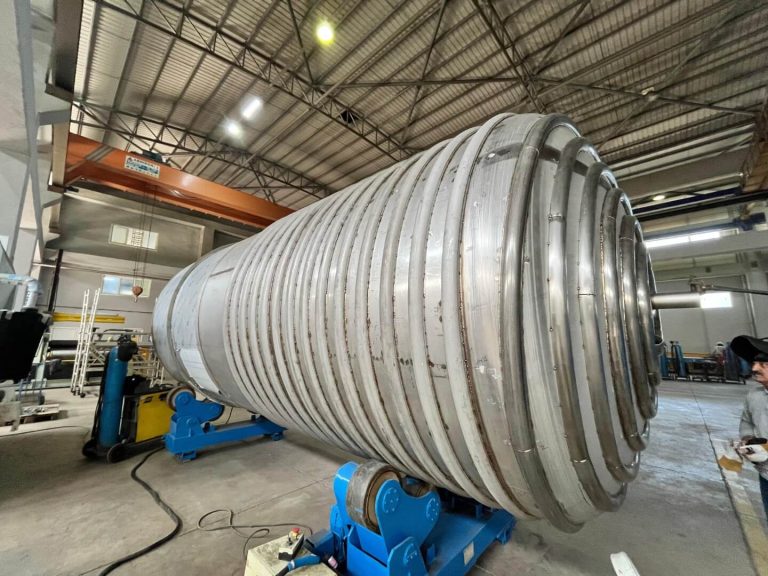
In tank systems where chemical/food byproducts with high viscosity are stored and fluidic limits must be maintained, seismic loads and wind resistance play a critical role. The DRS Makina engineering team performed the mechanical wall thickness calculations of the tank in compliance with the European EN 13445 standard. Based on calculations referenced to the seismic data and wind maps of the Balikesir region and validated through mechanical finite element analysis (FEA); the tank shell plate thickness was optimized at `$6\ \text{mm}$`, the top and bottom dished heads at `$8\ \text{mm}$`, and the load-bearing skirt plate thickness at `$12\ \text{mm}$`. To maintain the fluid at a transferable viscosity level, the thermal design of the spiral-type coil system to be placed inside the tank was also engineered in-house by DRS Makina, calculating the optimum heat transfer coefficients. All of these complex engineering processes were completed within the framework of our proprietary design documentation standards.
High-Strength Material Metallurgy and Hygienic Surface Treatments
To eliminate potential corrosive effects during the process and preserve product quality, low-carbon austenitic AISI 316L grade stainless steel, which exhibits extremely high corrosion resistance, was preferred for the shell plates and internal spiral coil lines in direct contact with the product. The skirt, walkways, and stair groups bearing the external loads of the tank were manufactured from S235JR structural carbon steel. All stainless and carbon steel raw materials utilized in fabrication possess EN 10204 3.1 material certification. To fully satisfy food hygiene requirements, mechanical belt polishing was applied to the internal weld seams of the tank. To completely eliminate the risk of post-weld corrosion, professional chemical acid cleaning and passivation treatments were meticulously applied to all internal and external weld zones. This premium fabrication philosophy is a direct testament to DRS Makina’s high standards in Pressure Vessel Fabrication and hygienic equipment standards.
Welding Technologies and Rigorous NDT (Non-Destructive Testing) Protocols
All welding operations were performed by certified welding personnel in accordance with pre-approved WPS (Welding Procedure Specification) and PQR (Procedure Qualification Record) documents, taking the operating pressure and dynamic loads into consideration. To verify tightness and structural integrity, the following test procedures were rigorously executed:
- Radiographic Testing (RT): RT was applied at a rate of 10% on the main shell welds of the tank; furthermore, 100% RT was performed on all welded joints of the internal spiral coil lines, which require a high safety margin and pressure resistance, certifying the flawless internal structure of the welds.
- Penetrant Testing (PT): All welds on nozzle connections, fillet seams, and skirt-to-shell joint configurations were subjected to 100% liquid penetrant testing.
- Visual Testing (VT): Visual inspections were conducted at every stage of fabrication by our quality control specialists qualified according to EN ISO 9712 standards.
- Hydrostatic Testing: The completed tank and coil systems were subjected to hydrostatic pressure tests at test pressures exceeding design limits, validating complete tightness.
Industrial Thermal Insulation, Instrumentation Integration, and Field Installation
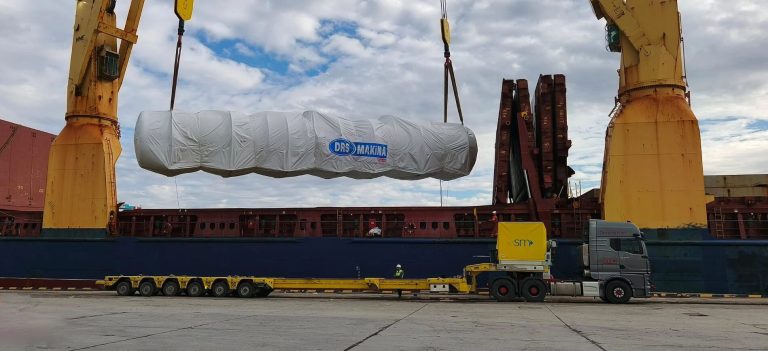
The tank, fabricated at our modern facilities in IMES OSB, Dilovasi, Kocaeli, was insulated in-house prior to shipment to shield it from ambient environmental conditions and deliver high energy efficiency. Within this scope, the tank shell was covered with an `$80\ \text{mm}$` thick, `$125\ \text{kg/m}^3$` high-density rock wool layer and clad with weather-resistant corrugated aluminum sheeting. Once the logistics shipment to the construction site in Balikesir was completed without damage, the equipment was anchored onto the existing foundations. Within the scope of field installation operations; the product agitator shaft and blade assembly, load cell weighing system integration, level and temperature sensors, and instrument connections were completed. Along with the “Self-Declaration” documents prepared for the tank shell and the CE marking executed under PED (Pressure Equipment Directive 2014/68/EU) for the coil system, the Manufacturer Data Book containing all quality records was delivered in full, and the system was commissioned in operational condition.