

Equipment Fabrication
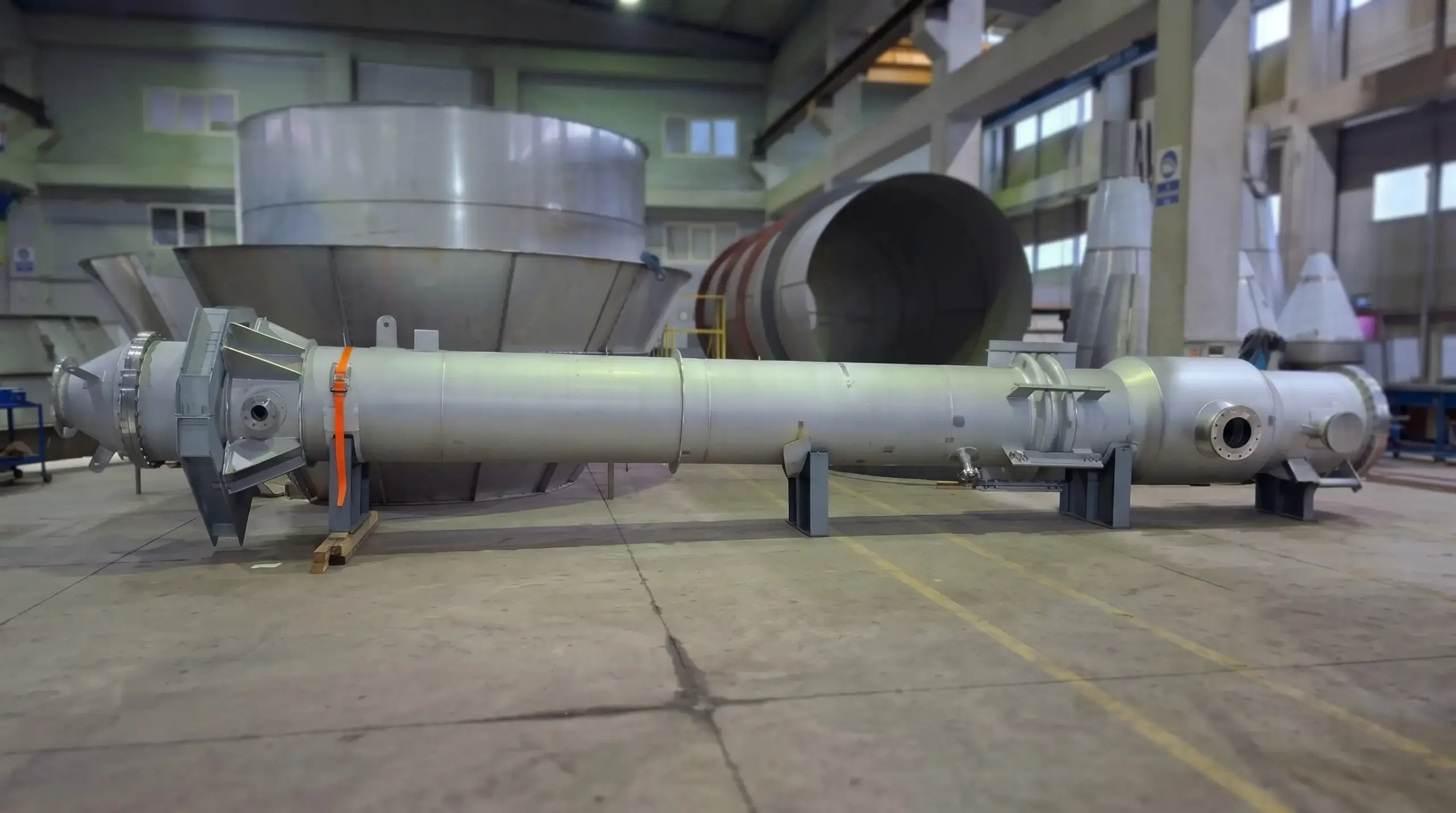
Stainless Steel Heat Exchanger Fabrication: Engineering and Manufacturing of an AISI 316L Reboiler
About the Project
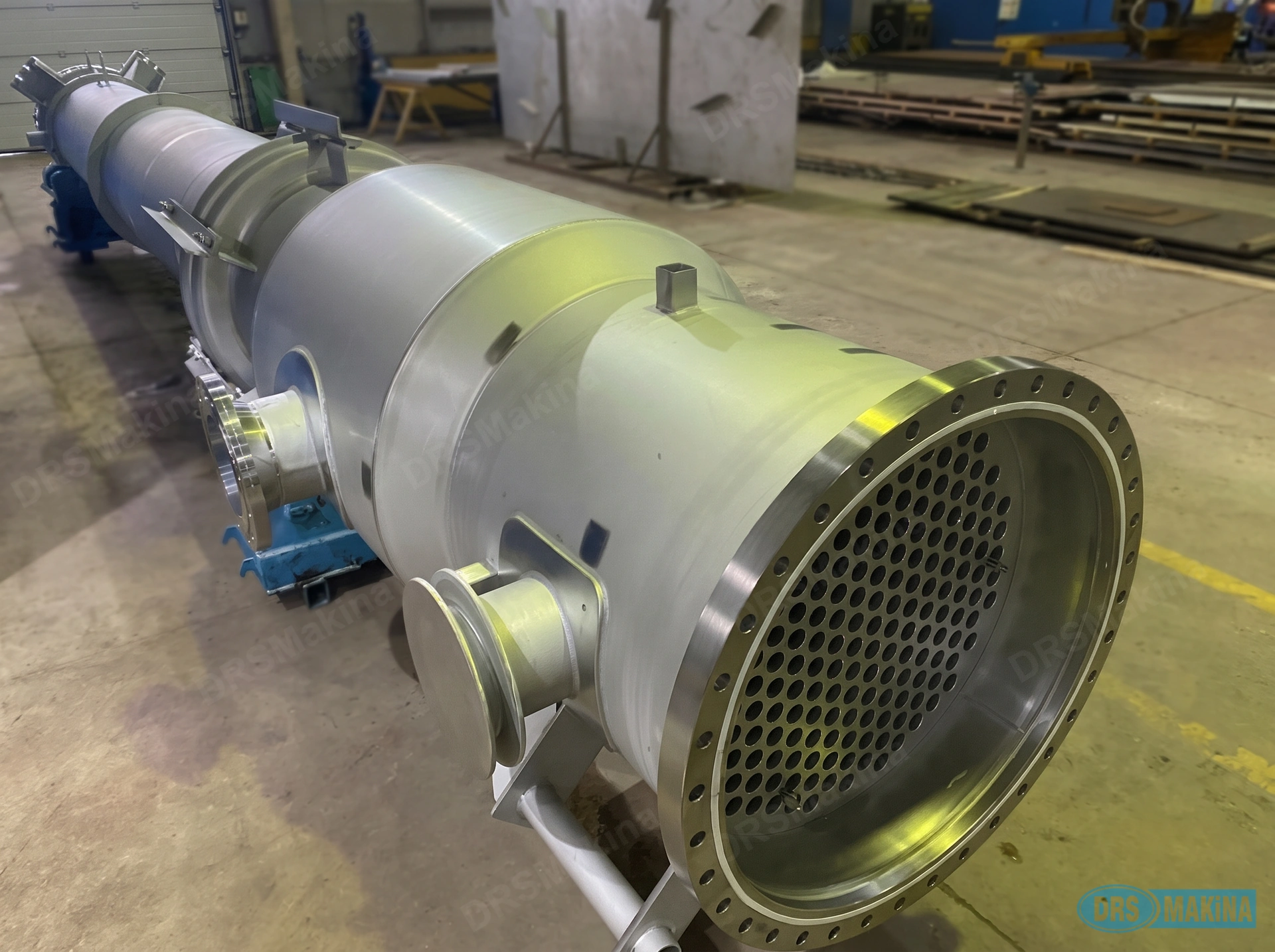
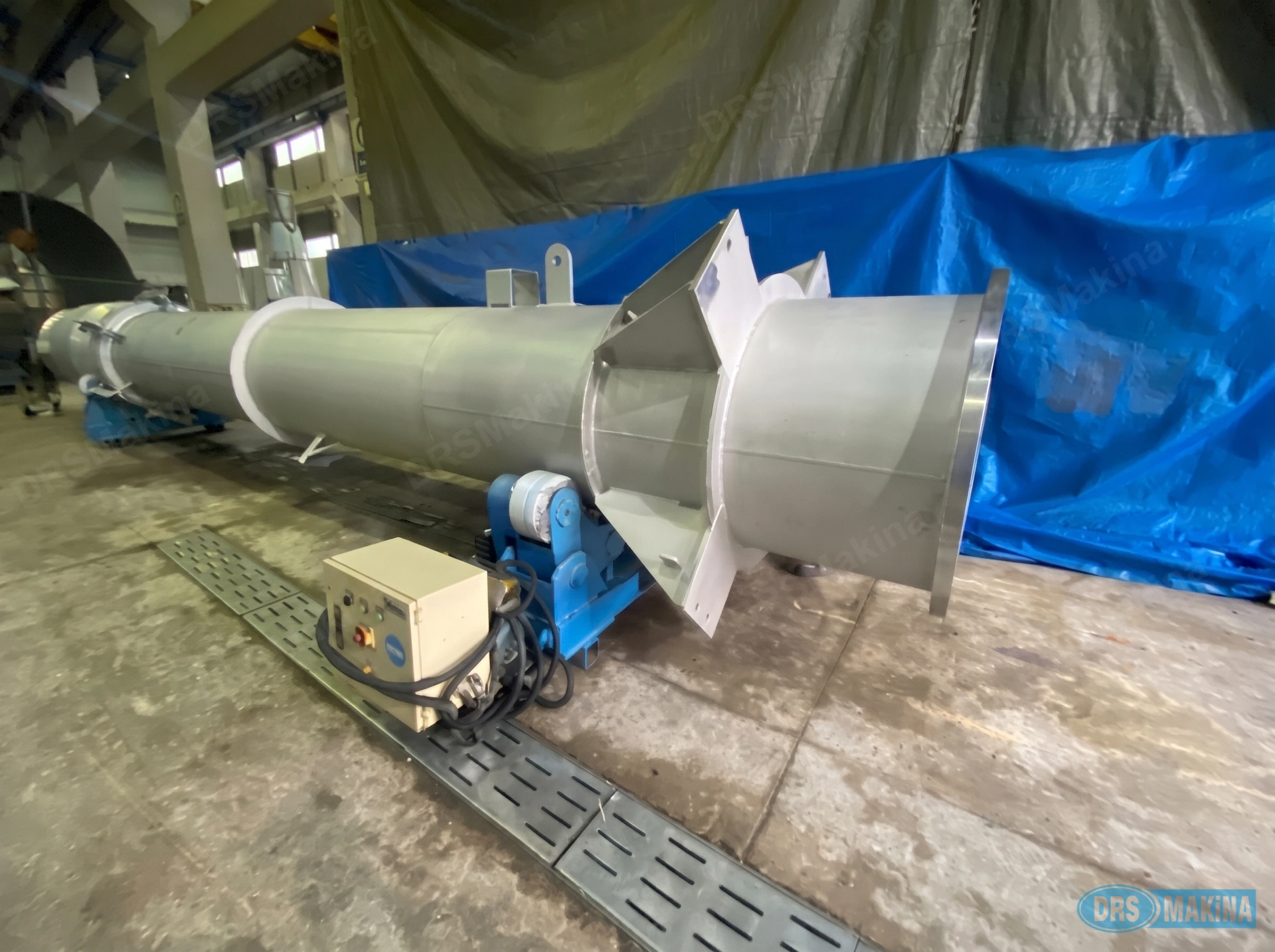
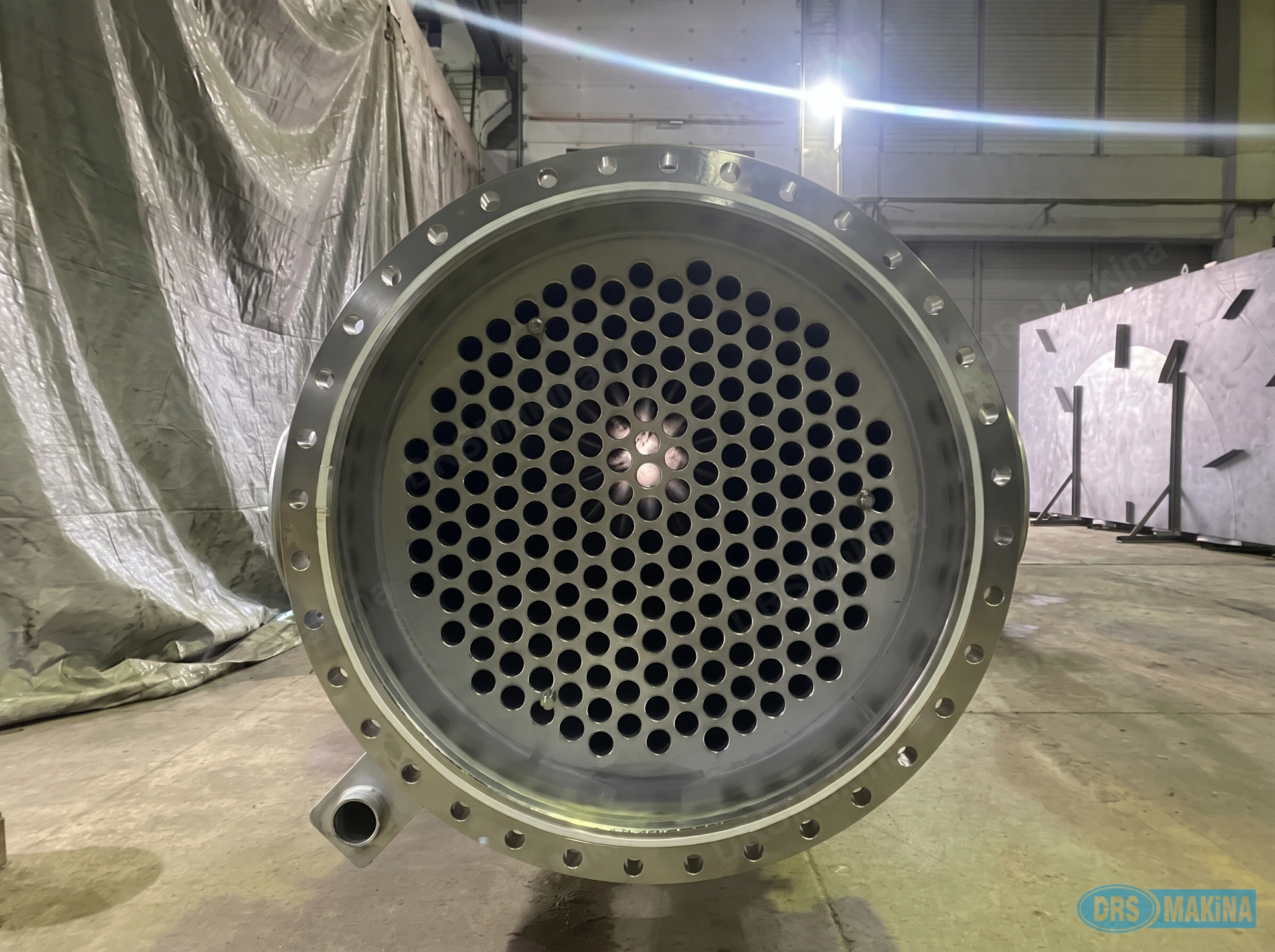
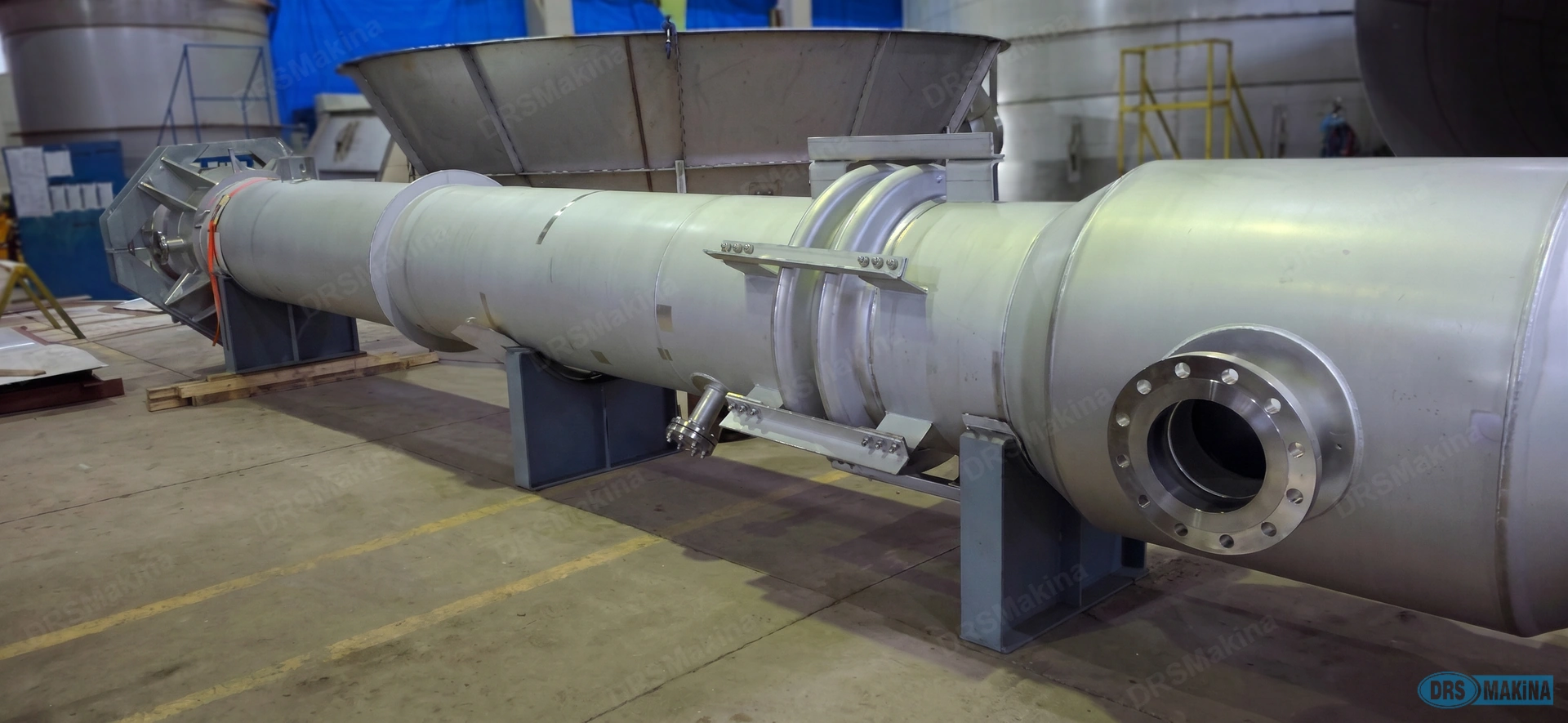
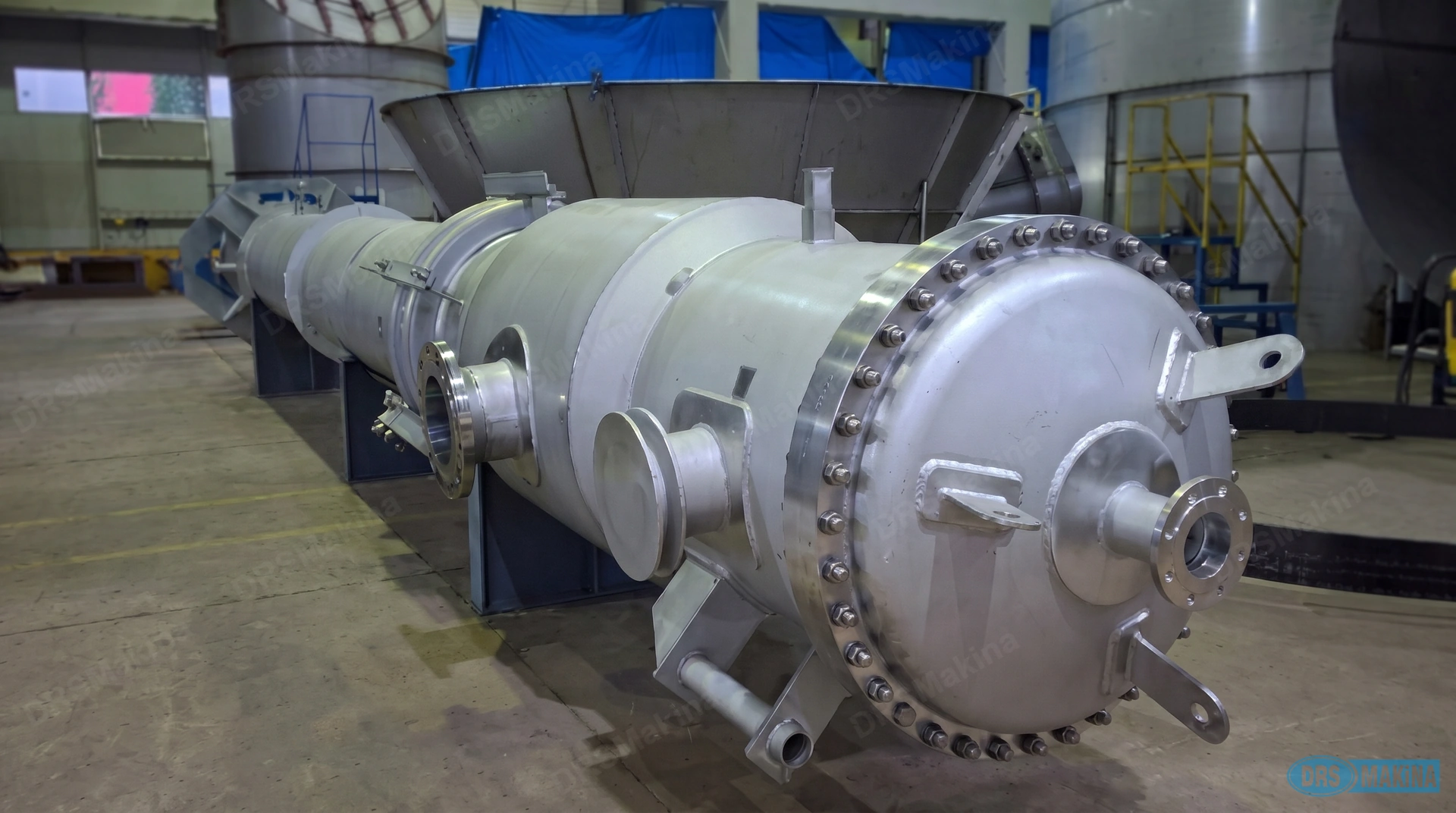
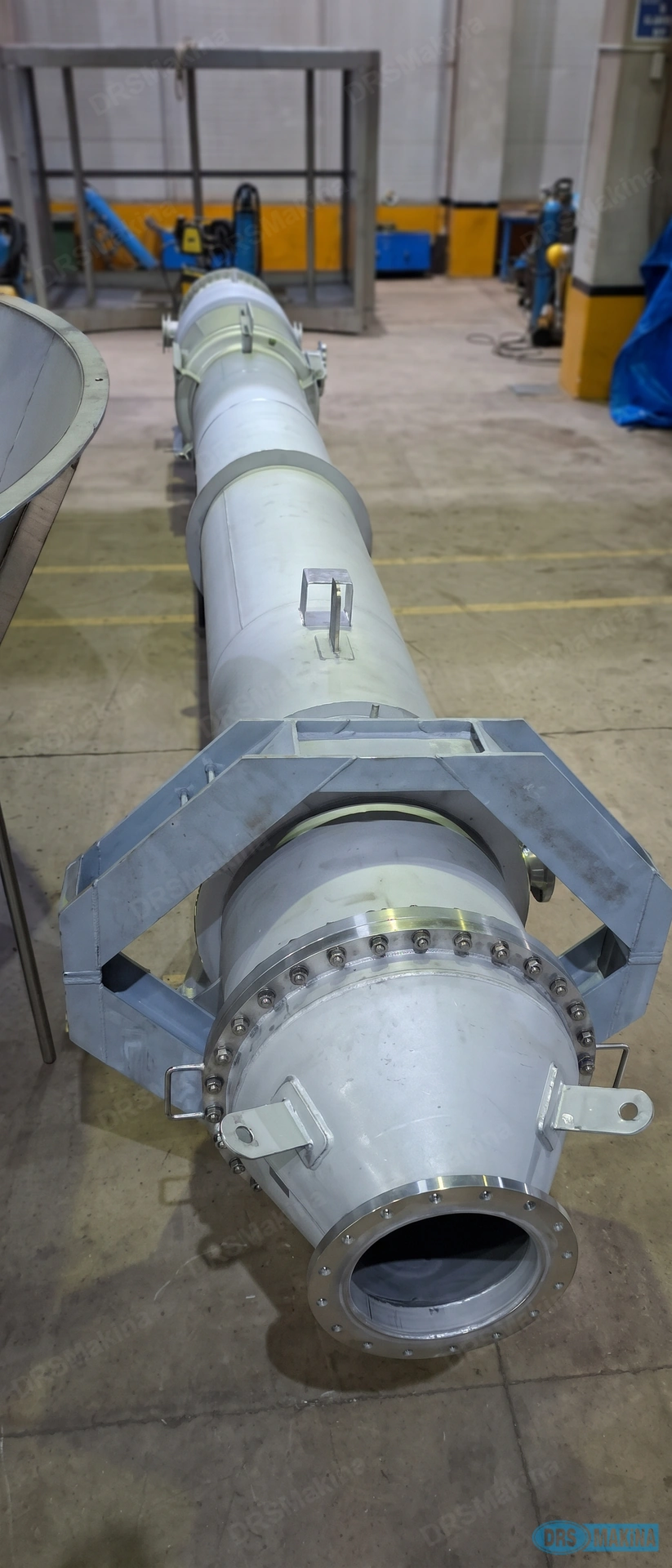
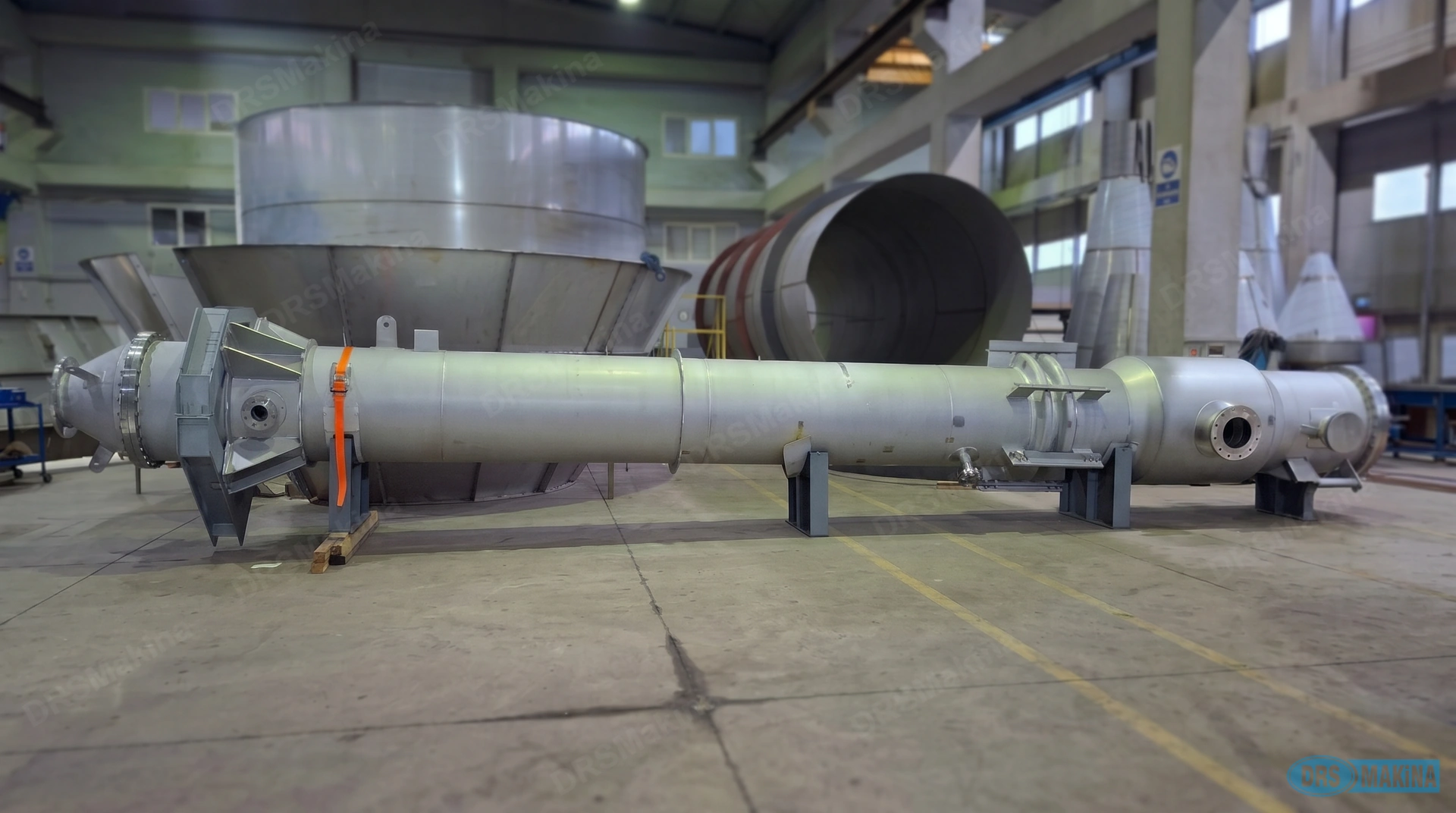
Stainless Steel Heat Exchanger Fabrication and Quality Assurance for an AISI 316L Process Reboiler
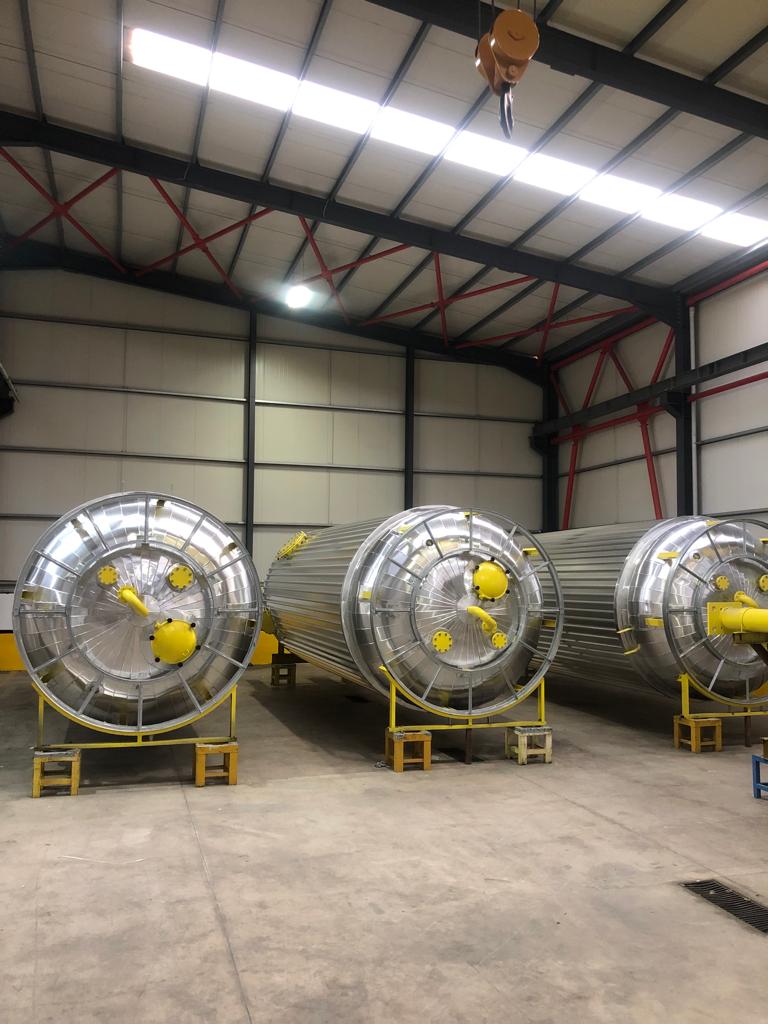
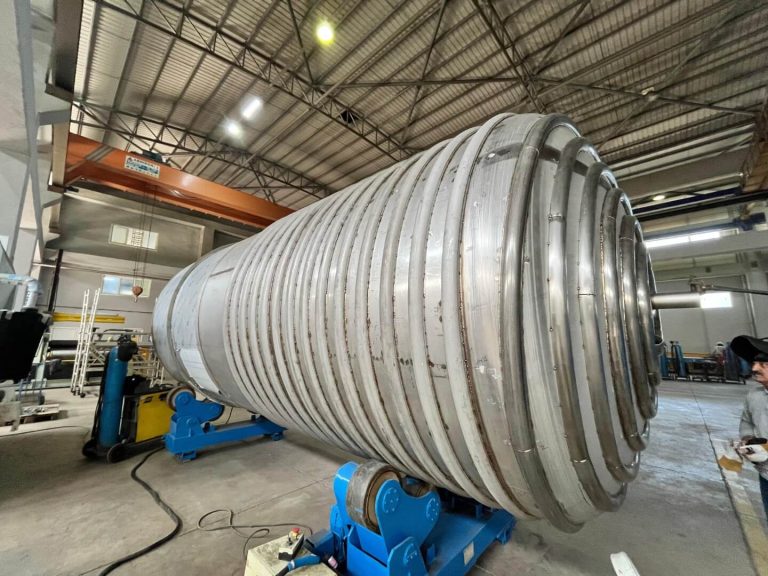
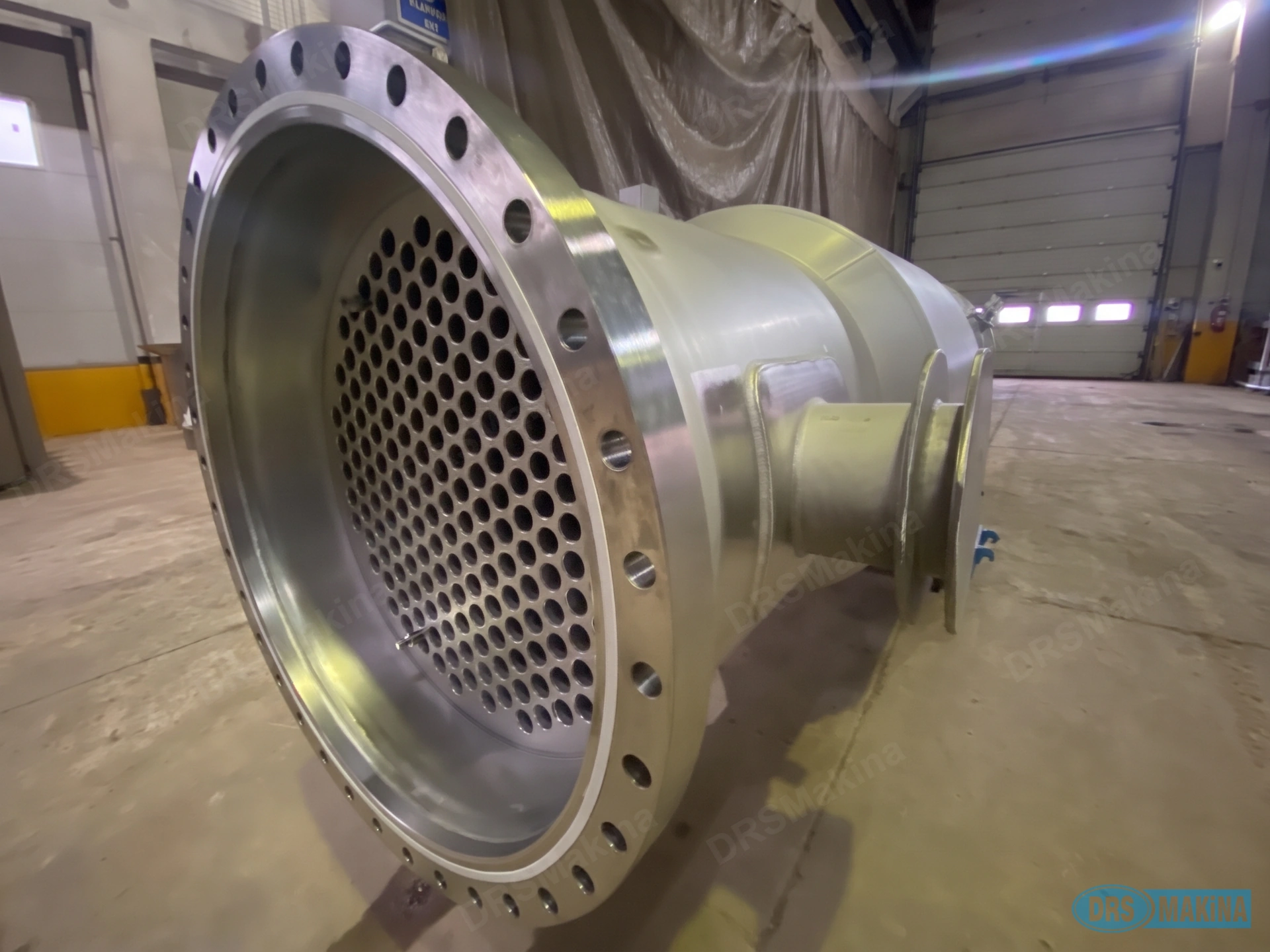
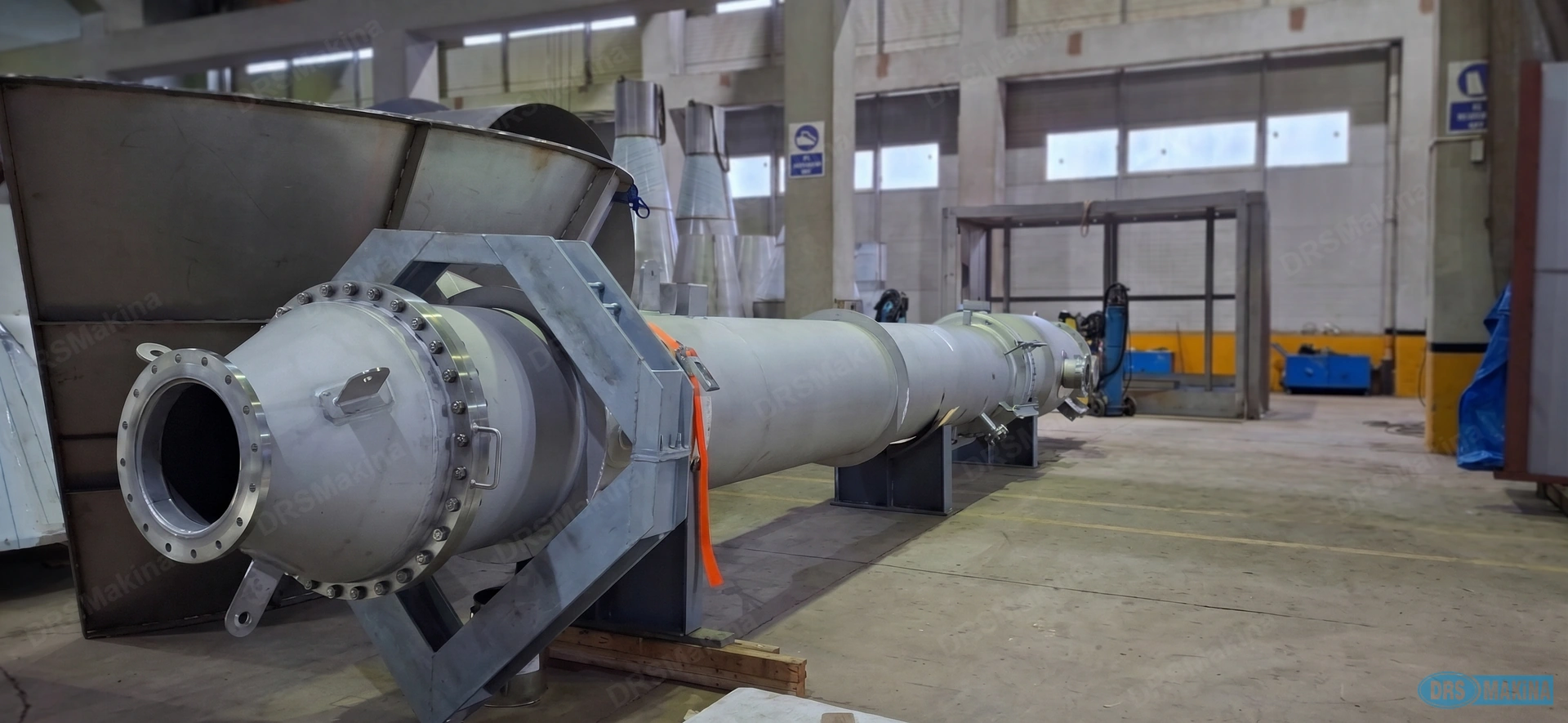
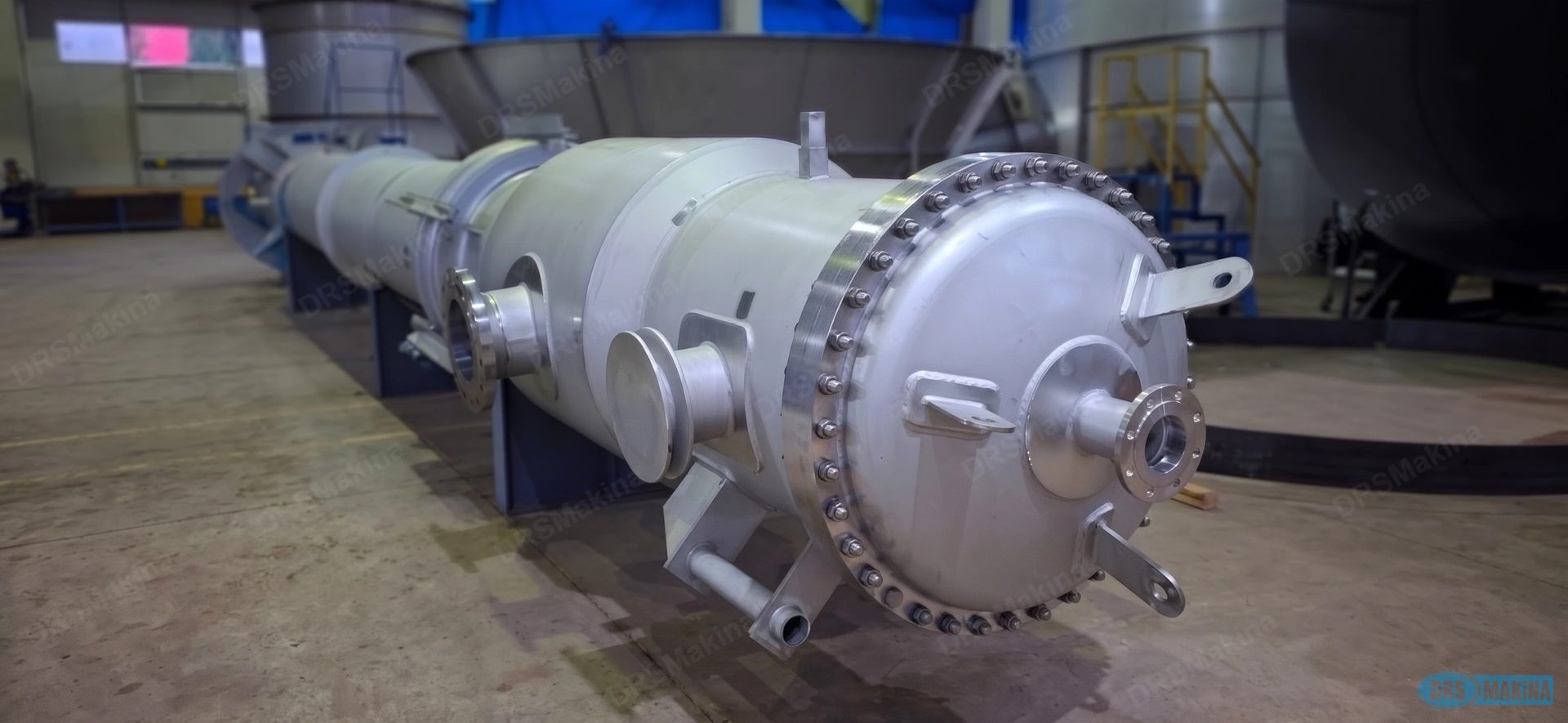
Designed to the process requirements of an international technology provider specialising in thermal process engineering and industrial evaporation, the HE303 reboiler heat exchanger was successfully completed at DRS Makina’s advanced fabrication facility in the İMES Organized Industrial Zone, Dilovası, Kocaeli. This shell-and-tube stainless steel heat exchanger, built for critical heat transfer duties in the heavy chemical, petrochemical and process industries, was fabricated as a single piece in full compliance with the Pressure Equipment Directive (PED 2014/68/EU) and approved quality management procedures.
Engineering Strength Calculations and Detailed Fabrication Drawings
During the mechanical design phase, the DRS Makina engineering department carried out wall thickness calculations based on the operating pressure, thermal expansion loads and differential stress parameters the equipment will be exposed to in service. In the design and mechanical verification phase, performed with licensed engineering software and in line with international codes, strength analyses of the shell, tubesheets, nozzles and support saddles were completed. Based on the verified thicknesses, workshop fabrication drawings (shop drawings) and optimised plate-cutting layouts (nesting) were prepared.
AISI 316L (1.4404) Material Metallurgy and Fabrication Methods
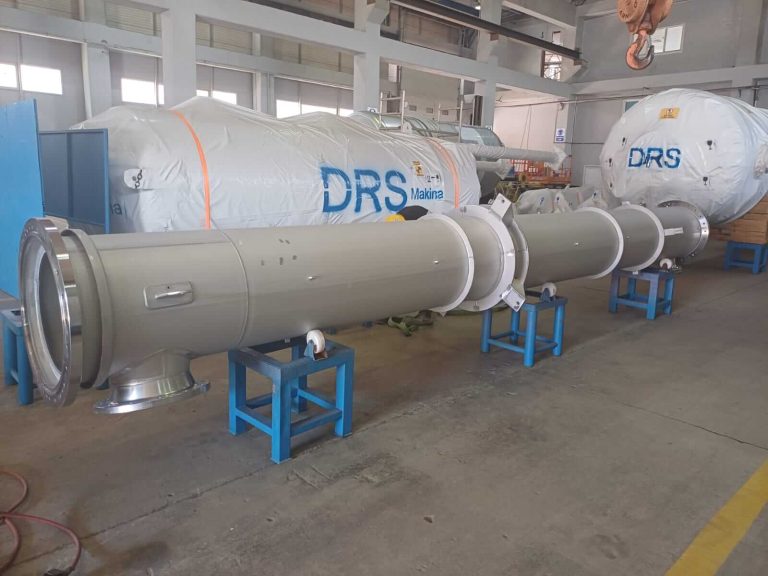
Given the aggressive chemical process conditions and the corrosive evaporation environment, austenitic stainless steel EN 1.4404 (AISI 316L), with its superior corrosion resistance, was selected for all wetted surfaces. The plates were supplied with a No. 1 (1D) surface finish, and all pressure-bearing stainless plates, flanges, nozzle pipes and forged components carry EN 10204 3.1 material test certificates. Pipework of DN300 and above was produced in the DRS Makina workshop from certified stainless plates by precision plate rolling and automated welding. Body flanges, sight glasses, manway connections, gasket sets and fasteners were fitted under integrated engineering coordination, completing every stage of heat exchanger manufacturing.
Tube-to-Tubesheet Joints and Qualified Welding Procedures (WPS / PQR)
Fitting the seamless tubes that form the primary heat transfer surface into the tubesheets is the most critical stage for thermal and mechanical tightness. After the tube bundles were inserted into tubesheets machined on precision CNC equipment, the tube-to-tubesheet joints were welded by orbital TIG (GTAW) welding and then lightly expanded under controlled conditions to prevent stress concentration. All welded joints were made by welding personnel qualified to ISO 3834-2 and the relevant EN codes, using SAW, SMAW and TIG processes under WPS (Welding Procedure Specification) and PQR (Procedure Qualification Record) documents prepared for the project’s metallurgical parameters and approved by an accredited body.
Non-Destructive Testing (NDT), Hydrostatic Pressure Test and Acid Passivation
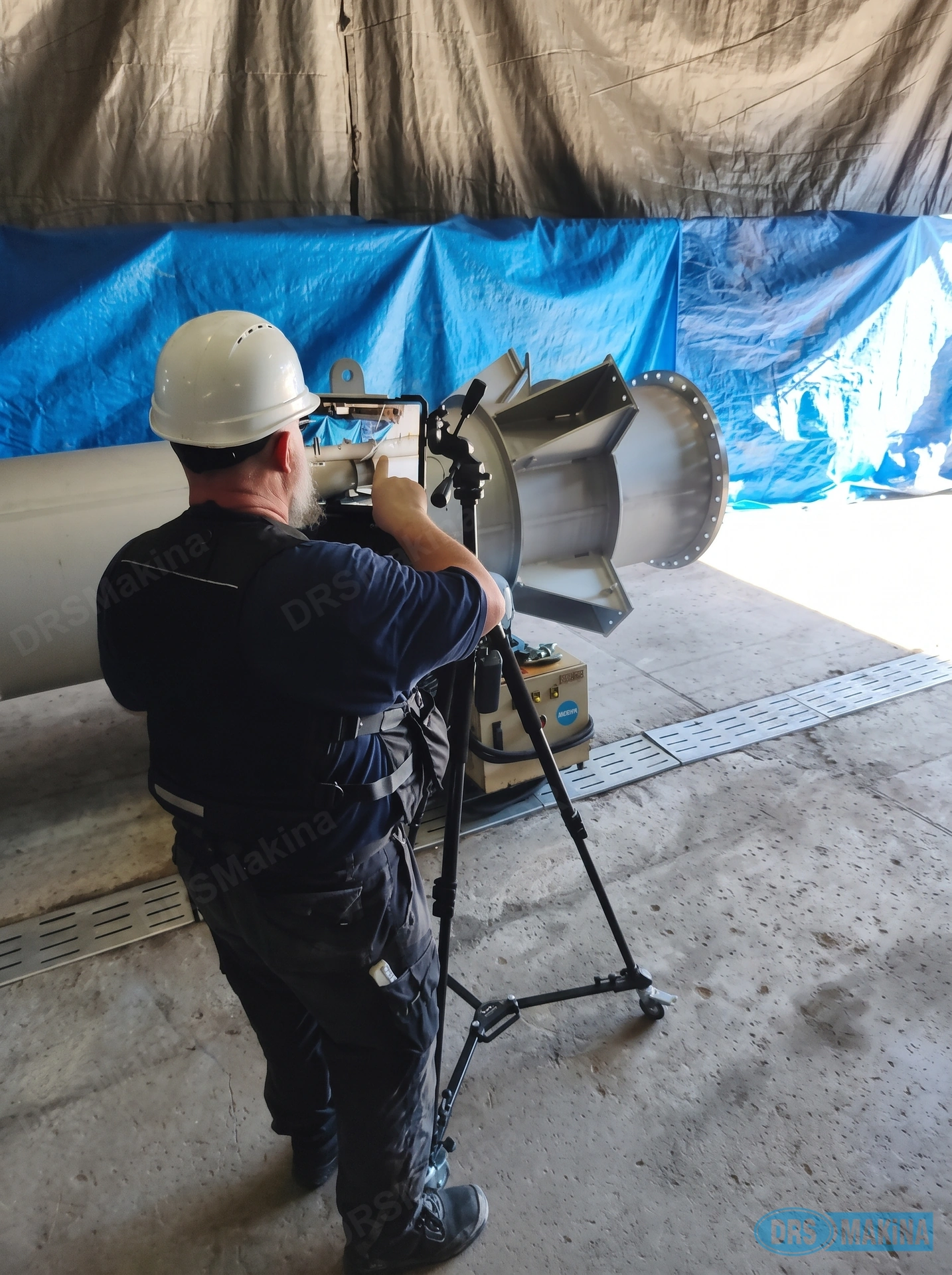
To document pressure equipment safety to the highest level, rigorous quality control steps were applied in accordance with the project technical specifications and the approved Inspection and Test Plan (ITP). In line with DRS Makina’s pressure vessel fabrication protocols, 10% Radiographic Testing (RT) was performed on the main weld seams based on a weld joint efficiency of 0.85, 100% Penetrant Testing (PT) on fillet and nozzle welds, and 100% Visual Testing (VT) on all joints by Level II certified inspectors. After passing all non-destructive examinations, the reboiler was hydrostatically tested in the horizontal position, reflecting its operating orientation, and its strength at design pressure was verified.
Following the mechanical and thermal operations, chemical acid pickling and passivation was applied to all internal and external stainless steel surfaces to restore their original corrosion resistance; as required by the process specification, the passive film was secured without mechanical grinding or polishing.
CE Marking, Technical Documentation and Seaworthy Packing
The equipment was CE marked under DRS Makina’s responsibility within the scope of the EU Pressure Equipment Directive (PED 2014/68/EU), and a comprehensive Manufacturer Data Book (MDB) was issued in English. This technical file contains 3.1 material certificates, WPS/PQR records, welder qualification certificates, non-destructive testing (NDT) reports, hydrostatic test charts, dimensional inspection reports and the CE declaration of conformity. The unit was secured on ISPM 15 certified timber saddles suitable for overseas shipment and harsh winter transport conditions, all nozzle openings were sealed with protective plastic blind covers, and the equipment was made ready for dispatch from our Dilovası facility under FCA delivery terms.